
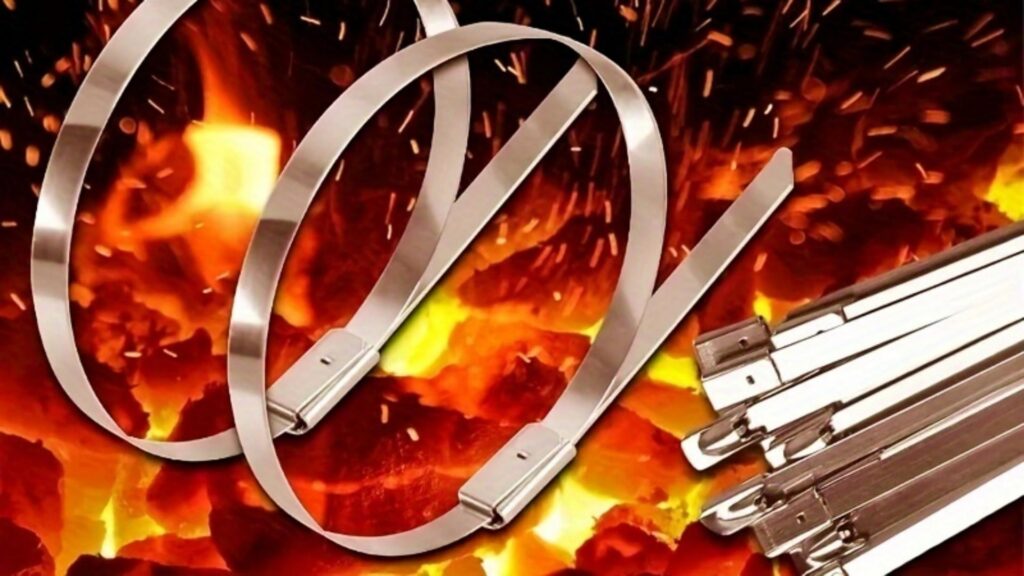
High heat is one of the fastest ways to cause cable tie failure. Standard nylon cable ties may soften, deform, or lose tensile strength when exposed to elevated temperatures, leading to loose bundles, damaged cables, or safety risks.
If you are working in environments such as engine compartments, industrial machinery, power plants, or near heat-generating equipment, choosing the right high-temperature cable ties is critical for long-term reliability and safety.
Table of Contents
ToggleUnderstanding Heat Limits of Cable Ties
Cable ties are typically rated by continuous operating temperature, not just short-term exposure. Exceeding this limit can cause material creep, brittleness, or sudden failure.
Standard nylon cable ties usually perform well only in moderate indoor conditions. Once temperatures rise above normal operating ranges, specialized materials are required.
Best Cable Tie Materials for High-Temperature Environments
Heat-Stabilized Nylon Cable Ties
Heat-stabilized nylon cable ties are made from modified Nylon 6/6 formulations that resist thermal aging.
They are suitable for environments with sustained temperatures up to 120°C, making them ideal for electrical panels, industrial equipment, and automotive interiors where heat is present but not extreme.
These ties offer a balance between cost, flexibility, and improved heat resistance compared to standard nylon cable ties.
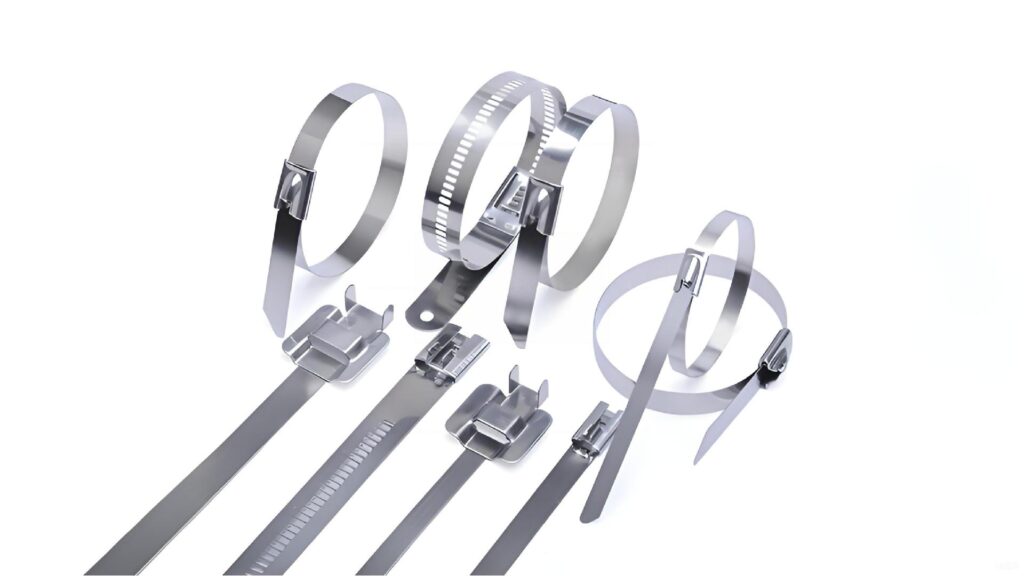
Stainless Steel Cable Ties
For extreme heat conditions, stainless steel cable ties are the most reliable solution.
They can withstand continuous temperatures of 500°C and above, depending on the grade, without softening or losing strength. Stainless steel cable ties are commonly used in:
- Engine compartments
- Exhaust systems
- Power generation facilities
- Chemical plants
They also provide excellent resistance to corrosion, vibration, and UV exposure, making them suitable for harsh industrial environments.
Coated Stainless Steel Cable Ties
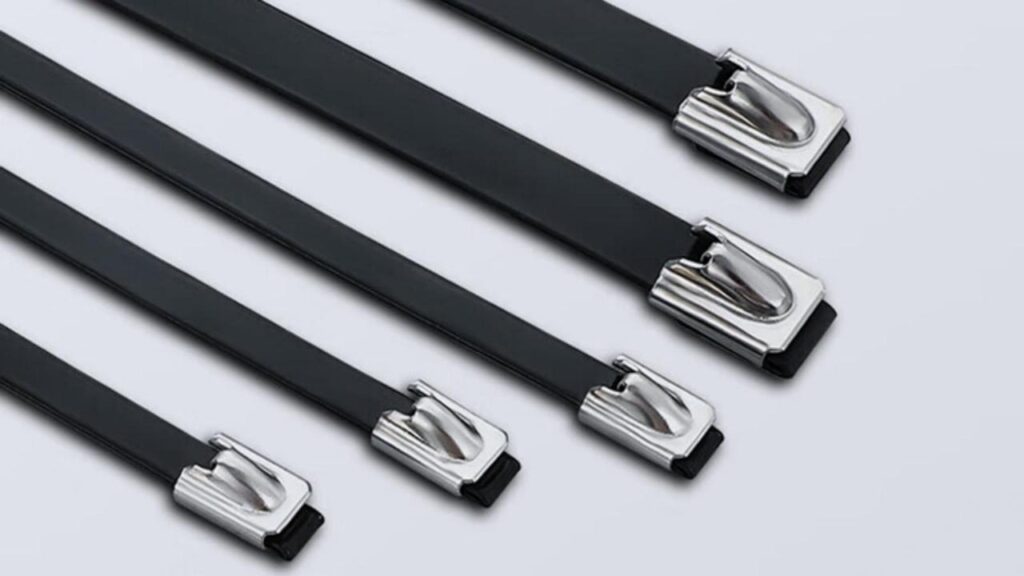
When heat resistance is required but cable protection is also important, coated stainless steel cable ties offer an effective solution.
The stainless steel core handles high temperatures, while the coating reduces abrasion and protects cable insulation. These ties are often used in electrical and communication installations exposed to both heat and vibration.
Comparing High-Temperature Cable Tie Options
Heat-stabilized nylon cable ties are best for moderately high temperatures where flexibility and ease of installation are important. Stainless steel cable ties outperform all other materials in extreme heat but require proper tools and handling.
If both temperature resistance and cable protection are required, coated stainless steel cable ties provide the best compromise.
How to Choose the Right High-Temperature Cable Tie
When selecting high-temperature cable ties, consider the following factors:
- Maximum continuous operating temperature
- Exposure duration (constant vs intermittent heat)
- Mechanical stress and vibration
- Indoor or outdoor use
- Cable insulation sensitivity
Choosing a cable tie rated well above your actual operating temperature ensures long-term performance and safety.
Conclusion
Selecting the right high-temperature cable ties depends on how much heat your application generates and how long the ties are exposed to it. Heat-stabilized nylon cable ties work well for moderately hot environments, while stainless steel cable ties are the safest choice for extreme temperatures.
Using the correct material ensures secure fastening, longer service life, and reduced maintenance—especially in demanding industrial and high-heat applications.
Frequently Asked Questions
Find answers to common questions below.
No. Standard nylon cable ties lose strength quickly at elevated temperatures and are not suitable for high-temperature environments.
They are the best option for extreme heat, but may be unnecessary for moderately high temperatures where heat-stabilized nylon cable ties are sufficient.
Yes, but the higher upfront cost prevents premature failure, downtime, and safety risks, making them more economical long term.