Insights & Articles

The Ultimate Guide to Choosing
the Right Cable Ties

Blog
UHCCY

Selection Guide for Cable Ties Used in Outdoor Solar Installation

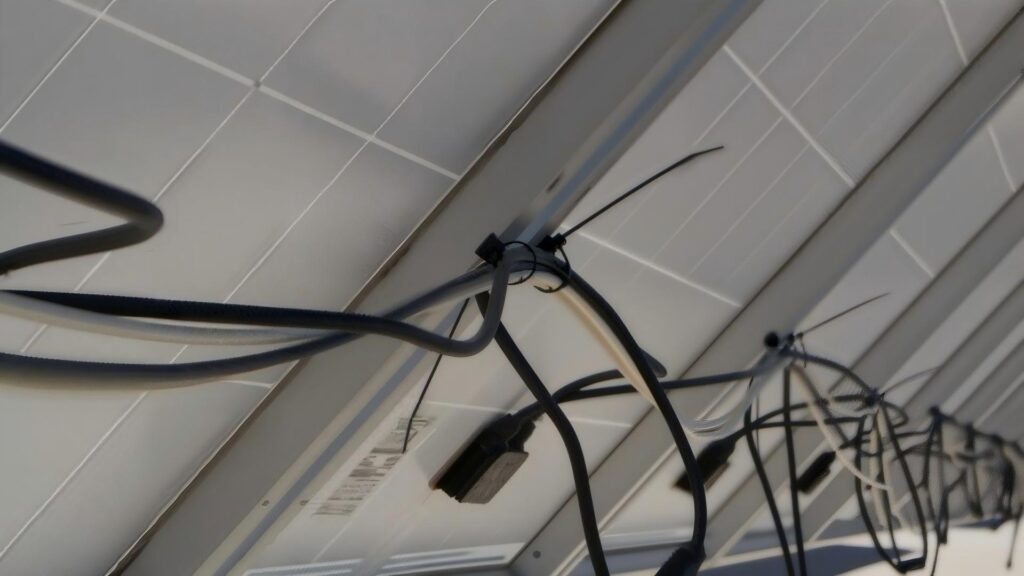
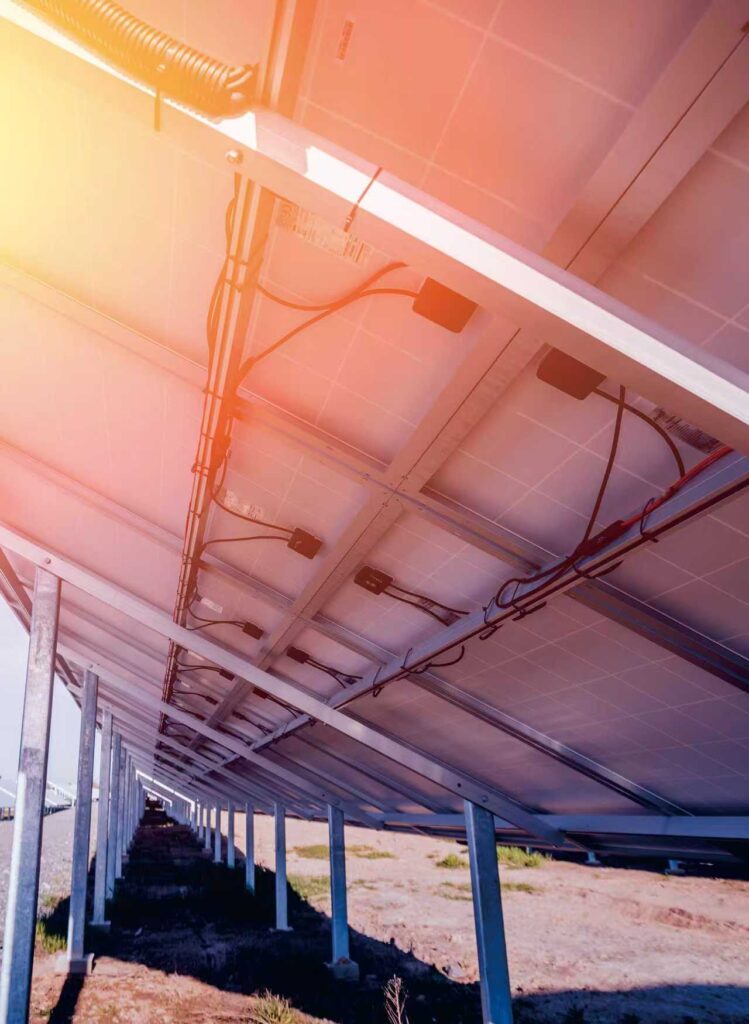
Outdoor solar installations operate in some of the most demanding environments for cable management. Long-term exposure to sunlight, temperature fluctuations, wind, moisture, and mechanical stress means that ordinary cable ties are often not suitable for photovoltaic (PV) systems. Selecting the right cable ties for outdoor solar installation is essential for system reliability, safety, and long service life. This guide explains how to choose the appropriate cable ties for outdoor solar projects, focusing on real installation conditions and practical selection criteria. Understanding Outdoor Solar Installation Environments Unlike indoor electrical systems, outdoor solar installations face continuous environmental stress. Common conditions include: Cable ties used in these environments must perform reliably for many years, often matching the lifespan of the solar panels themselves. UV Resistance: A Critical Requirement UV resistance is one of the most important factors when selecting cable ties for outdoor solar installation. Standard nylon cable ties without UV stabilization can become brittle, fade, and crack after prolonged sun exposure. For solar applications, cable ties should be made from UV-resistant nylon 6/6 or other materials designed for outdoor use. Black UV-stabilized cable ties are commonly used, but UV-resistant colored or green cable ties may also be suitable when properly specified. Using
coloured cable ties
Blog
UHCCY

Value and Application of Green and Coloured Cable Ties in Site Management

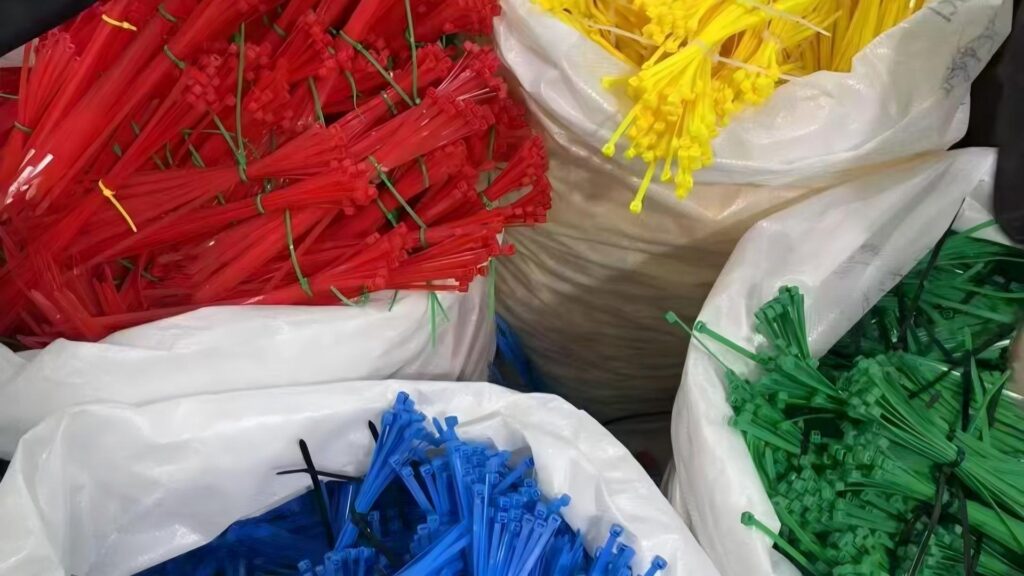
In modern site management, organization, safety, and efficiency are critical. Whether on construction sites, industrial plants, warehouses, or electrical installation projects, cable management plays a surprisingly important role. Among the many small tools used on-site, green and coloured cable ties stand out as simple but highly effective solutions for visual identification, organization, and workflow optimization. While standard black or natural cable ties are widely used, coloured cable ties offer additional value that goes far beyond basic bundling. This article explores the practical value and real-world applications of green and coloured cable ties in site management. Why Colour Matters in Site Management Site environments are often complex, busy, and fast-moving. Multiple teams may work simultaneously on electrical wiring, plumbing, HVAC systems, data cabling, or temporary installations. In such conditions, visual clarity becomes essential. Coloured cable ties provide instant visual identification, allowing workers and supervisors to quickly distinguish between different cable groups without reading labels or stopping work. This reduces confusion, speeds up inspections, and minimizes the risk of errors. Green cable ties, in particular, are frequently associated with environmental systems, grounding, safety lines, or renewable energy applications, making them especially useful on modern sites. Common Applications of Green Cable Ties Green

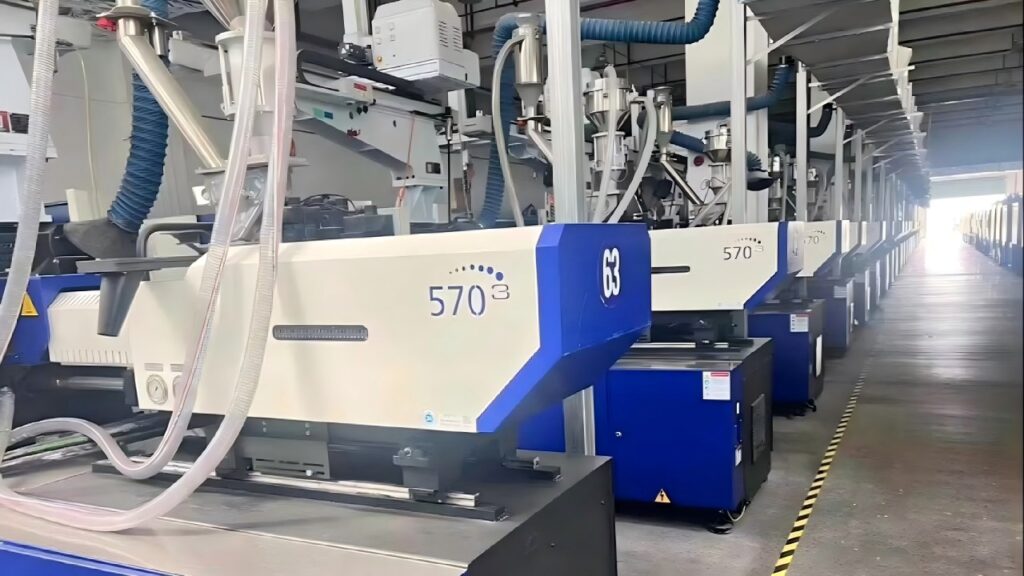
Chinese cable tie factory production line (injection molding machines)
Blog
UHCCY

How to Identify a High-Quality Cable Tie Manufacturer? Watch These Three Criteria

With countless cable tie suppliers available globally, identifying a truly high-quality cable tie manufacturer can be challenging. Product photos and low prices may look attractive, but they do not always reflect material quality, production capability, or long-term reliability. For distributors, project contractors, and industrial buyers, choosing the right manufacturer is critical to product performance, compliance, and customer satisfaction. This guide highlights three key criteria to help you evaluate and identify a high-quality cable tie manufacturer with confidence. Criterion 1: Material Quality and Production Consistency A reliable cable tie manufacturer starts with material control. Raw Material Selection High-quality cable ties are typically made from: Manufacturers using recycled or mixed-grade materials may offer lower prices, but this often leads to: A trustworthy manufacturer should be transparent about material sources and grades. Manufacturing Process Control Beyond materials, production consistency is equally important. Key indicators include: Inconsistent production often results in uneven thickness, weak locking heads, or variable strap strength—all signs of poor quality. Criterion 2: Quality Testing and Compliance Standards High-quality manufacturers validate their products through testing and standards, not just visual inspection. Mechanical and Performance Testing Professional manufacturers regularly test: Consistent test records demonstrate a manufacturer’s commitment to quality, not just output

cable tie sizes
Blog
UHCCY

From Length to Width: Detailed Specs of Cable Ties and Selection Tips

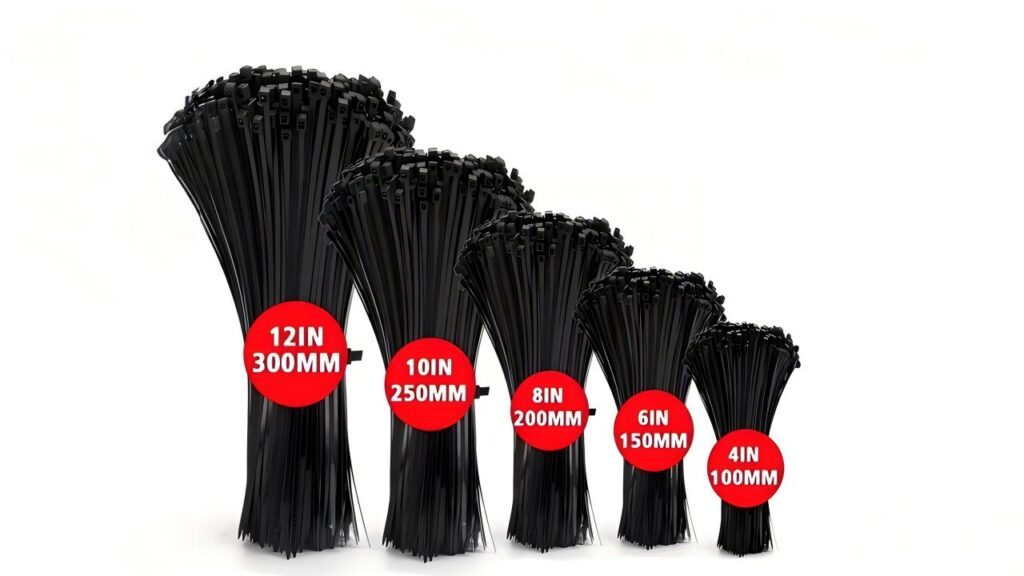
Cable ties may look simple, but their performance depends heavily on correct sizing and specification. Choosing the wrong length or width can result in insufficient holding strength, poor durability, or even cable damage. For electrical, industrial, and outdoor applications, understanding cable tie specifications is essential. This guide explains cable tie dimensions in detail—from length and width to tensile strength—and provides practical selection tips to help users choose the right cable ties for different applications. Understanding Cable Tie Length Cable tie length refers to the total length of the tie when laid flat, usually measured in millimeters or inches. Length determines the maximum bundle diameter a cable tie can secure. Common cable tie lengths include: How to choose the right length: Shorter ties are suitable for small wire bundles, while longer ties are used for thick cables, pipes, or structural fastening. Cable Tie Width and Its Importance Width is one of the most critical specifications of a cable tie, as it directly affects tensile strength. Typical cable tie widths: Why width matters: For industrial or outdoor use, wider cable ties are usually preferred. Tensile Strength Explained Tensile strength indicates the maximum pulling force a cable tie can withstand before breaking, typically

how to size an MCB for home PV systems
Blog
UHCCY

How to Size an MCB for Home PV Systems

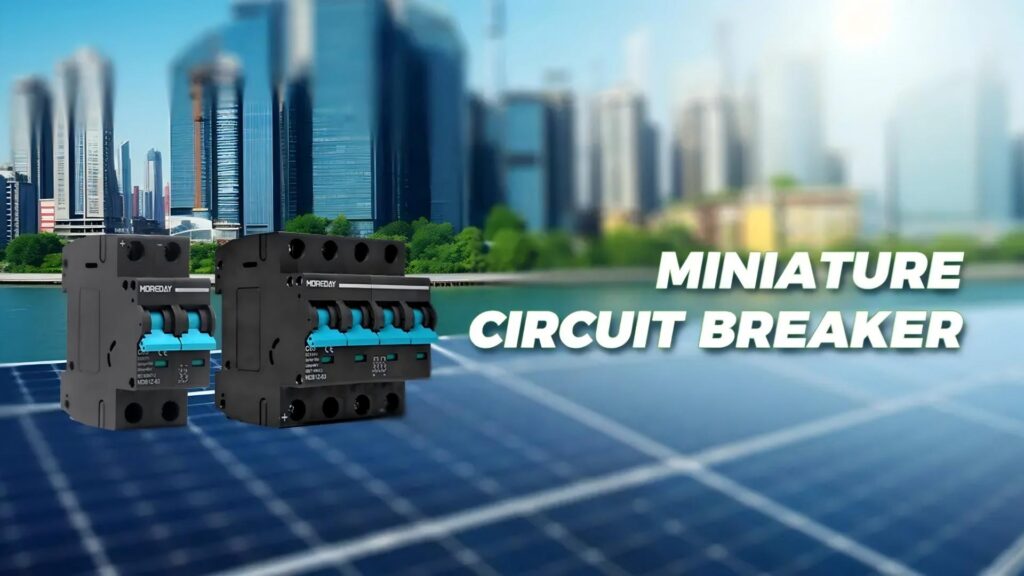
Correctly sizing an MCB (Miniature Circuit Breaker) is a critical step when designing or installing a home photovoltaic (PV) system. An undersized MCB may trip frequently, while an oversized one may fail to provide adequate protection, increasing the risk of cable damage or fire. This guide explains how to size an MCB for home PV systems, covering basic principles, calculation methods, and key safety considerations to help ensure reliable and compliant system operation. What Is an MCB and Why Is It Important in PV Systems? An MCB is a protective device designed to automatically disconnect a circuit in the event of overload or short circuit. In home PV systems, MCBs are commonly used on: The main purpose of an MCB is to protect cables and equipment, not the solar panels themselves. Key Factors That Affect MCB Sizing When selecting an MCB for a home PV system, several factors must be considered: Ignoring any of these factors may result in improper protection. Step 1: Determine the Maximum Circuit Current The first step in sizing an MCB is calculating the maximum current of the circuit. For DC Side (PV Array) The DC current is usually based on the short-circuit current (Isc) of

Cable ties used in electrical panels
Blog
UHCCY

What Is the Use of Cable Ties?

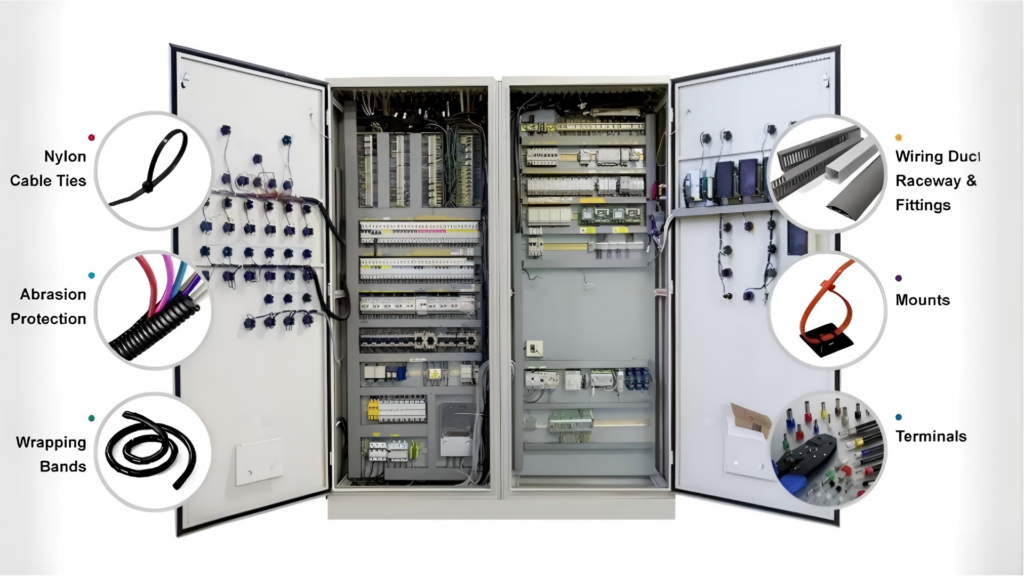
Cable ties, also known as zip ties, are simple fastening tools widely used to bundle, secure, and organize cables, wires, and other components. Despite their simple design, cable ties have become an essential accessory across many industries due to their versatility, ease of use, and low cost. From household organization to industrial installations, cable ties serve many practical purposes. This article explains the common uses of cable ties, where they are applied, and why they are so widely relied upon. Basic Purpose of Cable Ties The primary use of cable ties is to bundle and secure items together. Once tightened, a cable tie locks in place and holds objects firmly without loosening under normal conditions. Their one-way locking mechanism allows for: This makes cable ties an efficient solution for both temporary and long-term fastening needs. Cable Ties in Electrical and Wiring Applications One of the most common uses of cable ties is in electrical installations. Cable ties are used to: Proper cable management improves safety, airflow, and ease of maintenance, especially in commercial and industrial environments. Cable Ties for Home and Office Organization In homes and offices, cable ties help create tidy and functional spaces. Common household and office uses

UV-resistant cable ties application scenarios
Blog
UHCCY

What Are the Best Cable Ties for Industrial Applications?

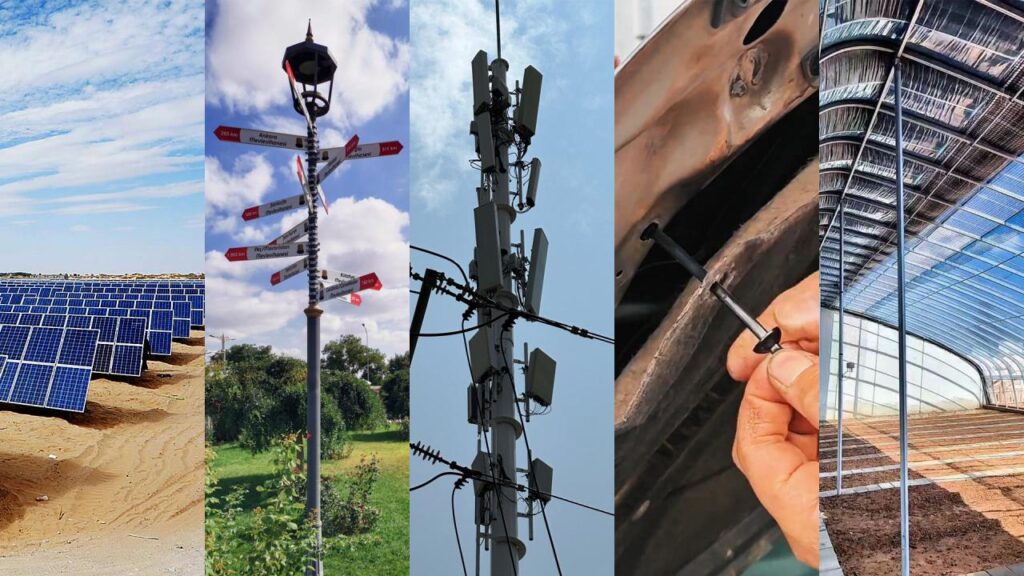
Industrial applications place far greater demands on cable ties than household or office use. In factories, power plants, construction sites, and infrastructure projects, cable ties must withstand harsh environments, heavy loads, extreme temperatures, and long-term exposure to chemicals or UV radiation. Choosing the best cable ties for industrial applications is critical for safety, reliability, and maintenance efficiency. This guide explores the most suitable types of cable ties for industrial use, the materials they are made from, and how to select the right option for different environments. What Makes a Cable Tie Suitable for Industrial Use? Not all cable ties are designed for industrial conditions. Industrial-grade cable ties typically offer: The right cable tie depends on the specific working environment and application requirements. Stainless Steel Cable Ties – The Heavy-Duty Standard Stainless steel cable ties are widely considered the best option for demanding industrial applications. Why stainless steel cable ties are ideal for industry: Common materials include 304 stainless steel for general industrial use and 316 stainless steel for marine, chemical, or coastal environments. Typical industrial applications: For added protection, coated stainless steel cable ties are often used to prevent abrasion of sensitive cables. Heavy-Duty Nylon Cable Ties for Industrial Environments

Solar Cable Ties
Blog
UHCCY

Solar Cable Ties – Reliable Cable Management for Solar Installations

Solar cable ties play a critical role in photovoltaic (PV) systems by securing and organizing cables in outdoor and high-exposure environments. Unlike standard cable ties used indoors, solar cable ties must withstand long-term sunlight, temperature fluctuations, moisture, and mechanical stress. Choosing the right solar cable ties helps improve system reliability, safety, and installation efficiency. This article explains what solar cable ties are, their key features, common materials, and how they are used in solar applications. What Are Solar Cable Ties? Solar cable ties are specially designed cable ties used in solar panel installations to fasten DC cables, grounding wires, and conduit systems to mounting structures. They are engineered for outdoor durability and long service life, often matching or exceeding the expected lifespan of solar panels. Compared to general-purpose cable ties, solar cable ties focus on: Long-1term stability UV resistance Weather durability Mechanical strength Key Features of Solar Cable Ties UV Resistance Solar installations are exposed to direct sunlight for years. Solar cable ties are typically UV-stabilized to prevent brittleness, cracking, and loss of tensile strength caused by prolonged UV exposure. Weather and Temperature Resistance Solar cable ties must perform reliably in hot summers, cold winters, and humid or rainy environments.

Powered by WordPress

Get a quote / Reorder / Service

We usually respond in a few hours

Get Free Sample Now!

Free standard sample can be provided for your evaluation according to your requirements.