Prevent cable ties from breaking in outdoor applications is a common challenge faced by installers, electricians, and maintenance teams. Exposure to sunlight, temperature fluctuations, moisture, and vibration can quickly weaken standard cable ties, leading to premature failure.
Understanding why cable ties break outdoors—and how to choose the right materials and installation methods—is the key to achieving long-term reliability in outdoor cable management.
Table of Contents
ToggleWhy Cable Ties Break in Outdoor Applications
Cable ties are typically designed for controlled indoor conditions. When used outdoors, they are exposed to multiple degradation factors at the same time.
Ultraviolet (UV) radiation breaks down the molecular structure of standard nylon, making it brittle. Heat causes material creep, while cold temperatures reduce flexibility. Moisture and vibration accelerate fatigue, especially on poorly installed ties.
Preventing failure starts with understanding these environmental stresses.
Choose the Right Material for Outdoor Use
UV-Resistant Nylon Cable Ties
Standard natural nylon cable ties degrade quickly in sunlight. UV-resistant nylon cable ties contain stabilizers that slow down UV damage.
Black nylon cable ties are commonly UV-stabilized and are suitable for general outdoor cable management where temperatures remain within normal operating ranges.
This is the minimum requirement if you want to prevent cable ties from breaking outdoors.
Heat-Stabilized Nylon Cable Ties
In areas exposed to higher surface temperatures—such as metal poles, rooftops, or solar structures—heat-stabilized nylon cable ties perform better than standard UV-rated ties.
They resist thermal aging and maintain tensile strength longer under continuous heat.
Stainless Steel Cable Ties
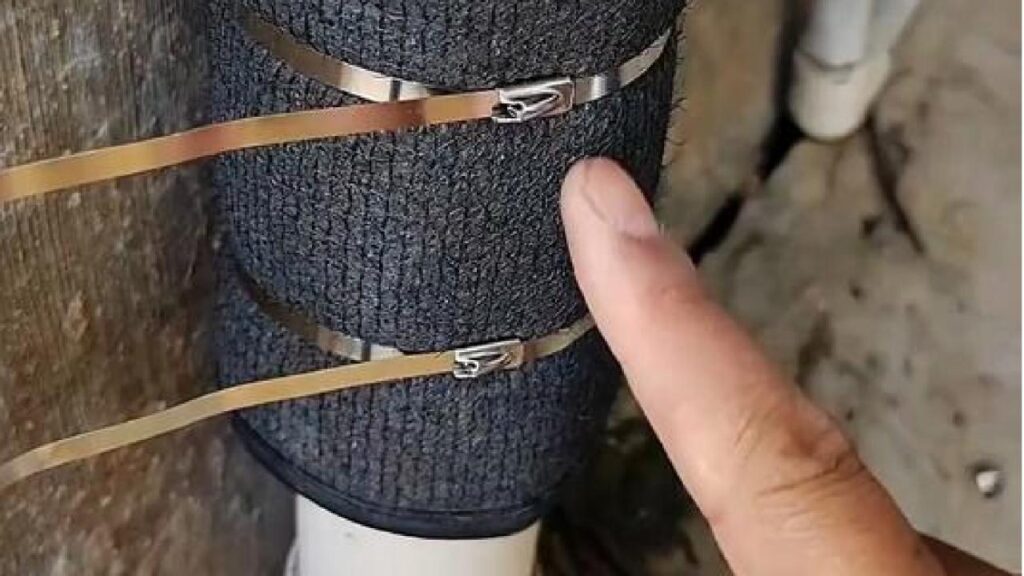
For harsh outdoor environments, stainless steel cable ties provide the highest reliability.
They are unaffected by UV radiation, tolerate extreme temperatures, and resist corrosion. Stainless steel cable ties are ideal for long-term outdoor installations, coastal areas, industrial sites, and high-vibration environments.
If failure prevention is critical, metal cable ties are the most dependable option.
Avoid Over-Tightening During Installation
Over-tightening is one of the most common installation mistakes. Excessive tension damages the locking mechanism and stresses the material, especially with nylon cable ties.
Cable ties should secure cables firmly without compressing insulation or deforming the bundle. Using controlled tension—rather than pulling as hard as possible—helps prevent cracking and early failure.
For stainless steel cable ties, use a proper tensioning tool to achieve consistent results.
Account for Temperature Expansion and Movement
Outdoor cables expand and contract as temperatures change. If cable ties are installed too tightly with no allowance for movement, repeated thermal cycles cause stress fractures.
Leaving slight slack and spacing cable ties correctly allows natural movement and significantly reduces fatigue-related breakage.
Protect Cable Ties from Sharp Edges
Sharp metal edges on racks, poles, or enclosures can cut into cable ties over time.
Use edge protection, grommets, or mounting bases where possible. For sensitive cables, coated stainless steel cable ties reduce abrasion and protect insulation.
Mechanical protection is an often-overlooked step in preventing outdoor cable tie failure.
Inspect and Replace Cable Ties Regularly
Even the best outdoor-rated cable ties are not maintenance-free.
Look for early signs of failure:
Discoloration or chalky surface
Cracking or brittleness
Reduced flexibility
Replacing aging ties before they break prevents cable damage and downtime.
Conclusion
To prevent cable ties from breaking in outdoor applications, focus on three key factors: material selection, proper installation, and environmental protection. UV-resistant or heat-stabilized nylon cable ties work for moderate conditions, while stainless steel cable ties offer the best long-term performance in harsh environments.
Choosing the right cable tie upfront reduces maintenance, improves safety, and ensures reliable outdoor cable management.
Frequently Asked Questions
Find answers to common questions below.
This is usually caused by UV degradation in standard nylon cable ties that are not UV-stabilized.
Most black nylon cable ties are UV-stabilized, but not all. Always verify UV resistance specifications from the manufacturer.
Use stainless steel cable ties for long-term outdoor installations, combined with proper installation techniques.