
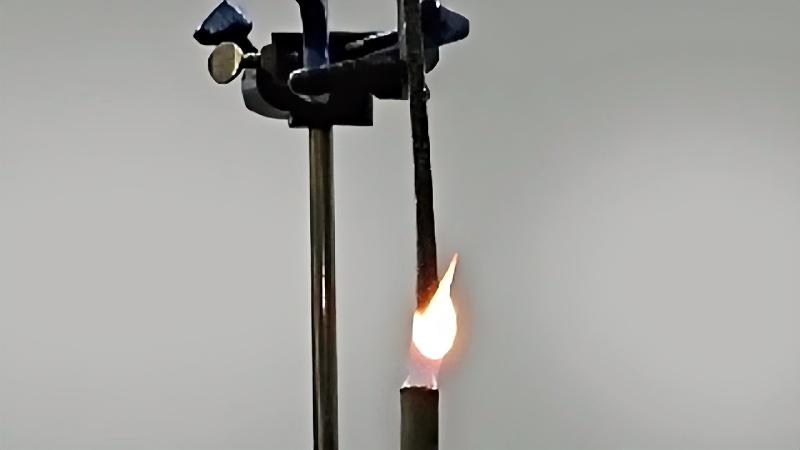
When selecting electrical components, cable management products, or plastic parts used in power distribution and control systems, fire safety is never optional. One of the most widely recognized standards used to evaluate flame resistance of plastic materials is UL 94, and among its classifications, UL 94 V-0 represents a high level of flame retardancy.
This guide explains what UL 94 V-0 means, how it is tested, and why it is important for electrical and industrial applications.
Table of Contents
ToggleWhat Is UL 94?
UL 94 is a plastics flammability standard published by Underwriters Laboratories (UL). It is used globally to classify how plastic materials behave when exposed to an open flame.
The standard evaluates:
How quickly a material ignites
Whether it self-extinguishes after flame removal
Whether burning material drips and ignites other objects
UL 94 ratings are commonly required for products used in:
Electrical enclosures
Cable ties and cable management systems
Circuit breakers and distribution boxes
Consumer and industrial electrical equipment
Understanding the UL 94 V Rating System
Within UL 94, V ratings apply to materials tested in a vertical orientation, which is more demanding and closer to real-world conditions.
The three main vertical ratings are:
V-0 (highest flame retardancy)
V-1
Among them, UL 94 V-0 is the most stringent and preferred rating for safety-critical applications.
What Does UL 94 V0 Mean?
A material rated UL 94 V-0 meets all of the following requirements during testing:
Each flame application self-extinguishes within 10 seconds
The total flaming time for multiple applications does not exceed 50 seconds
No flaming drips are allowed that could ignite cotton placed below the test specimen
The material does not continue burning or glowing after flame removal
In simple terms, V-0 materials stop burning quickly and do not spread fire, even when exposed to direct flame.
Why UL 94 V0 Is Important in Electrical Applications
In electrical systems, plastics are often used close to:
Live conductors
Heat-generating components
Enclosed or poorly ventilated spaces
If a fault, overload, or short circuit occurs, non–flame-retardant materials can ignite and allow fire to spread rapidly.
Using UL 94 V0 rated materials helps to:
Reduce the risk of fire propagation
Limit damage caused by electrical faults
Improve overall system safety and reliability
Meet regulatory and customer compliance requirements
For this reason, UL 94 V-0 is commonly specified in power distribution equipment, control cabinets, photovoltaic systems, and industrial installations.
Typical Products That Use UL 94 V0 Materials
UL 94 V-0 plastics are widely used in products such as:
Nylon cable ties for electrical installations
Cable glands and wiring accessories
Electrical enclosures and junction boxes
Circuit breaker housings
Terminal blocks and insulation components
In many markets, especially Europe and North America, V-0 is often the minimum acceptable flame rating for professional electrical products.
UL 94 V0 vs Other Flame Ratings
It is important to note that UL 94 V-0 is not the same as fireproof. No plastic is completely fireproof, but V-0 materials are designed to limit flame spread and self-extinguish rapidly.
Compared to lower ratings:
V-1 allows longer burning times
V-2 allows flaming drips that may ignite other materials
For applications where safety and compliance matter, V-0 is strongly recommended.
UL 94 V-0 and Compliance Considerations
UL 94 is often referenced alongside other certifications, such as:
CE
RoHS
IEC or EN standards
While UL 94 itself focuses on material flammability, it plays a critical role in overall product compliance, especially for components used inside certified electrical assemblies.
Manufacturers and buyers should ensure that:
The flame rating applies to the specific material grade
Test reports come from recognized laboratories
The rating is suitable for the intended operating environment
Final Thoughts
UL 94 V-0 flame retardant rating is a key indicator of safety and quality for plastic materials used in electrical and industrial products. It demonstrates that the material can withstand brief exposure to flame without continuing to burn or spreading fire.
When designing or sourcing electrical components, choosing UL 94 V-0 rated materials is not just about meeting standards—it is about protecting equipment, property, and people.