
With countless cable tie suppliers available globally, identifying a truly high-quality cable tie manufacturer can be challenging. Product photos and low prices may look attractive, but they do not always reflect material quality, production capability, or long-term reliability.
For distributors, project contractors, and industrial buyers, choosing the right manufacturer is critical to product performance, compliance, and customer satisfaction. This guide highlights three key criteria to help you evaluate and identify a high-quality cable tie manufacturer with confidence.
Criterion 1: Material Quality and Production Consistency
A reliable cable tie manufacturer starts with material control.
Raw Material Selection
High-quality cable ties are typically made from:
- Virgin nylon (PA66) for consistent strength and flexibility
- Certified stainless steel (304 or 316) for metal cable ties
Manufacturers using recycled or mixed-grade materials may offer lower prices, but this often leads to:
- Reduced tensile strength
- Inconsistent locking performance
- Premature aging or brittleness
A trustworthy manufacturer should be transparent about material sources and grades.
Manufacturing Process Control
Beyond materials, production consistency is equally important.
Key indicators include:
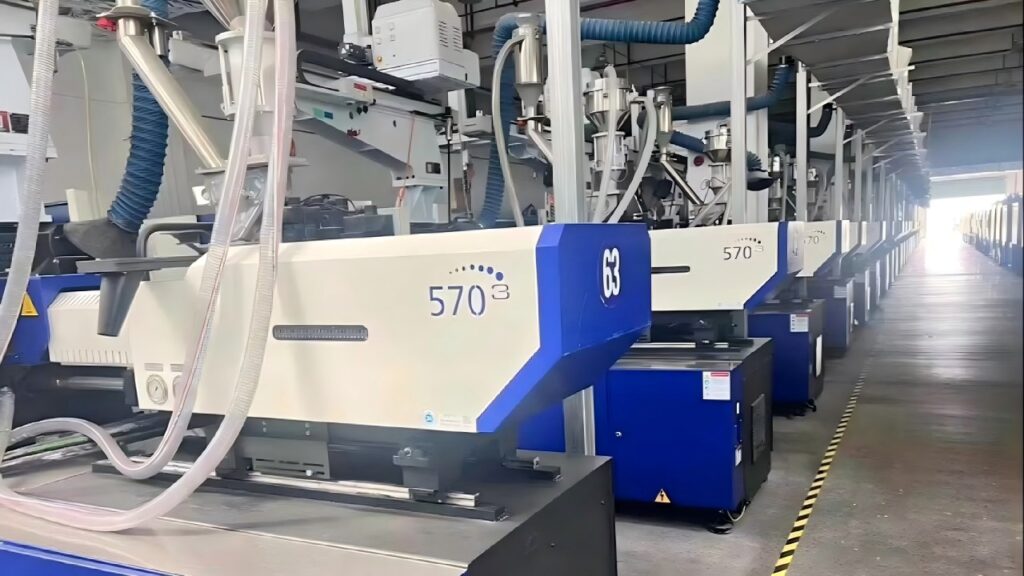
- In-house injection molding for nylon cable ties
- Stable mold precision and cavity control
- Automated or semi-automated production lines
- Controlled cooling and forming processes
Inconsistent production often results in uneven thickness, weak locking heads, or variable strap strength—all signs of poor quality.
Criterion 2: Quality Testing and Compliance Standards
High-quality manufacturers validate their products through testing and standards, not just visual inspection.
Mechanical and Performance Testing
Professional manufacturers regularly test:
- Tensile strength
- Loop tensile performance
- Locking mechanism reliability
- Temperature resistance
- Aging and UV resistance (for outdoor cable ties)
Consistent test records demonstrate a manufacturer’s commitment to quality, not just output volume.
Certifications and Compliance
While certifications alone do not guarantee quality, they provide a baseline of reliability.
Common indicators include:
- ISO quality management systems
- Material compliance (e.g., RoHS, REACH)
- Flame-retardant ratings where applicable
- Industry or regional standards alignment
A high-quality cable tie manufacturer understands regulatory requirements and can support documentation when needed.
Criterion 3: Engineering Capability and Application Knowledge
A strong manufacturer does more than produce cable ties—it understands how they are used.
Product Range and Application Coverage
Experienced manufacturers usually offer:
- Multiple sizes and widths
- Different material options (nylon, UV-resistant, stainless steel)
- Specialty cable ties for industrial, solar, automotive, or outdoor use
A limited or generic product range may indicate a trading company rather than a true manufacturer.
Technical Support and Selection Guidance
High-quality manufacturers can:
- Recommend suitable cable ties for specific applications
- Explain differences in size, tensile strength, and material
- Warn against improper usage scenarios
This level of guidance reduces product failure and long-term costs for buyers.
Additional Signs of a Reliable Cable Tie Manufacturer
Additional Signs of a Reliable Cable Tie Manufacturer
Beyond the three core criteria, additional indicators include:
- Stable lead times and production capacity
- Clear product specifications and datasheets
- Consistent packaging and labeling
- Transparent communication and documentation
- Willingness to provide samples for evaluation
Manufacturers who focus on long-term partnerships tend to invest more in quality and service.
Common Red Flags to Watch Out For
When evaluating cable tie manufacturers, be cautious of:
- Unclear material descriptions
- Missing or vague specifications
- No test data or quality records
- Extreme price fluctuations
- Limited understanding of application requirements
These warning signs often indicate unstable quality or limited manufacturing control.
Why Manufacturer Quality Matters
Low-quality cable ties may result in:
- Frequent breakage
- Cable damage
- Safety risks
- Increased maintenance costs
- Damage to your brand reputation
Choosing a high-quality cable tie manufacturer reduces risk and ensures consistent performance across applications.
Conclusion
Identifying a high-quality cable tie manufacturer requires looking beyond price and appearance. By focusing on material quality and production consistency, testing and compliance, and engineering and application knowledge, buyers can make informed decisions and build reliable supply partnerships.
A manufacturer that meets these three criteria is far more likely to deliver consistent quality, technical reliability, and long-term value.