
- All Posts
- Blog
- Guide
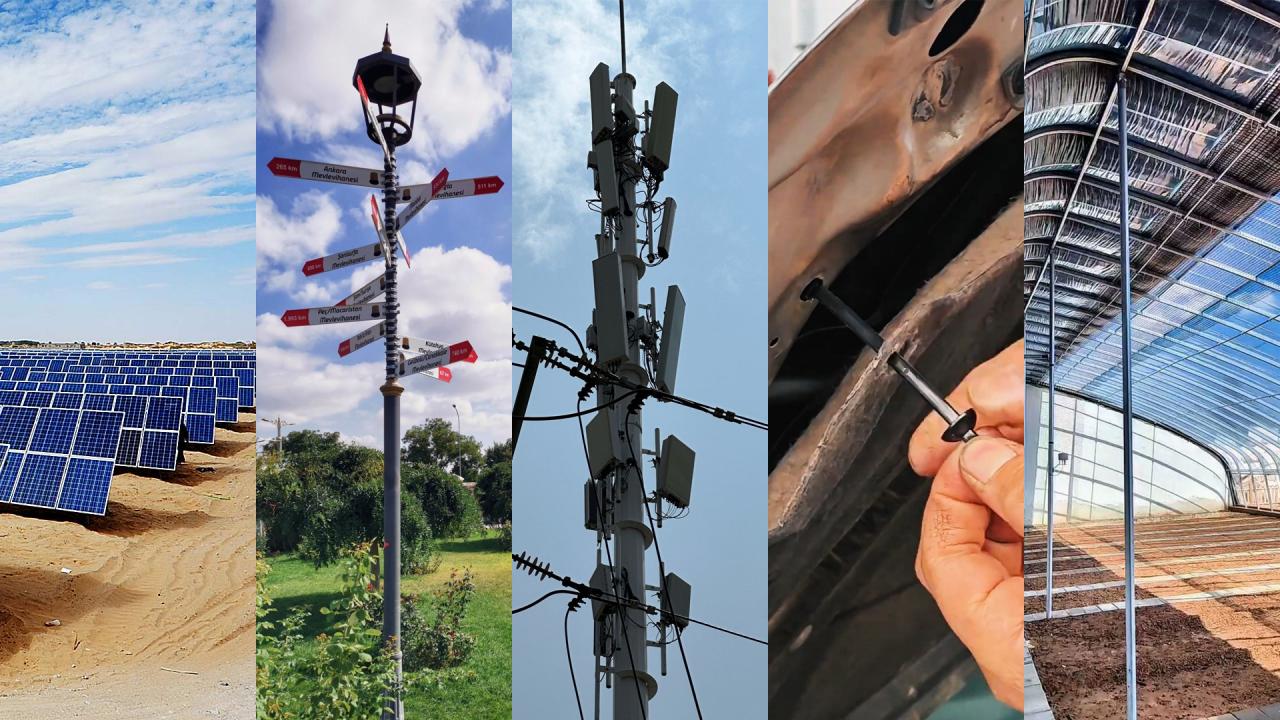
Cable tie applications extend far beyond basic cable bundling, and many users are surprised by how versatile these small tools can be. From quick emergency fixes to lightweight structural support, cable ties solve problems across home projects, industrial installations, and outdoor environments. In this article, we explore five creative and practical cable tie applications that show why these inexpensive fasteners deserve a place in every toolbox. A temporary repair tool that saves time in emergencies One of the most overlooked cable tie applications is emergency repair. In situations where a component fails suddenly, cable ties can act as rapid temporary restraints. For example, HVAC technicians sometimes use heat-stabilized cable ties to hold loose insulation in place until a permanent fix is made. Automotive users often rely on heavy-duty ties to secure hoses or wiring harnesses on the road. Even in construction, a broken latch on a tool box or a loose panel can be stabilized within seconds using nothing more than a properly rated tie. This isn’t about replacing proper repairs—it’s about preventing downtime. A $0.05 tie can sometimes buy you the crucial hours needed before a full repair can be completed. Lightweight structural support for installations Cable ties can provide structural support in lightweight installations far beyond cable routing. In event setups, organizers frequently use UV-resistant ties to secure banners, LED strips, and temporary conduit to truss frames. The ties hold strong throughout the event, withstand sunlight, and can be removed quickly afterward. In agriculture, growers often use soft-grip or wide-body variants to support plant stems without damaging them. These ties offer better load distribution compared with thin wires or twist ties, which can cut into the plant over time. Even solar installers use weather-resistant cable ties to keep sensor cables properly elevated, preventing abrasion and ensuring long-term reliability....
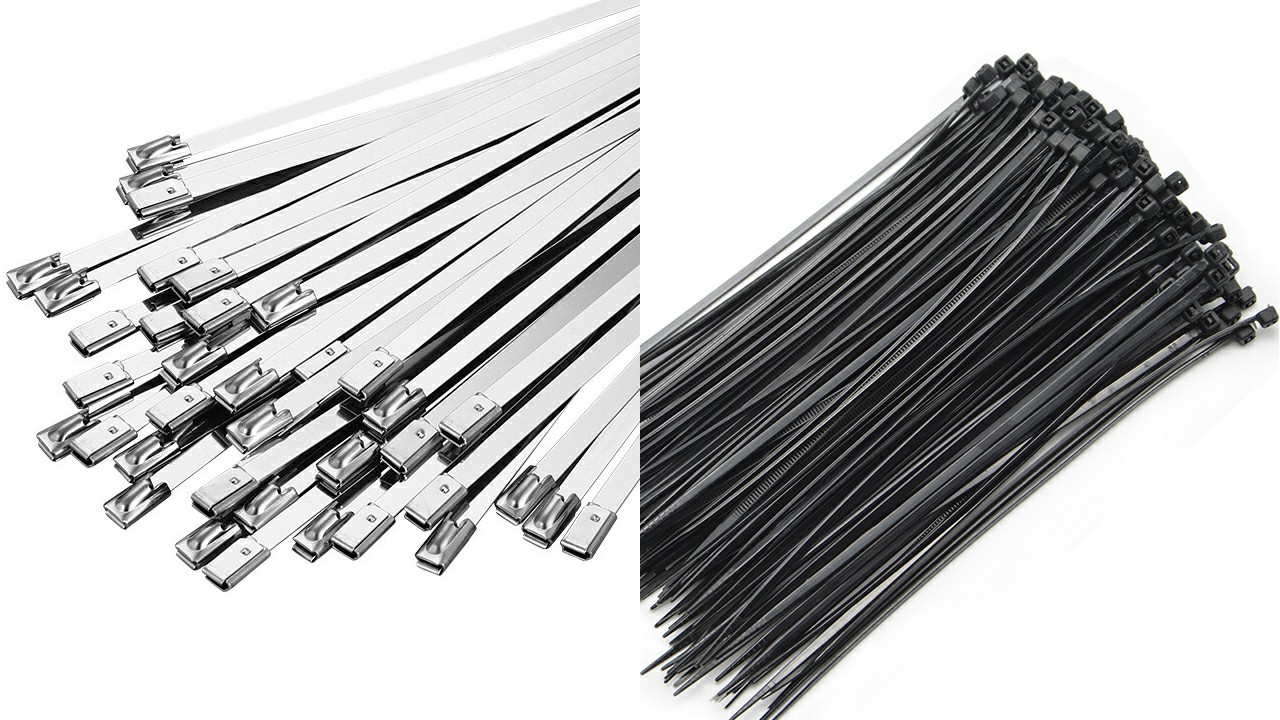
Choosing between metal cable ties and nylon cable ties is often treated as a small decision in a much larger project. But in practice, this choice determines installation lifespan, maintenance frequency, safety performance, and even compliance with industry standards. Many failures in outdoor electrical installations, solar arrays, automotive wiring, and industrial equipment can be traced back to the wrong cable tie material rather than the cable itself.This article summarizes the practical differences, buying considerations, and real engineering insights that manufacturers and installers use—but which most online guides fail to explain clearly. Understanding the Nature of Both Materials Metal cable ties and nylon cable ties share the same purpose—securing cables and components—but they behave completely differently in real environments. Nylon is a flexible, lightweight engineering plastic designed for indoor and general-purpose routing. Metal ties, usually made from 304 or 316 stainless steel, are built for tension, heat, chemicals, vibration, and environmental stress. What this means in practice is simple: nylon suits convenience; metal suits survival. But that oversimplifies the choice. The real decision depends on how long the installation must last, what it will endure, and how critical failure would be. How Environment Changes Performance Most installers think of cable ties only in terms of size or tensile strength. However, the working environment has a bigger impact than strength rating.Nylon behaves predictably indoors—quiet, dry, and shielded from UV. But expose it to sunlight or heat, and you will quickly discover its weaknesses: brittleness, fading, or sudden fracture without warning. This is why solar farms often replace nylon ties within a year even if UV-stabilized versions are used. Metal cable ties take the opposite approach. They don’t care about UV, temperature, salt, or most chemicals. They are chosen for environments where the installer cannot afford to return and fix problems—marine equipment, rooftop...
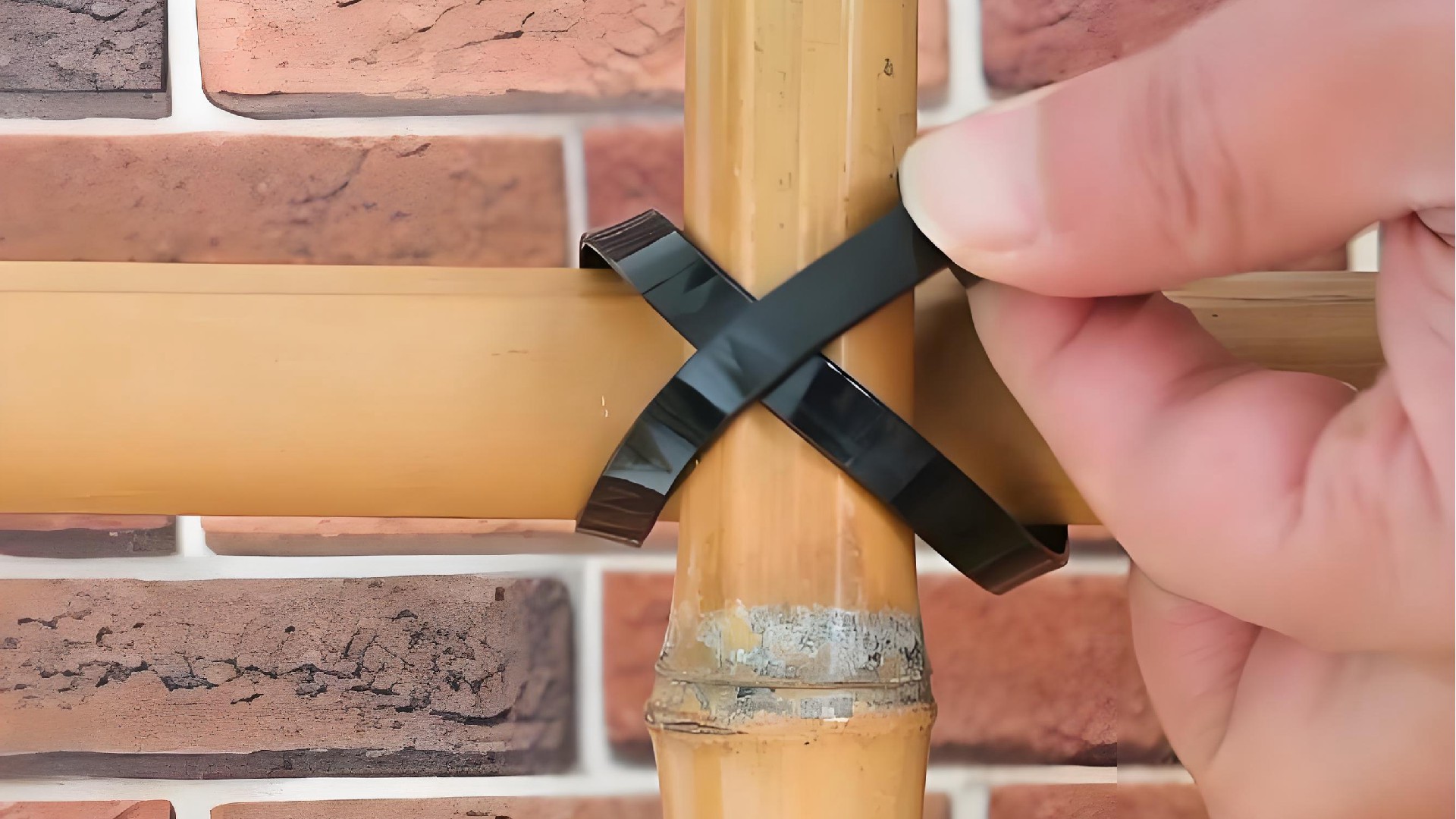
Outdoor cable management faces challenges far beyond those found indoors. Heat, ultraviolet radiation, humidity, temperature fluctuation, and long-term weather exposure can quickly degrade standard nylon ties, leading to brittleness, cracking, and unexpected failure. UV resistant cable ties solve this issue by incorporating stabilizers and additives engineered to withstand sunlight’s damaging effects. These ties are widely used in solar PV installations, telecommunications towers, outdoor lighting systems, automotive wiring, agriculture, and industrial environments that demand long-term reliability. Although UV resistant cable ties may look similar to standard nylon ties, their performance and longevity differ dramatically. This guide consolidates widely accepted industry knowledge, expands on engineering data, summarizes global best practices, and includes additional insights based on real-world application. The goal is to help buyers choose safer, more durable, and more cost-effective UV resistant cable ties for any outdoor project. Understanding UV Resistance in Cable Ties Ultraviolet radiation degrades polymers through a process known as photodegradation. When exposed to sunlight, standard nylon 6/6 begins to lose flexibility, moisture balance, and structural integrity. Over time, this results in embrittlement—causing ties to snap with minimal force. Depending on the climate, standard nylon cable ties used outdoors may fail in as little as a few months. UV resistant cable ties address this by incorporating carbon black or specially formulated UV stabilizers. Carbon black is considered the most effective UV absorber, acting like a shield that transforms harmful radiation into harmless thermal energy. This is why UV resistant cable ties are usually black rather than transparent or milky white. The carbon content improves the tie’s molecular stability and allows it to withstand years of exposure. While some manufacturers apply black coloration without adequate UV stabilization, professional UV resistant ties undergo weathering tests such as: UV exposure per ASTM G154 Outdoor accelerated aging per ASTM D4329 UL 62275...