

- All Posts
- Blog
- Guide
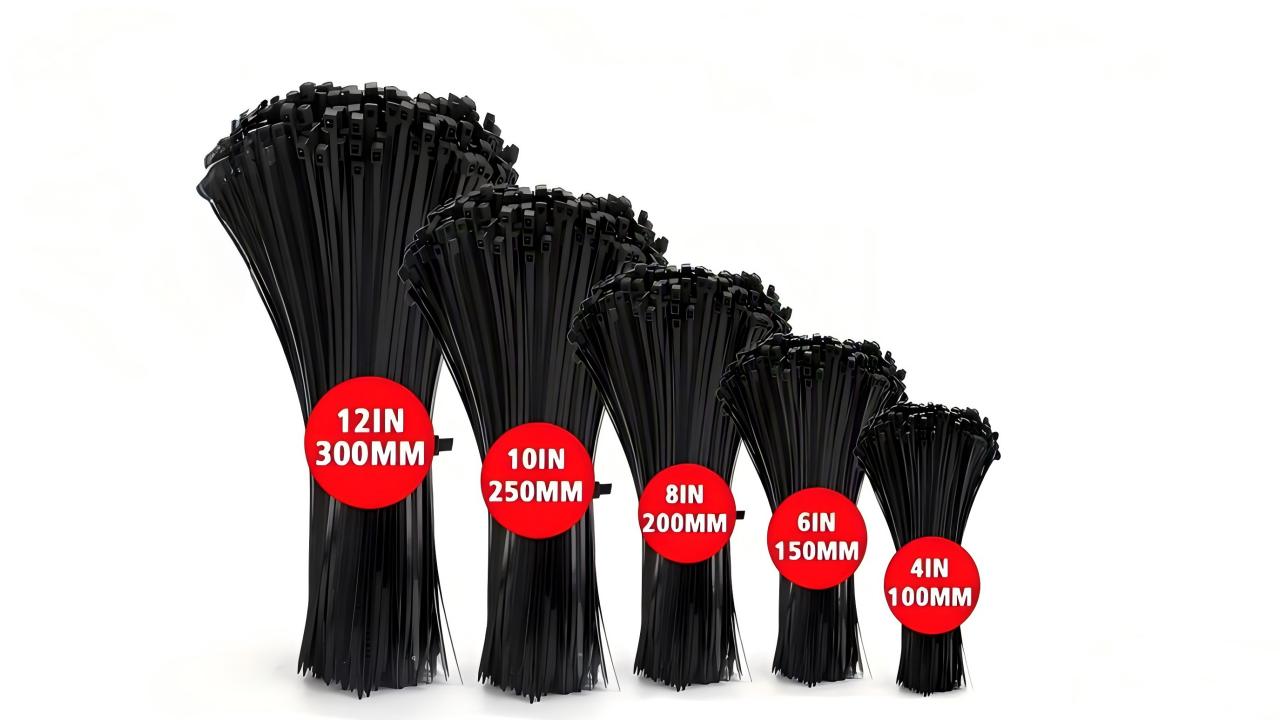
Cable ties may look simple, but their performance depends heavily on correct sizing and specification. Choosing the wrong length or width can result in insufficient holding strength, poor durability, or even cable damage. For electrical, industrial, and outdoor applications, understanding cable tie specifications is essential. This guide explains cable tie dimensions in detail—from length and width to tensile strength—and provides practical selection tips to help users choose the right cable ties for different applications. Understanding Cable Tie Length Cable tie length refers to the total length of the tie when laid flat, usually measured in millimeters or inches. Length determines the maximum bundle diameter a cable tie can secure. Common cable tie lengths include: How to choose the right length: Shorter ties are suitable for small wire bundles, while longer ties are used for thick cables, pipes, or structural fastening. Cable Tie Width and Its Importance Width is one of the most critical specifications of a cable tie, as it directly affects tensile strength. Typical cable tie widths: Why width matters: For industrial or outdoor use, wider cable ties are usually preferred. Tensile Strength Explained Tensile strength indicates the maximum pulling force a cable tie can withstand before breaking, typically measured in newtons (N) or kilograms-force (kgf). As a general rule: For example: Always select a tensile strength higher than the expected load to maintain safety margins. Thickness and Locking Head Design Although less visible, thickness and locking head structure also influence performance. Key considerations include: High-quality cable ties maintain consistent thickness along the strap and precise tooth engagement in the locking mechanism. Material Specifications and Their Impact Cable tie material affects size selection and performance. Material choice should align with both size and environmental requirements. Color and Special Specification Options Color is not just aesthetic—it can be functional. Common...
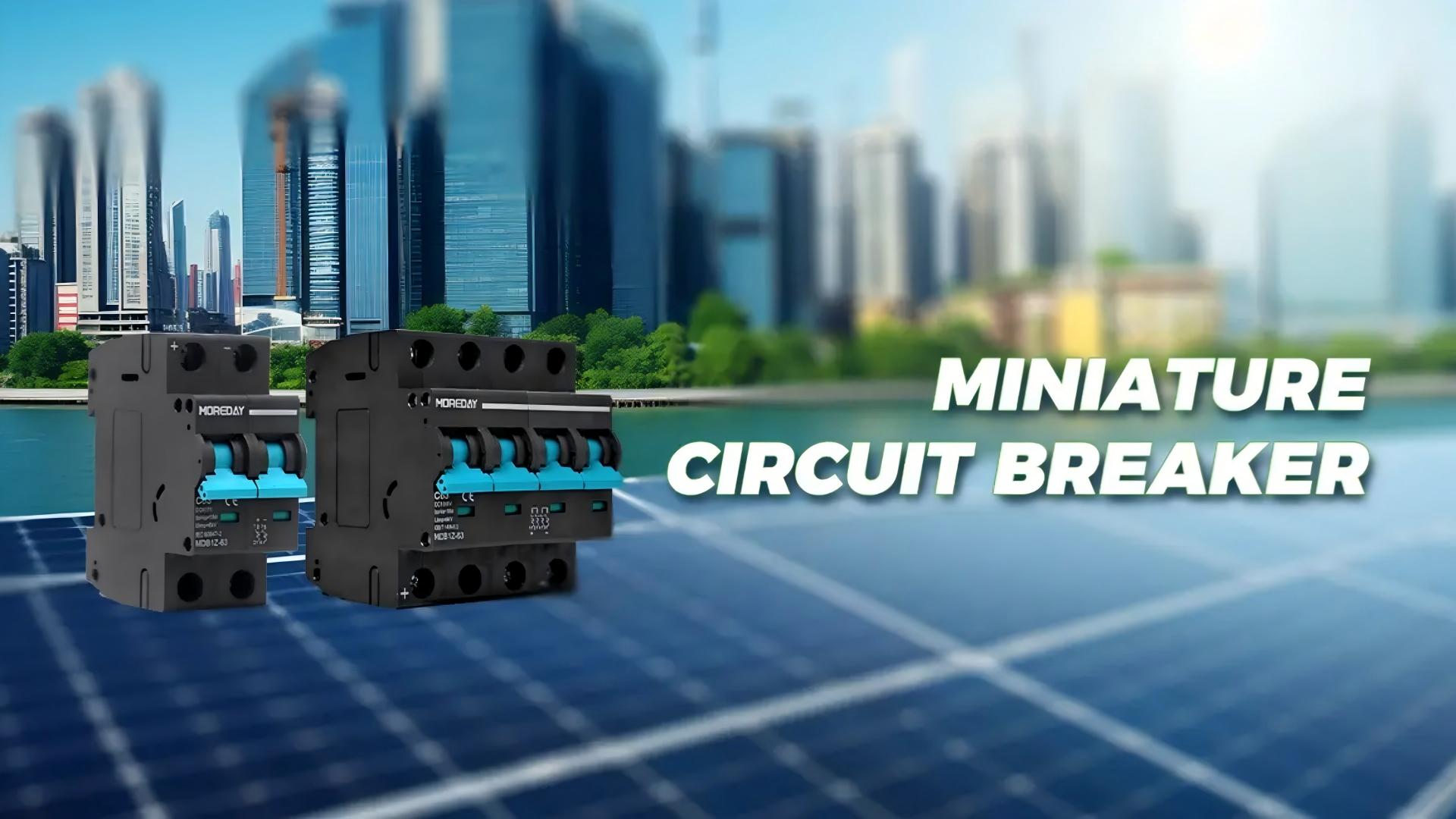
Correctly sizing an MCB (Miniature Circuit Breaker) is a critical step when designing or installing a home photovoltaic (PV) system. An undersized MCB may trip frequently, while an oversized one may fail to provide adequate protection, increasing the risk of cable damage or fire. This guide explains how to size an MCB for home PV systems, covering basic principles, calculation methods, and key safety considerations to help ensure reliable and compliant system operation. What Is an MCB and Why Is It Important in PV Systems? An MCB is a protective device designed to automatically disconnect a circuit in the event of overload or short circuit. In home PV systems, MCBs are commonly used on: The main purpose of an MCB is to protect cables and equipment, not the solar panels themselves. Key Factors That Affect MCB Sizing When selecting an MCB for a home PV system, several factors must be considered: Ignoring any of these factors may result in improper protection. Step 1: Determine the Maximum Circuit Current The first step in sizing an MCB is calculating the maximum current of the circuit. For DC Side (PV Array) The DC current is usually based on the short-circuit current (Isc) of the solar panels. A common design rule is: MCB current rating ≥ 1.25 × Isc This accounts for continuous operation and safety margins under high irradiance conditions. Example:If the PV string Isc is 10 A, the minimum MCB rating should be: For AC Side (Inverter Output) On the AC side, the current is calculated based on inverter power output. Formula: Current (A) = Power (W) ÷ Voltage (V) Example:For a 5 kW single-phase inverter at 230 V: Applying a safety margin: Step 2: Match the MCB to the Cable Size The MCB must always protect the cable. This means: MCB...
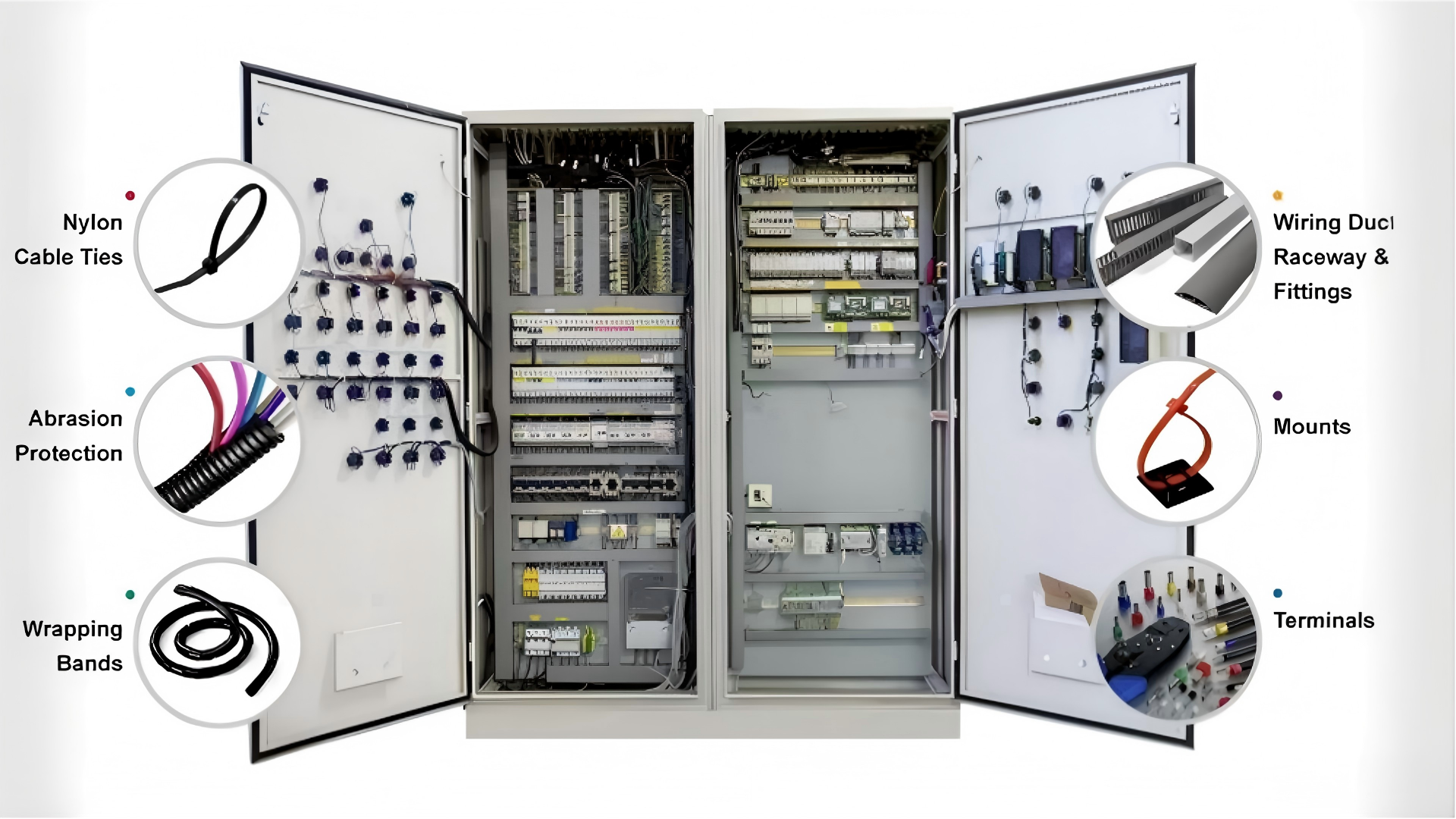
Cable ties, also known as zip ties, are simple fastening tools widely used to bundle, secure, and organize cables, wires, and other components. Despite their simple design, cable ties have become an essential accessory across many industries due to their versatility, ease of use, and low cost. From household organization to industrial installations, cable ties serve many practical purposes. This article explains the common uses of cable ties, where they are applied, and why they are so widely relied upon. Basic Purpose of Cable Ties The primary use of cable ties is to bundle and secure items together. Once tightened, a cable tie locks in place and holds objects firmly without loosening under normal conditions. Their one-way locking mechanism allows for: This makes cable ties an efficient solution for both temporary and long-term fastening needs. Cable Ties in Electrical and Wiring Applications One of the most common uses of cable ties is in electrical installations. Cable ties are used to: Proper cable management improves safety, airflow, and ease of maintenance, especially in commercial and industrial environments. Cable Ties for Home and Office Organization In homes and offices, cable ties help create tidy and functional spaces. Common household and office uses include: Reusable cable ties are often preferred in these settings because they allow easy adjustments. Cable Ties in Industrial Applications In industrial environments, cable ties are used for much more demanding tasks. Typical industrial uses include: Heavy-duty nylon and stainless steel cable ties are commonly selected for their strength, heat resistance, and durability in harsh conditions. Outdoor and Construction Uses of Cable Ties Cable ties are widely used outdoors due to their convenience and weather resistance when properly selected. Outdoor applications include: UV-resistant cable ties are essential for long-term outdoor use to prevent degradation from sunlight. Cable Ties in Automotive...