

- All Posts
- Blog
- Guide
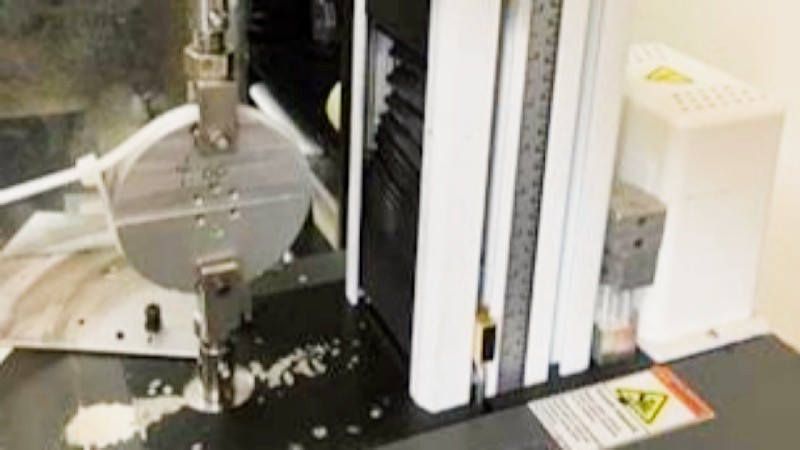
Tensile Strength Rating refers to the maximum tensile load a cable tie can withstand before failure. It is one of the most important mechanical performance indicators when selecting cable ties for electrical, industrial, or heavy-duty applications. Higher tensile strength ratings are typically achieved through better raw materials (e.g., PA66 engineering nylon), larger cross-sectional dimensions, or reinforced structural designs. For specific applications such as automotive wiring harnesses or metal cable tying, performance requirements may vary significantly. Why Tensile Strength Matters Ensures reliable bundling under vibration and movement Reduces failure during installation and long-term service Supports compliance with OEM, UL, and industrial specifications Critical for safety in electrical and mechanical systems Low tensile strength can lead to premature breakage, resulting in wiring damage, system faults, or safety hazards. Typical Tensile Strength Ranges The following ranges are commonly referenced in the cable tie industry: Category Tensile Strength Range Miniature cable ties 18–22 lbs (≈8–10 kgf) Standard cable ties 40–50 lbs (≈18–22 kgf) Heavy-duty cable ties 120–175 lbs (≈55–80 kgf) Stainless steel ties 200–350 lbs (≈90–160 kgf) These values may vary depending on certifications such as UL 62275, MIL spec, or automotive OEM requirements. Testing Methods Tensile strength testing is performed using tensile testing machines, commonly according to: UL 62275 Cable Management Standard ISO/ASTM Mechanical Tensile Test Methods Military & Automotive Specifications (Varies by OEM) Samples are pulled at controlled rates until failure, with the highest load recorded as the tensile strength value. Material Influence on Performance Different materials produce significantly different strength profiles: Material Tensile Performance Notes PA66 Nylon Balanced tensile/impact Used for most general cable ties PA66 Heat-Stabilized Improved retention at high temps Automotive + engine bay usage UV-Resistant Nylon Better outdoor durability Solar & construction Stainless Steel 304/316 Very high tensile strength Industrial & fire-risk areas This makes Tensile Strength Rating...

Stainless Steel 316 (SS316) is a molybdenum-alloyed austenitic stainless steel known for its outstanding resistance to chlorides, seawater, industrial chemicals, and corrosive atmospheres. Compared to SS304, the addition of 2–3% molybdenum (Mo) significantly enhances pitting and crevice corrosion resistance, making SS316 the preferred grade for marine environments, coastal installations, petrochemical facilities, offshore platforms, and power infrastructure. For cable management systems, SS316 is often required where long-term mechanical reliability and environmental durability are mission-critical. Chemical Composition & Alloying Additives Typical composition of SS316: Element Content (%) Cr (Chromium) 16–18 Ni (Nickel) 10–14 Mo (Molybdenum) 2–3 C ≤ 0.08 Mn, Si, P, S Trace elements The molybdenum addition is the defining element differentiating SS316 from SS304 in performance-sensitive applications. Key Material Performance Characteristics • Chloride & Saltwater Resistance316 resists chloride-induced corrosion and pitting, making it suitable for coastal and offshore areas where 304 would degrade more quickly. • Chemical CompatibilityCompatible with many industrial solvents, cleaning agents, acids, and alkalis — widely used in petrochemical, refinery, and wastewater systems. • High Temperature CapacityMaintains structural integrity under elevated temperature service, typically within ~450–650 °C depending on load conditions. • Long Service LifeDesigned for 10–25+ year infrastructure applications with low maintenance requirements, supporting life-cycle cost reduction. • Non-magneticSimilar to 304, 316 remains non-magnetic in annealed condition, relevant for instrumentation and control systems. Certifications & Compliance 316 fasteners and components commonly reference the following: ✔ ASTM A240 / A276 — Stainless steel plate/bar specifications✔ EN 10088 — Stainless steel classification✔ ISO 15156 — Materials for oil & gas service✔ NACE MR0175 — Sour gas & corrosion compliance✔ UL 62275 Type 21/31 — Cable management compliance✔ RoHS / REACH — Environmental certification In critical industries (e.g., energy, offshore), NACE & ISO requirements serve as procurement gatekeepers. Application Scenarios 316 is selected not merely for performance but because...
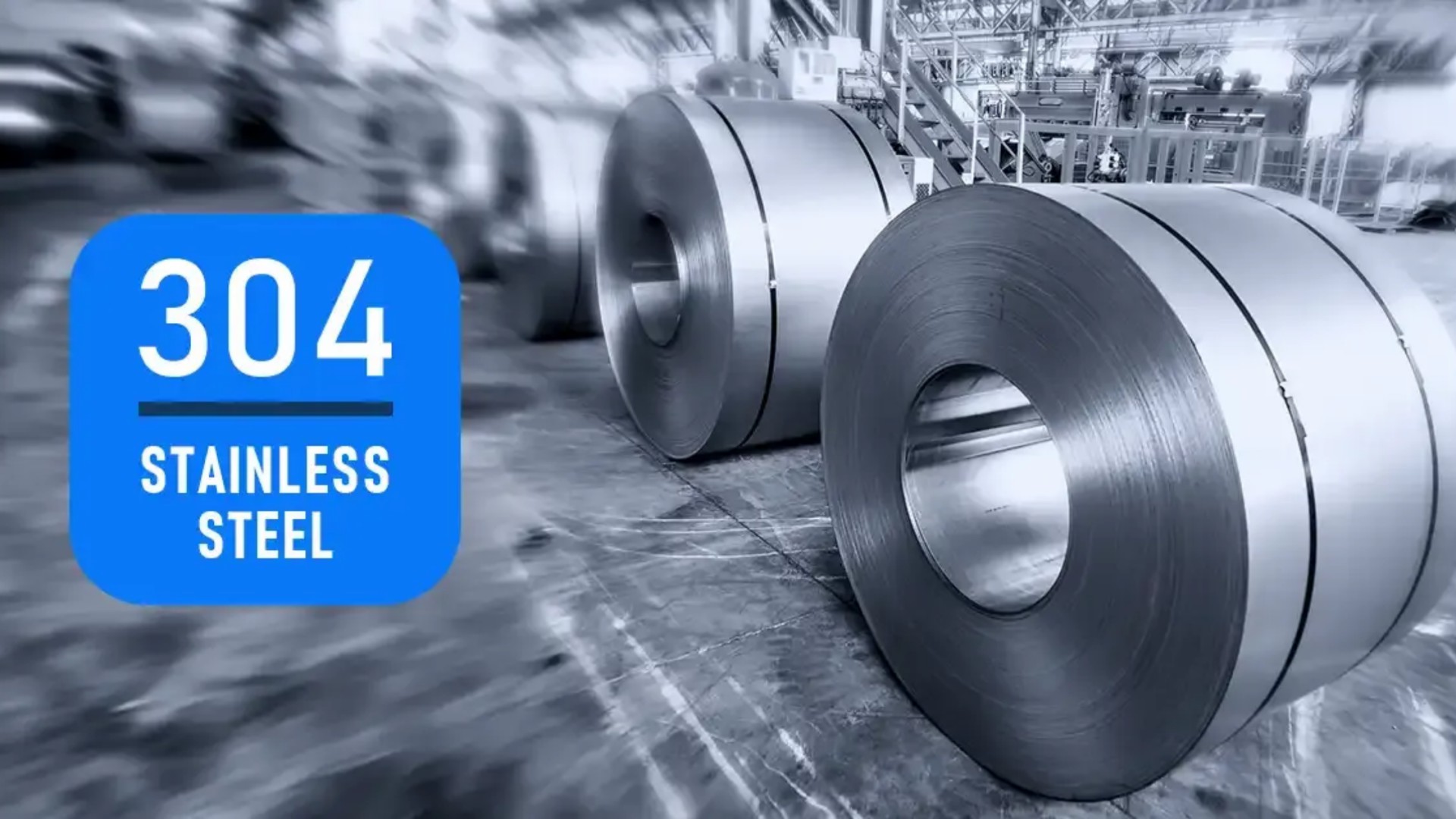
Stainless Steel 304 (SS304) is an austenitic chromium–nickel stainless steel recognized for its excellent balance of corrosion resistance, mechanical strength, and cost-efficiency. As one of the most widely used stainless grades in the world, SS304 serves across sectors ranging from industrial machinery to electrical installations and cable management systems. In fastening and wire management applications, SS304 is commonly used to manufacture metal cable ties, hose clamps, mounting brackets, and electrical accessories that require durability under harsh service environments. Chemical Composition & Alloying Elements The typical composition of SS304 includes: Element Content (%) Cr (Chromium) 18–20 Ni (Nickel) 8–10.5 C (Carbon) ≤ 0.08 Mn, Si, P, S Trace amounts The 18-8 (18% Cr / 8% Ni) formulation enhances its corrosion resistance and contributes to its well-known mechanical stability. Key Material Characteristics • Corrosion ResistanceSS304 demonstrates strong resistance to atmospheric environments, mild chemicals, organic acids, and industrial cleaning agents. This makes it suitable for outdoor installations, factory environments, and coastal inland regions. • Mechanical Strength304 provides high tensile strength and elongation, enabling fastening products to secure heavy cables, hoses, and components where plastic ties are not sufficient. • Heat ResistanceIt maintains mechanical integrity at elevated temperatures, generally up to ~450–650 °C depending on service conditions. • Fatigue & Wear ResistanceThe alloy resists deformation and abrasion under cyclic loads, which is beneficial in vibrating machinery or transportation systems. Relevant Standards & Certifications Depending on the application sector, the following standards are commonly referenced: ✔ ASTM A240 / A276 — Stainless steel plate/bar specifications✔ EN 10088 — Stainless steel grade classification✔ UL 62275 — Cable management for metal ties✔ RoHS / REACH — Environmental compliance requirements✔ ISO 9227 — Salt spray test for corrosion ranking For cable management components specifically, UL 62275 Type 21 has become increasingly relevant in infrastructure, telecom, and solar power...