



- All Posts
- Blog
- Guide
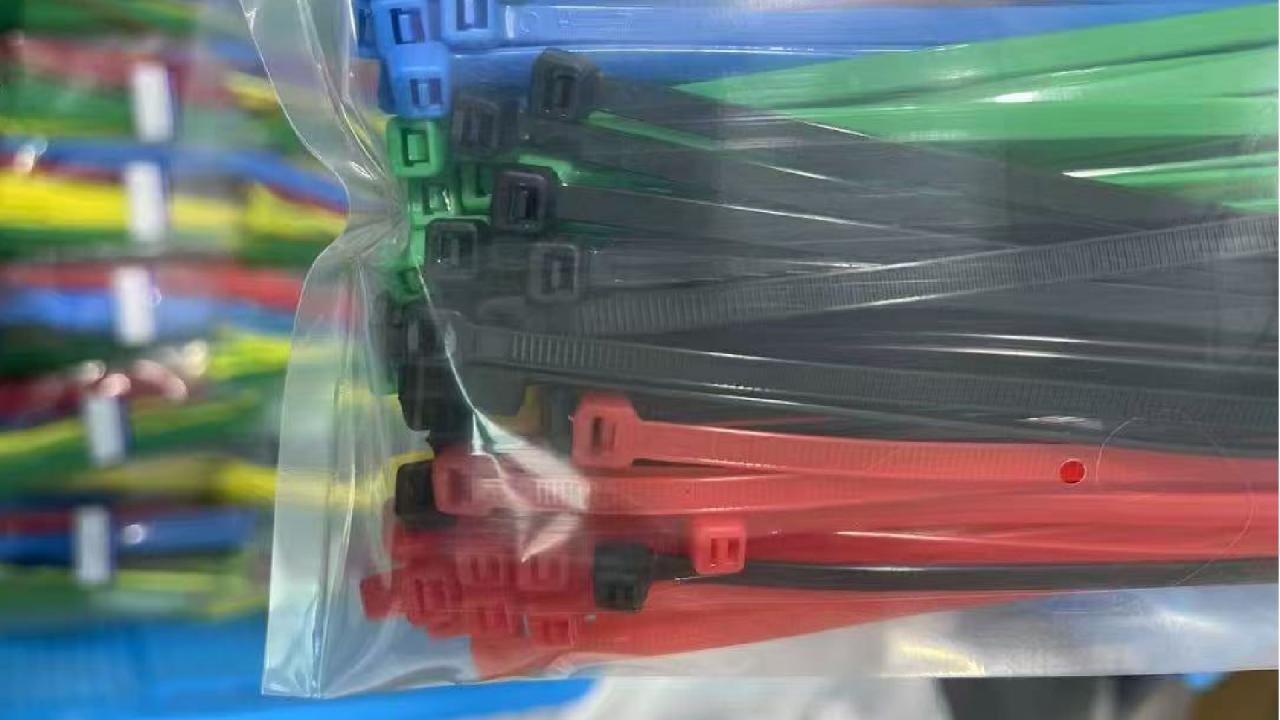
The difference between nylon cable ties and PVC ties is mainly in the following aspects. I. Anti-aging ability The difference between nylon ties and PVC ties lies in the different anti-aging abilities. The long-time use of PVC ties will lead to the aging of the surface, and the internal wire will be exposed and lacerate the object, which will lead to a certain danger, especially when used in electric wires and appliances, where there will be the danger of electrical conductivity. The nylon ties have good anti-aging ability and insulation performance, which can slow down the aging process of the ties and avoid accidents. II. Corrosiveness Since self-locking nylon ties are made of PA66 material, nylon ties have certain advantages in corrosion resistance, while PVC ties are easy to decay or weather with the passage of time due to their low corrosion resistance, bringing great impact to the bound objects. Nylon ties, on the other hand, have good corrosion resistance and can be used normally in domestic and industrial settings. III. Operability Traditional Pvc ties are tedious in actual operation, and it is difficult for workers to operate on the same scale, resulting in higher labor costs. The nylon ties, on the other hand, are simple to use and can bring higher efficiency for enterprises. IV. Tensile strength Nylon ties are strong and reliable, with high tensile strength, impact resistance,e and wear resistance, which effectively prolongs the service life of self-locking nylon ties. In actual use, not easy to break, more in line with the contemporary users of economic tie products. V. Environmental protection Traditional PVC material has certain pollution to the environment, which is not conducive to the requirements of modern green development, while nylon ties are made of PA66, which has good environmental protection.
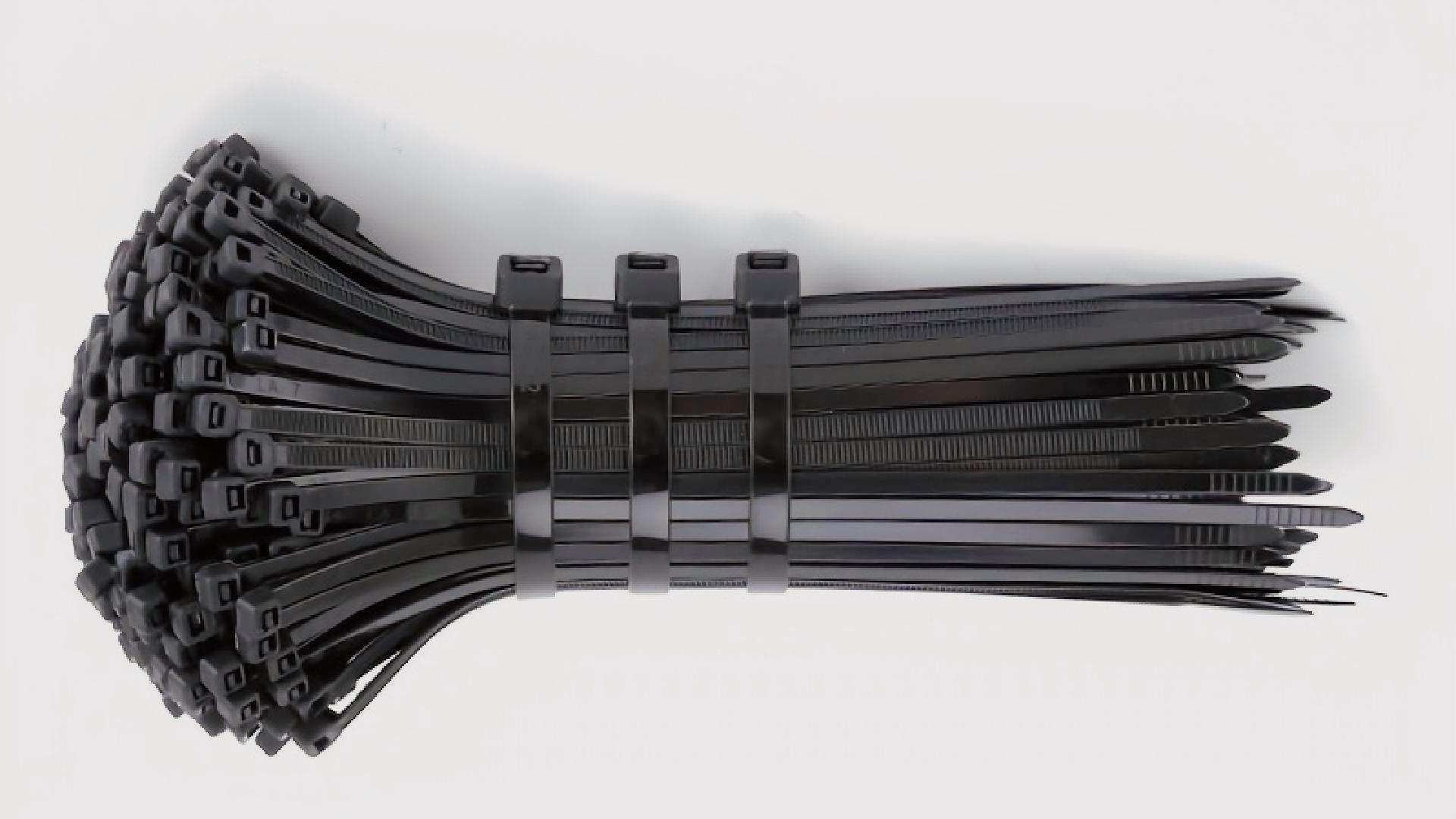
Cable ties are widely used in industries ranging from electrical work to the food industry, automotive, and even household applications. While they may seem small and lightweight, their weight-holding capacity varies based on material, type, and size. Understanding the strength and load limits of different cable ties is essential for choosing the right type for your needs. Here, we’ll explore how strong cable ties are by differentiating the weight capacity of standard and heavy-duty cable ties, factors affecting their strength, and methods to test their durability. Understanding Cable Ties’ Weight Capability Standard Cable Ties Standard Cable ties are lightweight, flexible, and commonly used for bundling wires, organizing cables, and securing lightweight objects. They are typically made from nylon 6/6, which provides moderate tensile strength while maintaining durability. Heavy Duty Cable Ties Heavy duty or industrial strength cable ties are designed for high-stress applications, providing significantly higher tensile strength and resistance to environmental factors. They are commonly used in automotive, aerospace, construction, and outdoor applications. Extra Heavy Duty Cable Ties Extra heavy duty cable ties are designed for the most demanding applications, providing exceptional tensile strength and durability. These ties are perfect for securing oversized bundles, heavy equipment, and critical installations in industrial, marine, and infrastructure projects. Cable ties, also known as cable ties, are versatile tools used across various industries for bundling, securing, and organizing items. Their tensile strength and applications vary based on type, size, and material. Below is a table summarizing different types of cable ties, their typical tensile strengths, and common uses: Type of Cable Tie Tensile Strength Common Uses Standard Nylon Cable Ties 18 to 250 lbs General-purpose applications such as organizing cables and wires in residential and office settings. Stainless Steel Cable Ties 200 to 485 lbs Environments with extreme temperatures, UV exposure, or corrosive conditions are commonly...
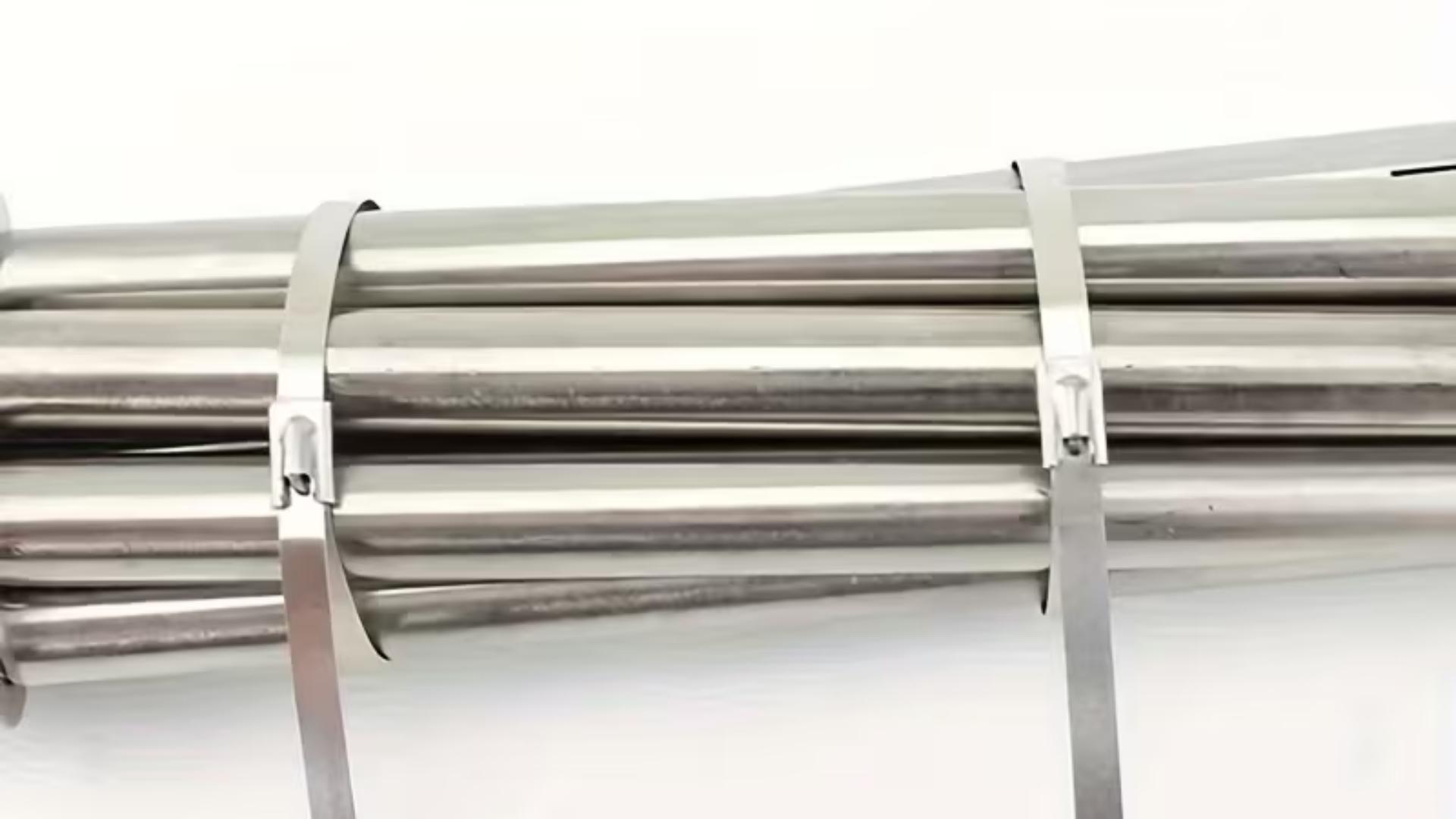
Use metal cable ties when strength, heat resistance, or durability is critical. Unlike nylon cable ties, metal cable ties—usually made from stainless steel—are designed for harsh environments such as high temperatures, vibration, outdoor exposure, and industrial settings. This guide explains how to install metal cable ties correctly, what tools to use, and how to avoid common mistakes that lead to cable damage or unsafe installations. What Are Metal Cable Ties Used For? Metal cable ties are commonly used in: Automotive and engine compartments Industrial machinery and equipment Solar and outdoor installations Marine and coastal environments High-temperature or high-vibration areas Their strength and resistance to UV, heat, and corrosion make them suitable where nylon ties fail. Tools Needed to Use Metal Cable Ties While metal cable ties can be tightened by hand, proper tools improve safety and consistency. Recommended tools: Stainless steel cable tie tensioning tool (best option) Side cutters or flush cutters (for removal only) Protective gloves (to avoid sharp edges) A tensioning tool applies even force and cuts excess tail cleanly, reducing sharp edges. Stainless steel cable tie tensioning tool Step-by-Step: How to Use Metal Cable Ties Step 1: Position the Cable Tie Wrap the metal cable tie around the cable bundle or object. Ensure cables are properly aligned and not twisted or crossed. Step 2: Insert the Tail into the Locking Head Feed the tail through the locking mechanism. Pull until the tie is snug, but do not fully tighten yet. Step 3: Apply Controlled Tension Using a tensioning tool, tighten the metal cable tie gradually. Secure the bundle firmly Avoid crushing cable insulation Leave slight allowance for vibration or thermal expansion Controlled tension is critical when you use metal cable ties. Step 4: Cut the Excess Tail Cleanly Most tensioning tools automatically cut the tail flush once...