
Nylon Cable Ties Buying Guide: How to Choose & What to Know
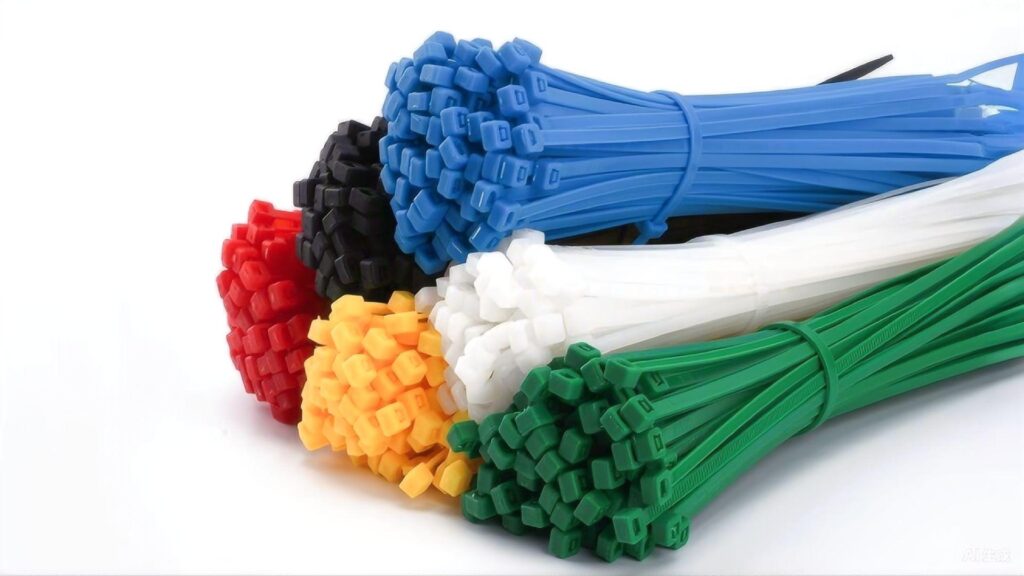
Buying the right nylon cable ties isn’t as simple as measuring the length and width of the items to be bundled. You also need to consider factors like usage conditions (allowing for a safety margin), price, material, UV resistance, temperature resistance, flame retardancy, and color. All of these factors will affect your ability to choose the right cable ties. Specialty nylon cable ties may be necessary in some cases, and it’s crucial to choose high-quality ties from ISO-certified manufacturers. Size Selection: Always Leave a Safety Margin When choosing nylon cable ties, avoid selecting ties that are exactly the same size as the object being bundled. A common mistake is choosing ties that are too large for the wire harness or conduit, which significantly reduces locking strength and increases the risk of breakage. Recommended practice: Measure the maximum diameter of the object being bundled. Select a cable tie with a length 1.2-1.3 times the maximum diameter of the object
How to Loosen a Cable Tie Safely?
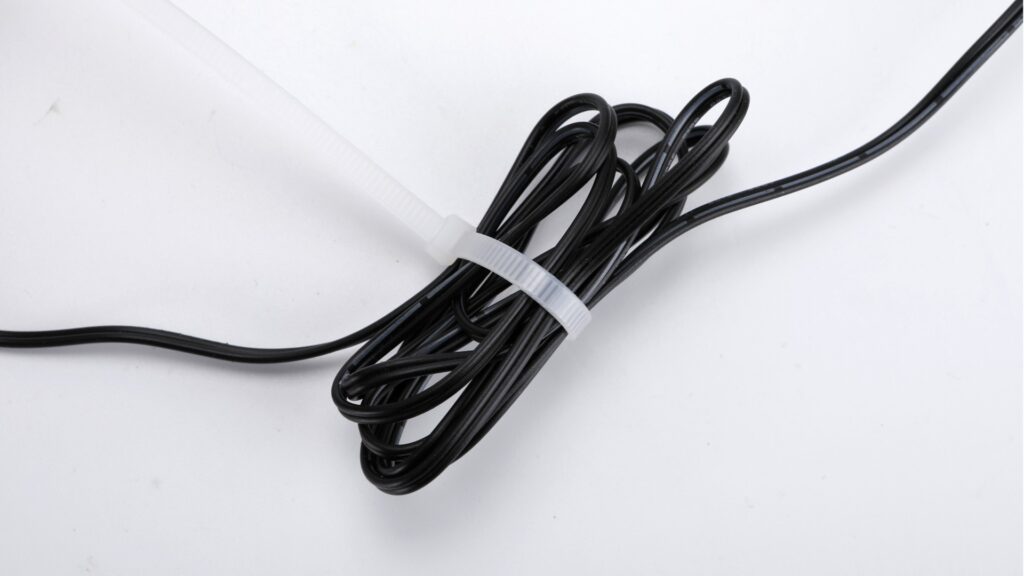
How to Loosen a Cable Tie? Most people have encountered this problem in their daily lives. When you need to Loosen a Cable Tie, it usually feels harder than when you install them. Cable ties are simple, inexpensive, and durable, but they also have a drawback: once tightened, many people cannot safely and efficiently remove them without damaging the cables or injuring themselves. This guide will help you solve this long-standing problem, providing solutions whether you need to loosen, cut, or remove cable ties without tools, or in emergency situations. At the end, we will also introduce cable tie recycling methods, as proper disposal is equally important. How to Loosen a Cable Tie (Safely & Cleanly) Most cable ties are designed for single use, which makes it challenging to loosen a Cable Tie without the right tools, which means it can be very difficult to open them again. Of course, we can safely remove the cable ties if we choose the right method. Method 1: Cut the cable ties usin
How much does a custom cable tie cost?
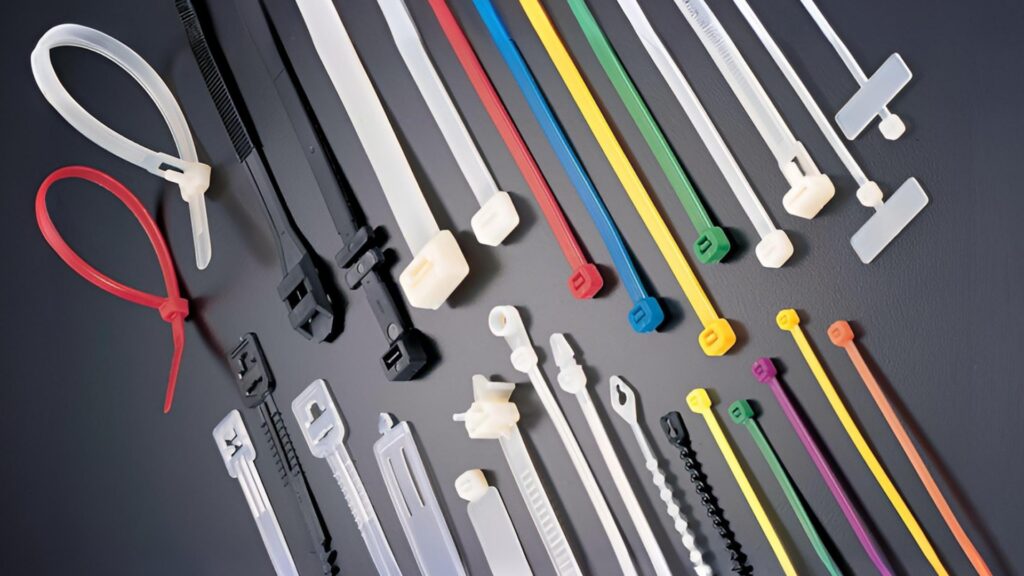
Custom cable tie cost? When buyers consider customized cable ties, the first question is always the same.Unlike standard ties, the price of a custom cable tie depends on several variables—material, moulding requirements, order quantity, colour type, printing methods, and quality standards. This article breaks everything down in a practical, procurement-friendly way, helping you understand the real structure behind custom cable tie cost before contacting any supplier. Why Custom Cable Ties Cost More Than Standard Ones Customizing cable ties—whether nylon or stainless steel—requires adjustments in either manufacturing, moulding, or post-processing. Even small customizations can influence price because: Cable ties are mass-produced with fixed moulds Any change in colour, length, width, or printing interrupts standard production Non-standard specifications typically require higher MOQs Set-up costs must be spread over quantity This means custom cable tie pricing is predictable once you un
Cable Tie Applications: 5 Creative Uses You Should Know
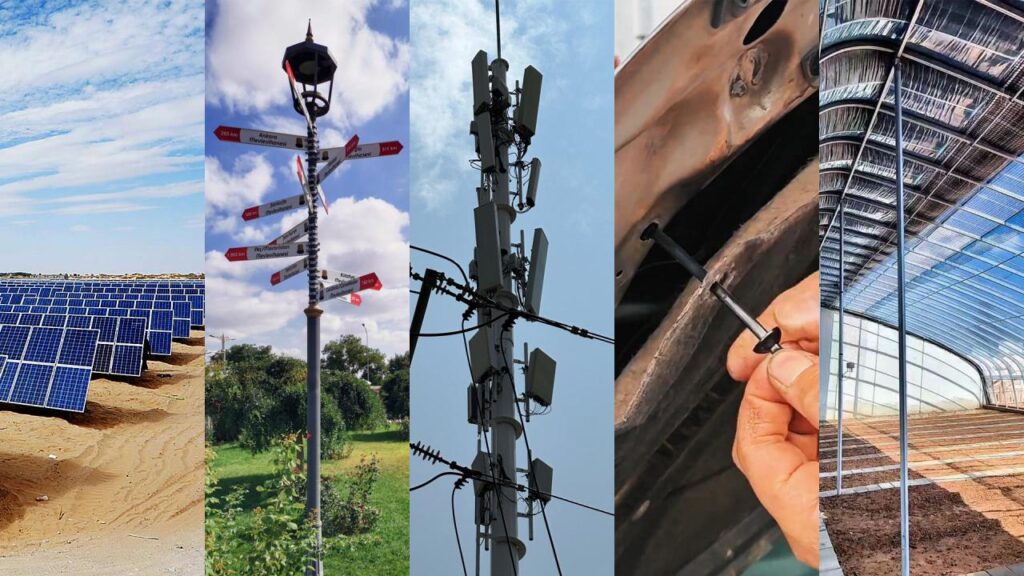
Cable tie applications extend far beyond basic cable bundling, and many users are surprised by how versatile these small tools can be. From quick emergency fixes to lightweight structural support, cable ties solve problems across home projects, industrial installations, and outdoor environments. In this article, we explore five creative and practical cable tie applications that show why these inexpensive fasteners deserve a place in every toolbox. A temporary repair tool that saves time in emergencies One of the most overlooked cable tie applications is emergency repair. In situations where a component fails suddenly, cable ties can act as rapid temporary restraints. For example, HVAC technicians sometimes use heat-stabilized cable ties to hold loose insulation in place until a permanent fix is made. Automotive users often rely on heavy-duty ties to secure hoses or wiring harnesses on the road. Even in construction, a broken latch on a tool box or a loose panel can be stabilized withi
Cable Ties: Which material fits your project?
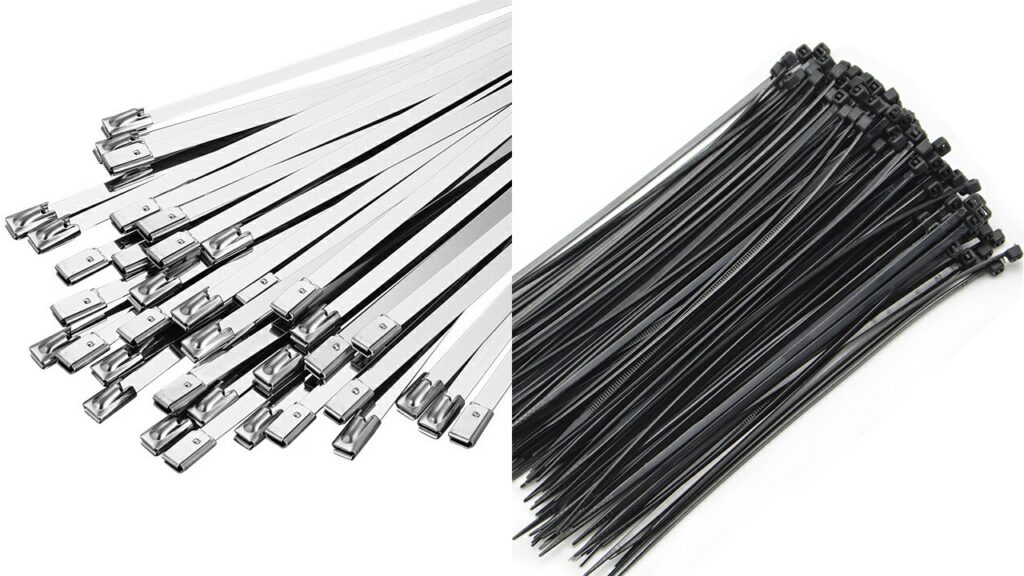
Choosing between metal cable ties and nylon cable ties is often treated as a small decision in a much larger project. But in practice, this choice determines installation lifespan, maintenance frequency, safety performance, and even compliance with industry standards. Many failures in outdoor electrical installations, solar arrays, automotive wiring, and industrial equipment can be traced back to the wrong cable tie material rather than the cable itself.This article summarizes the practical differences, buying considerations, and real engineering insights that manufacturers and installers use—but which most online guides fail to explain clearly. Understanding the Nature of Both Materials Metal cable ties and nylon cable ties share the same purpose—securing cables and components—but they behave completely differently in real environments. Nylon is a flexible, lightweight engineering plastic designed for indoor and general-purpose routing. Metal ties, usually made from 304 or 316 stainl
UV Resistant Cable Ties: Why They Matter and How to Choose
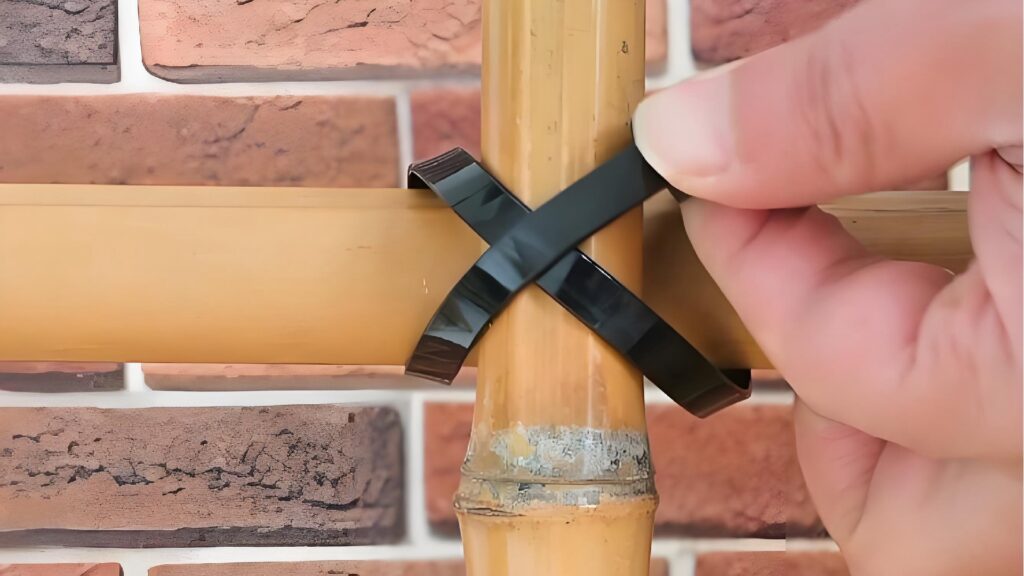
Outdoor cable management faces challenges far beyond those found indoors. Heat, ultraviolet radiation, humidity, temperature fluctuation, and long-term weather exposure can quickly degrade standard nylon ties, leading to brittleness, cracking, and unexpected failure. UV resistant cable ties solve this issue by incorporating stabilizers and additives engineered to withstand sunlight’s damaging effects. These ties are widely used in solar PV installations, telecommunications towers, outdoor lighting systems, automotive wiring, agriculture, and industrial environments that demand long-term reliability. Although UV resistant cable ties may look similar to standard nylon ties, their performance and longevity differ dramatically. This guide consolidates widely accepted industry knowledge, expands on engineering data, summarizes global best practices, and includes additional insights based on real-world application. The goal is to help buyers choose safer, more durable, and more cost-effecti
Stainless Steel Cable Ties:Types, Applications, and How to Choose
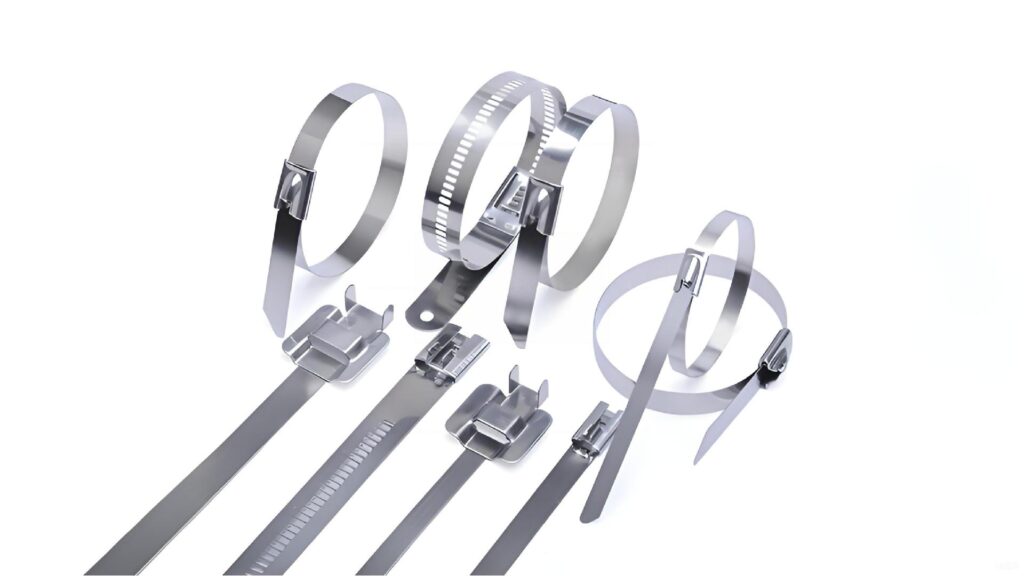
Stainless steel cable ties are essential components in industries where durability, temperature stability, and long-term reliability matter more than anything else. Unlike nylon cable ties, which are widely used in indoor or standard environments, stainless steel versions are specifically designed to withstand harsh weather, corrosive chemicals, UV exposure, and extreme heat. Because of this, they are widely adopted in electrical installations, solar photovoltaic systems, marine engineering, oil and gas facilities, transportation infrastructure, and heavy industrial projects. With many variations available—including different grades of stainless steel, multiple locking mechanisms, and multiple surface treatments—it can be difficult for buyers to determine which stainless steel cable tie is truly suitable for their specific environment. This guide consolidates the most important knowledge from the global market, combines industry standards with practical insights, and introduces additi
How to Determine if a Cable Tie Supplier is Reliable?

Choosing the right cable tie supplier may seem simple at first—after all, cable ties are basic consumables, widely used in electrical work, construction, automotive wiring, industrial installations, and household projects. But in reality, selecting a reliable supplier is not just about finding the lowest price or the largest warehouse. A dependable supplier ensures consistent product quality, stable supply, accurate certifications, and trustworthy communication. These factors directly influence your business reputation, customer satisfaction, and the long-term stability of your supply chain. In this article, we will explore the key elements that help you determine whether a cable tie supplier is truly reliable. Rather than simply listing features, we will walk through real-world considerations based on industry experience, comparisons between different manufacturing regions, and practical checks that any buyer can perform. The goal is to help you avoid risks, reduce procurement errors
Why Choose a Chinese Cable Tie Supplier?
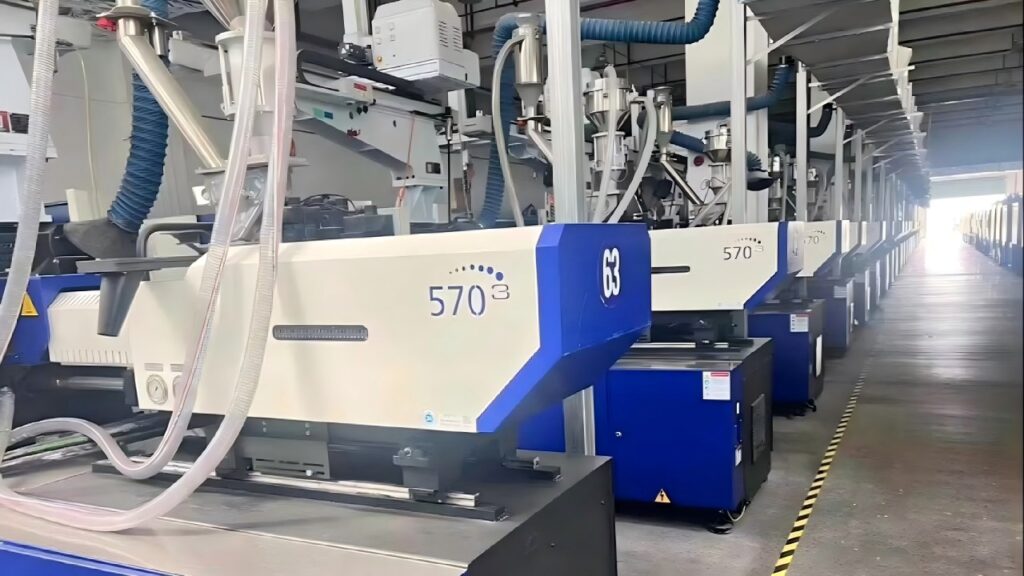
Wholesalers, large corporations, and various global enterprises are increasingly choosing Chinese cable tie suppliers. Many wonder why. China boasts a massive cable tie production capacity, coupled with a mature supply of plastic and stainless steel materials, resulting in very low prices, especially for nylon cable ties. While other countries may offer similar prices, their quality and production capacity are less consistent. Choosing Chinese cable tie suppliers is the best solution for improving business efficiency and economics. Direct purchases from Chinese cable tie factories can even reduce prices to as low as $0.002 for small cable ties and $0.10 for long ones. This article will provide a detailed overview of Chinese cable tie suppliers, covering product quality, industry standards, manufacturing advantages, price advantages, factory capabilities, transportation methods, and comparisons with other countries. Why are Chinese cable tie manufacturers your best choice? To obtain th