
Cable Tie Rating System – Material, Performance & Application
Cable tie ratings help define material quality, strength, and safety performance. This page explains common cable tie rating systems, including material grades and performance standards, to help you choose the right tie for electrical, industrial, and outdoor applications.
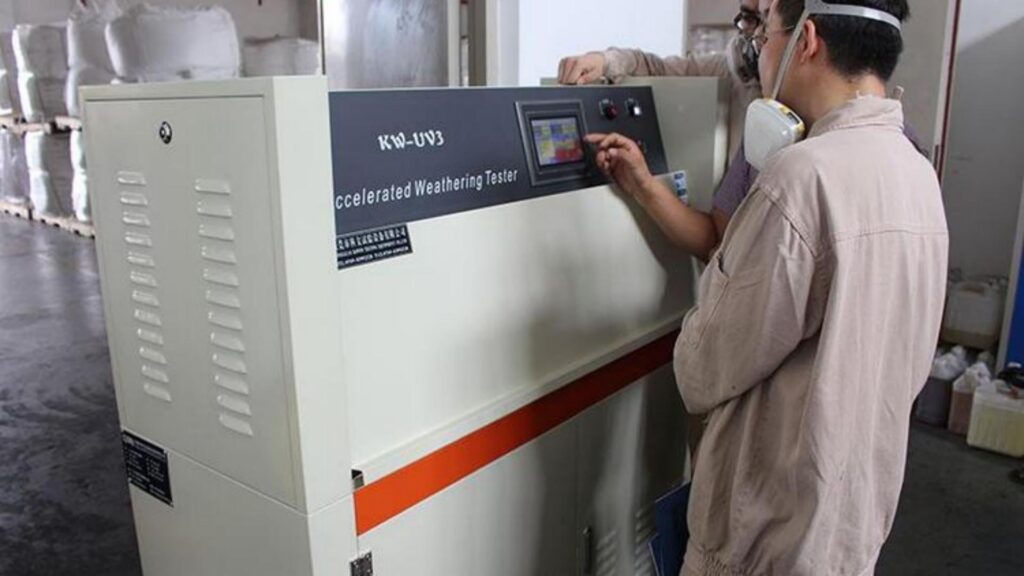
Clear Selection Guide
Industry-Based Standards
Reduced Purchase Risk
Application-Focused Ratings
Cable tie ratings are used to classify products based on material composition, mechanical performance, and safety compliance. Understanding these ratings allows engineers, installers, and buyers to select cable ties that meet specific environmental, load, and regulatory requirements.
Rather than focusing on size alone, rating systems help compare cable ties by how they perform under stress, heat, flame exposure, or long-term use. On this page, cable tie ratings are organized into two main categories: Material Grade and Performance Grade, making it easier to evaluate suitability for different applications.
Cable Tie Ratings
Material Grade
Material grade defines the base material and its resistance to environmental factors.
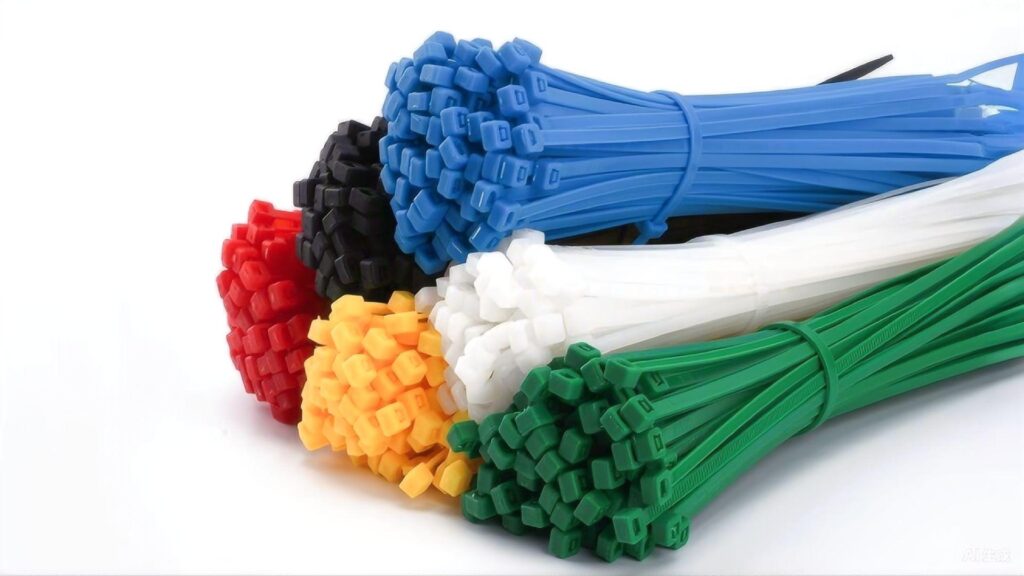
- PA66 Standard Grade – General-purpose indoor applications
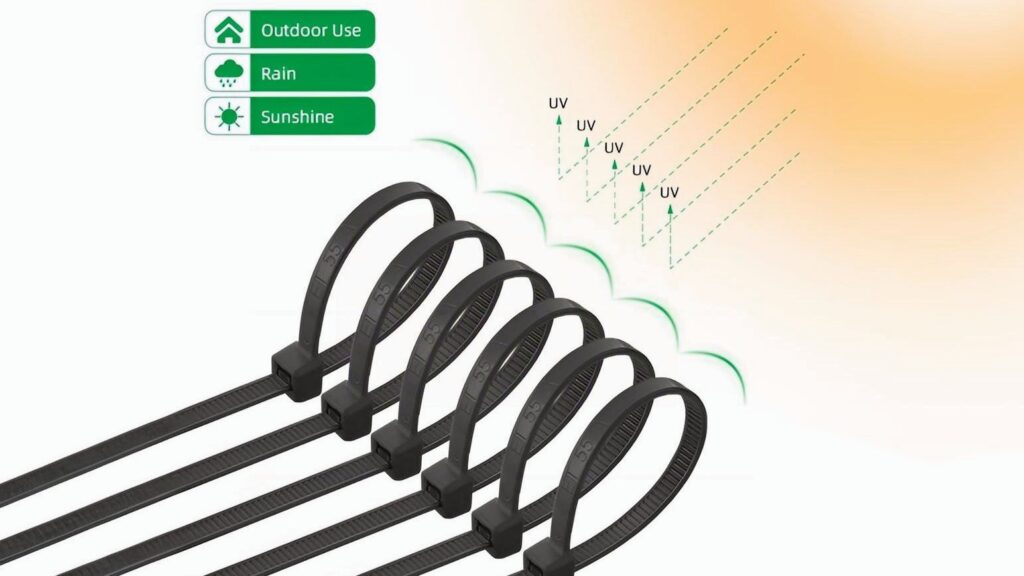
- PA66 UV-Resistant Grade – Outdoor use with sunlight exposure
- PA66 Heat-Stabilized Grade – Elevated temperature environments
- PA66 Industrial Heavy-Duty Grade – Higher strength and durability
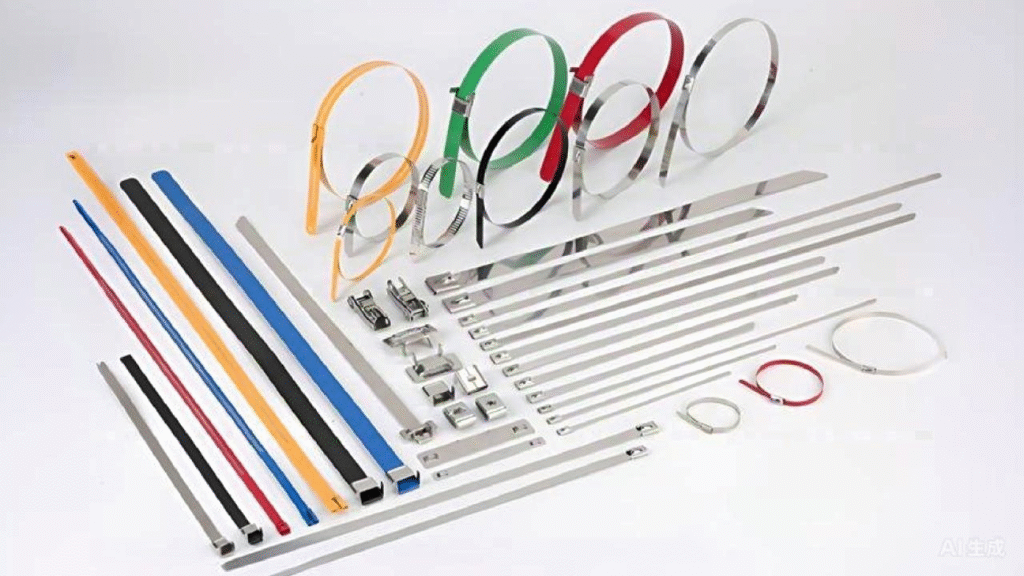
- Stainless Steel 304 Grade – Corrosion-resistant industrial use
- Stainless Steel 316 Grade – Marine and chemical environments
Performance Grade
Performance grade focuses on how a cable tie behaves under specific conditions.
- Tensile Strength Rating – Maximum load capacity before failure
- Flame Retardant Rating (UL94) – Fire resistance and safety level
- Operating Temperature Range – Cold and heat tolerance
- Chemical Resistance – Resistance to oils, solvents, or salts
How to Use Cable Tie Ratings
This structured approach ensures long-term performance and compliance.
- Identify the environment (indoor, outdoor, industrial, marine)
- Check required strength and bundle size
- Match material grade to exposure conditions
- Confirm performance ratings meet safety standards
Frequently Asked Questions
Find answers to common questions below.
A classification system describing material quality, strength, and safety performance.
No. Material grade focuses on composition, while performance grade focuses on behavior and standards.
It ensures the cable tie can safely support the intended load.
It indicates flame retardancy performance under UL fire testing standards.
Not necessarily—ratings should match the specific application requirements.
Some standards are international, while others vary by region or industry.
Yes, ratings help compare suitability, though materials serve different purposes.
On product specifications, technical datasheets, or manufacturer documentation.