
Stainless Steel Cable Ties
Stainless steel cable ties offer maximum durability for harsh outdoor and industrial environments. Made from 304 or 316 stainless steel, they resist corrosion, extreme temperatures, chemicals, and UV exposure. Ideal for heavy-load fastening in solar systems, pipelines, HVAC, marine use, and high-temperature areas where nylon ties cannot perform reliably.
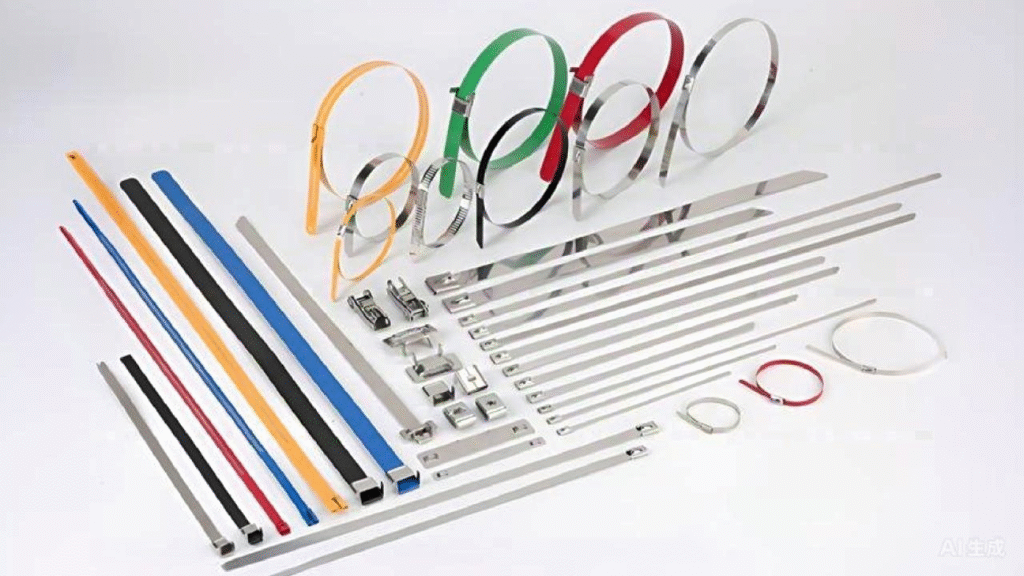
Ultra-High Strength
Corrosion Resistant
Extreme Temperature Ready
Long Outdoor Lifespan
Shop By Stainless Steel
Made from 304 stainless steel, these ties offer strong performance and corrosion resistance for general outdoor, industrial, and electrical applications. Ideal for areas requiring higher durability than nylon.
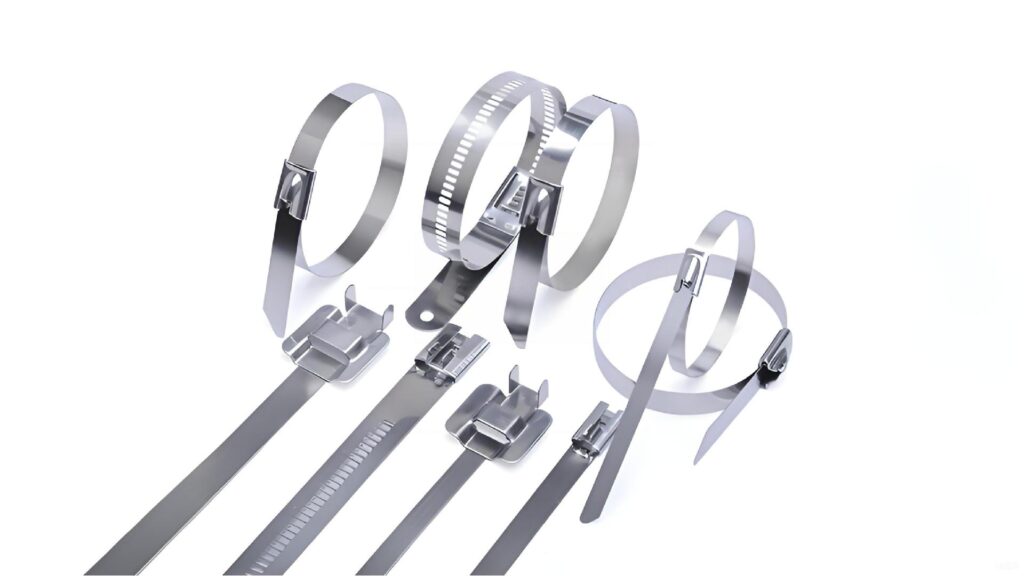
Constructed with marine-grade 316 stainless steel for maximum corrosion resistance. Perfect for coastal, offshore, chemical plants, and environments exposed to salt, acids, and moisture.
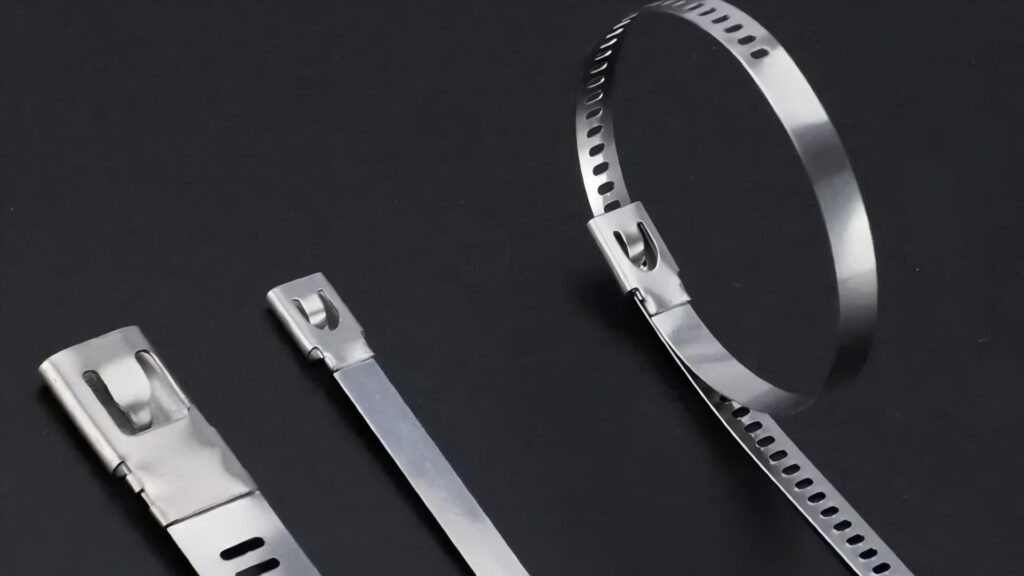
Flexible ladder-style design allows adjustable locking positions and easier handling around irregular shapes. Commonly used in industrial maintenance, HVAC, and electrical equipment.
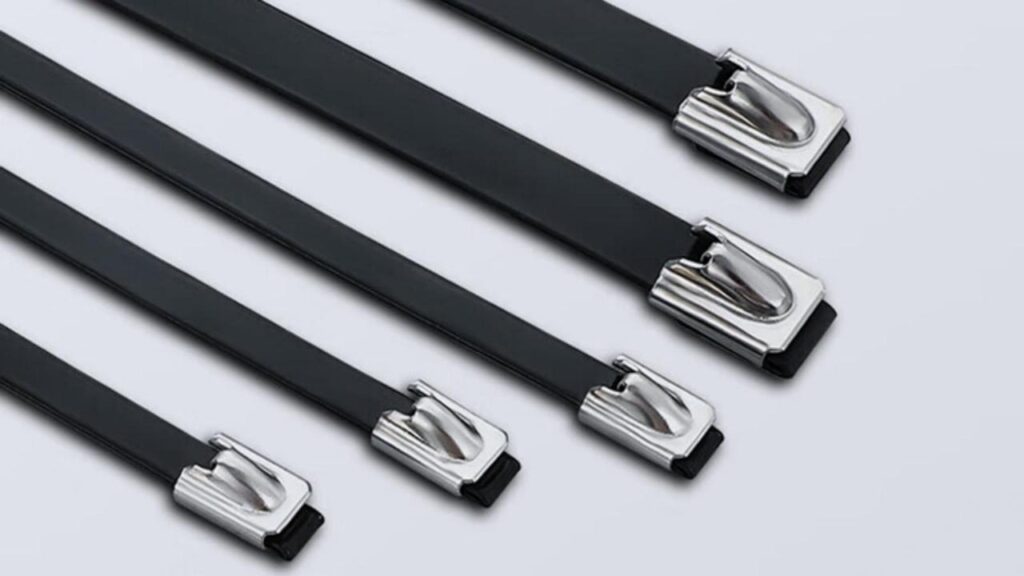
The coated ball-lock cable tie series is ideal for securing cables or wires outdoors or in high-stress, UV-exposed environments. Its non-loosening ball-lock mechanism ensures a secure and reliable hold when binding or securing items, while the ultra-durable and UV-resistant nylon material provides a robust and long-lasting solution for harsh environments.
Stainless Steel Ties VS Nylon/Plastic Ties
| Feature | Stainless Steel Ties | Nylon/Plastic Ties |
|---|---|---|
| Corrosion Resistance | Excellent | Poor |
| Temperature Range | Very high | Limited |
| Strength | High | Moderate |
| UV Resistance | Yes | No (degrades) |
| Reusability | Usually no | Some reusable options |
1. Exceptional Corrosion Resistance
Stainless steel forms a self-healing oxide layer that resists rust and oxidation, even in marine, coastal, and chemical environments.
2. High Tensile Strength
These ties can endure heavy loads and secure large cable bundles without failing — significantly more than comparable nylon ties.
3. Extreme Temperature Performance
Stainless steel ties maintain integrity between wide temperature extremes (e.g., from very low to several hundred °C), making them ideal for automotive engines, industrial ovens, and harsh outdoor environments.
4. Chemical & Saltwater Resistance
They resist degradation from exposure to oils, acids, salt spray, and solvents, crucial for chemical plants, coastal facilities, and offshore installations.
5. Long Service Life & Cost Savings
Unlike plastic ties that degrade rapidly, stainless steel ties can last 10–20+ years, reducing maintenance and replacement costs in large installations.
Applications
- Marine & offshore rigs
- Chemical & industrial plants
- Telecommunications & data centers
- Automotive & aerospace wiring
- Outdoor electrical installations and infrastructure
- Food processing and pharmaceutical equipment
Where hygiene and corrosion resistance matter
Frequently Asked Questions
Find answers to common questions below.
Stainless steel cable ties are heavy-duty wire management solutions made from corrosion-resistant stainless steel. They provide secure, long-lasting bundling and fixation in demanding environments where nylon or plastic ties fail.
Most stainless steel cable ties are designed for one-time use with an irreversible locking mechanism. Once locked, they cannot be opened without damaging the tie, which ensures long-term fixation and safety in critical applications.
Stainless steel cable ties are typically made of 304 or 316 stainless steel.
Compared to nylon:
Stainless steel offers far greater corrosion resistance, temperature tolerance, and mechanical strength.
Nylon can soften, deform, or degrade under heat, UV, or harsh chemicals.
Stainless steel maintains stability over long periods in extreme conditions.
Yes — high-quality stainless steel ties (304/316) are specifically engineered to withstand outdoor exposure including rain, UV, wind, and salt air, with much longer service life than plastic ties.