
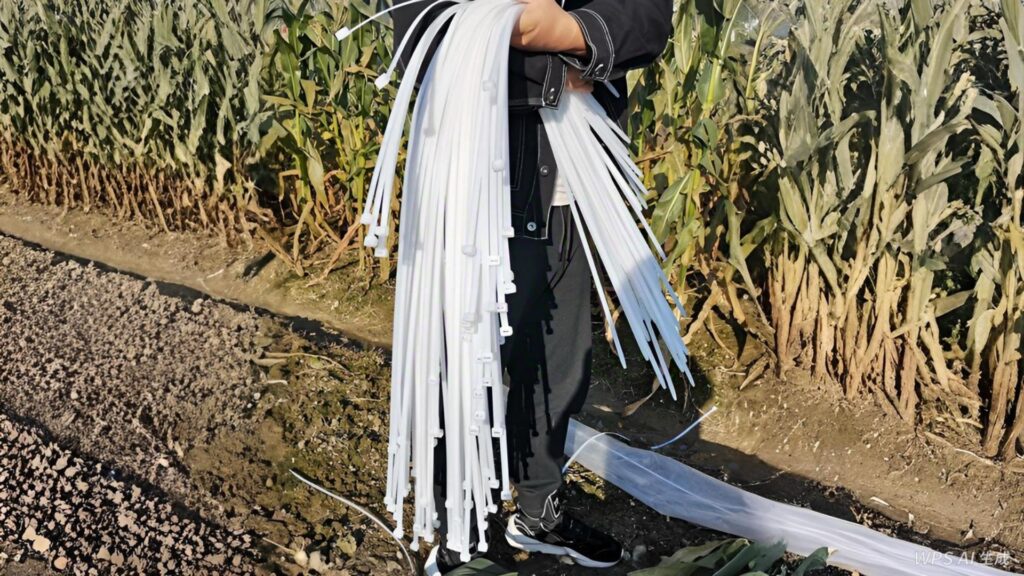
Selecting the right heavy-duty industrial cable ties is about more than just grabbing the thickest tie you can find. In demanding industrial environments—where vibration, extreme temperatures, chemicals, moisture, and heavy loads are daily challenges—the wrong choice can lead to frequent failures, downtime, or even safety hazards.
This guide explains how to choose cable ties that are truly designed to withstand industrial use, what specifications matter most, and how to match product features with real-world application needs.
Table of Contents
ToggleUnderstand Your Application Requirements
Heavy-duty applications vary widely, from industrial machinery harnesses to outdoor steel structures. Before choosing, ask:
Will the ties be exposed to vibration or shock?
Is the environment indoors or outdoors?
Will chemicals, oil, or solvents be present?
What temperature range will the ties face?
Are the ties going to hold static cables or dynamic components?
The answers to these questions dictate material, strength, and long-term performance expectations.
Material Selection: Stainless Steel vs High-Grade Nylon
Best performing option for heavy-duty industrial use.
Advantages:
Extremely high tensile strength
Unaffected by UV, corrosion, chemicals
Excellent for outdoor, coastal, or chemical plant environments
Maintains strength in high temperature or heat cycling
Typical Use Cases:
Industrial machine harness support
Outdoor infrastructure cabling
Corrosive environments
High vibration machinery
Note: Stainless steel ties usually need a proper tensioning tool for consistent installation.
High-Grade Nylon Cable Ties
A viable heavy-duty choice when stainless steel is not necessary.
Key Attributes:
Heat-stabilized or UV-resistant formulations
Larger widths (7.5mm to 12mm+) provide higher tensile ratings
Flexible and easier to install
Limitations:
Nylon still degrades under long-term UV exposure without proper stabilization
Lower temperature tolerance than metal alternatives
Best Use Cases:
Indoor industrial wiring
HVAC and control cabinets
Bundles with less mechanical stress
Size, Width, and Tensile Strength
For heavy-duty industrial use, these specifications matter more than length alone.
Width
Wider ties generally mean higher strength. Typical ranges for heavy duty:
7.5mm – 9.0mm — moderate heavy duty
9.0mm – 12mm+ — high-strength industrial bundles
Tensile Strength
Rated in pounds (lbs) or Newtons (N). Match strength with the load and environmental vibration.
Thin ties (<50 lb) — light
Medium ties (50–120 lb) — general heavy duty
Large ties (120+ lb) — industrial or structural use
Always choose a tie with higher strength than the calculated load to maintain safety and durability.
Environmental Ratings: UV, Temperature, Chemicals
In industrial use, exposure is usually more severe:
UV Resistance
Outdoor installations require UV-stabilized nylon or metal ties. Standard nylon will become brittle over time.
Temperature Range
Check the continuous operating temperature:
Standard nylon: –40°C to ~85°C
Heat-stabilized nylon: higher range with better thermal aging
Stainless steel: far exceeds typical industrial temperatures
Chemical Resistance
Certain environments expose ties to oils, acids, solvents, or steam.
Stainless steel resists most chemicals
Nylon is susceptible unless formulated for chemical resistance
Coating and Protection
For heavy-duty cable ties, protective coatings matter:
Coated stainless steel cable ties prevent abrasion on cable insulation and protect against corrosion
Smooth head designs reduce insulation cut-through
Rounded edges are safer for high-touch or maintenance areas
These features help prolong service life and protect the cables themselves.
Tools and Installation Technique
Proper installation is often overlooked but critical for heavy-duty use.
Tensioning Tools
Using a calibrated tool ensures consistent tension and prevents over-tightening, which can weaken ties or damage cables.
Cutting Tools
Flush cutters produce clean ends and prevent sharp edges that can cause injuries or snagging over time.
Well-installed cable ties stretch less under load and maintain grip longer.
Viewing Failure Modes for Better Selection
Understanding how and why ties fail helps you choose better:
Brittleness → UV or thermal degradation
Cracking or snapping under vibration → insufficient strength rating
Chemical weakening → wrong material
Abrasion damage → lack of coating
Matching features to failure causes greatly increases service life.
Compliance and Certifications
For industrial projects, consider ties that meet recognized standards:
UL 62275 cable tie standard
RoHS compliance
ISO 9001 manufactured
Spec sheets should clearly list tensile ratings, material grades, and environmental limits.
Conclusion
Selecting the right heavy-duty industrial cable ties requires matching material, tensile strength, environmental resistance, and installation technique to your specific use case. Stainless steel ties are the top performer for extreme industrial environments, while high-grade UV-resistant nylon is suitable for heavy indoor applications. Proper choice and correct installation yield long-lasting performance, reduced maintenance, and safer cable management.
Frequently Asked Questions
Find answers to common questions below.
Most heavy-duty cable ties are single-use. Reusable versions exist but are normally used in low-stress, adjustable applications.
Standard nylon ties are not recommended for heavy mechanical loads, UV exposure, or high heat.
High-grade stainless steel (such as 316) provides excellent corrosion resistance for outdoor and chemical environments.