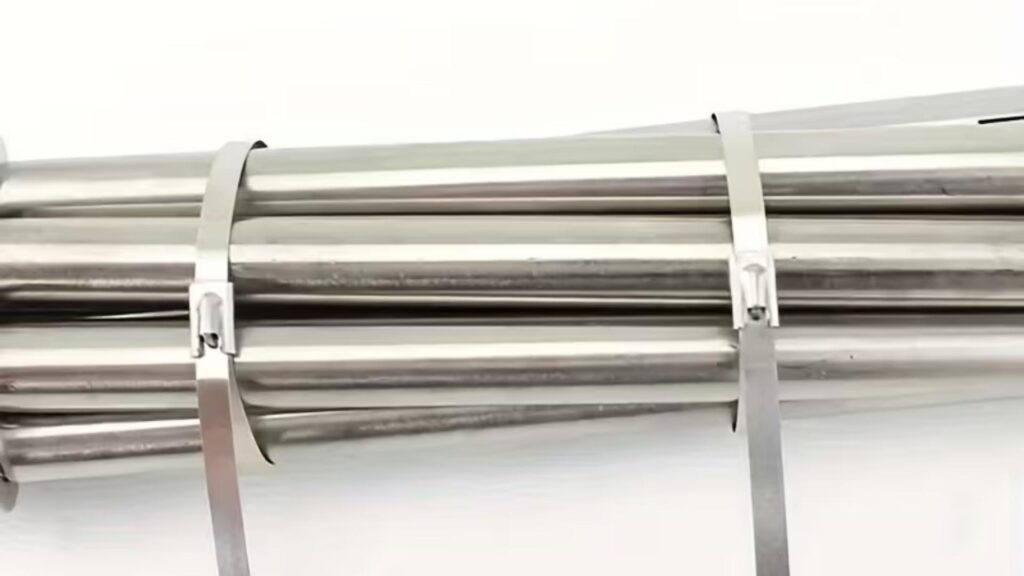
Use metal cable ties when strength, heat resistance, or durability is critical. Unlike nylon cable ties, metal cable ties—usually made from stainless steel—are designed for harsh environments such as high temperatures, vibration, outdoor exposure, and industrial settings.
This guide explains how to install metal cable ties correctly, what tools to use, and how to avoid common mistakes that lead to cable damage or unsafe installations.
Table of Contents
ToggleWhat Are Metal Cable Ties Used For?
Metal cable ties are commonly used in:
Automotive and engine compartments
Industrial machinery and equipment
Solar and outdoor installations
Marine and coastal environments
High-temperature or high-vibration areas
Their strength and resistance to UV, heat, and corrosion make them suitable where nylon ties fail.
Tools Needed to Use Metal Cable Ties
While metal cable ties can be tightened by hand, proper tools improve safety and consistency.
Recommended tools:
Stainless steel cable tie tensioning tool (best option)
Side cutters or flush cutters (for removal only)
Protective gloves (to avoid sharp edges)
A tensioning tool applies even force and cuts excess tail cleanly, reducing sharp edges.

Step-by-Step: How to Use Metal Cable Ties
Step 1: Position the Cable Tie
Wrap the metal cable tie around the cable bundle or object. Ensure cables are properly aligned and not twisted or crossed.
Step 2: Insert the Tail into the Locking Head
Feed the tail through the locking mechanism. Pull until the tie is snug, but do not fully tighten yet.
Step 3: Apply Controlled Tension
Using a tensioning tool, tighten the metal cable tie gradually.
Secure the bundle firmly
Avoid crushing cable insulation
Leave slight allowance for vibration or thermal expansion
Controlled tension is critical when you use metal cable ties.
Step 4: Cut the Excess Tail Cleanly
Most tensioning tools automatically cut the tail flush once the desired tension is reached.
If cutting manually, ensure the cut is smooth and flush to prevent sharp edges.
Step 5: Inspect the Installation
Check that:
The tie is secure
Cables are not pinched or damaged
No sharp edges are exposed
A quick inspection prevents long-term issues.
Common Mistakes When Using Metal Cable Ties

Over-Tightening
Metal cable ties do not stretch like nylon. Over-tightening can damage cable insulation or deform soft materials.
No Edge Protection
When used near sharp metal edges, add grommets or sleeves to prevent abrasion.
Using the Wrong Type
Uncoated metal cable ties may damage sensitive cables. In such cases, coated metal cable ties are a better choice.
Coated vs Uncoated Metal Cable Ties
Uncoated metal cable ties: Best for maximum heat resistance and structural strength
Coated metal cable ties: Protect cable insulation and reduce vibration damage
Choose based on cable sensitivity and environment.
Safety Tips When You Use Metal Cable Ties
Always wear gloves during installation
Use proper tools to avoid sharp tails
Do not reuse single-use metal cable ties
Cut and dispose of removed ties safely
Metal cable ties are strong—but must be handled correctly.
Conclusion
Knowing how to use metal cable ties properly ensures secure fastening, longer service life, and safer installations. By using the right tools, applying controlled tension, and choosing coated or uncoated versions appropriately, metal cable ties become one of the most reliable fastening solutions for demanding applications.
Frequently Asked Questions
Find answers to common questions below.
No. Most metal cable ties are single-use and must be cut for removal.
They can if over-tightened or used without coating. Proper tension and coated versions reduce risk.
Yes. Stainless steel cable ties perform extremely well outdoors and in corrosive environments.