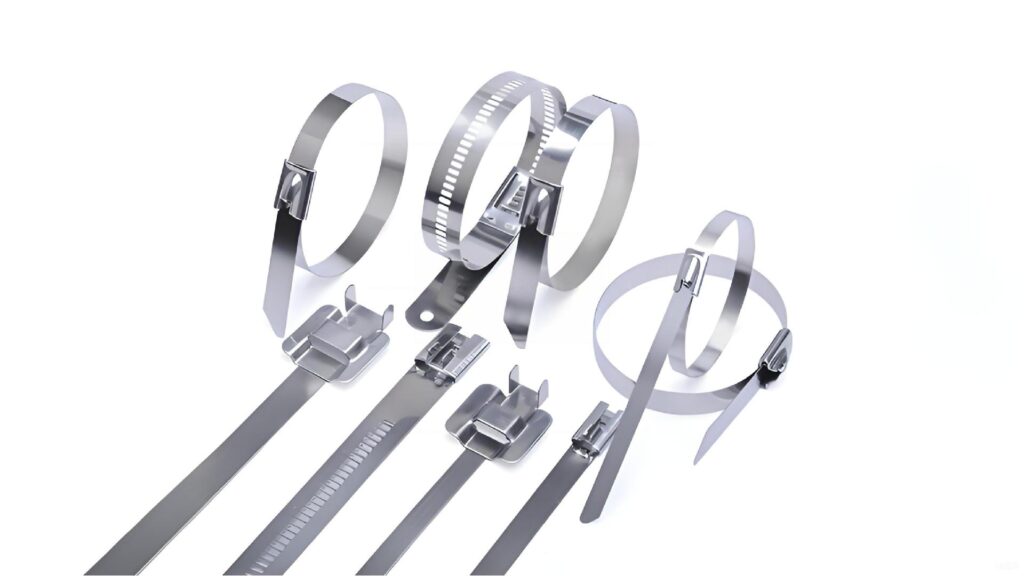
Stainless steel cable ties are chosen when nylon cable ties are no longer reliable—high temperature, UV exposure, corrosion, vibration, or long-term outdoor use all demand a stronger fastening solution. However, improper installation can lead to cable damage, wasted material, or safety risks. Knowing how to use stainless steel cable ties properly is essential to get their full performance without causing problems.
This guide focuses on correct installation methods, tool usage, common mistakes, and best practices based on real-world applications.
Table of Contents
ToggleUnderstand When Stainless Steel Cable Ties Are Necessary
Stainless steel cable ties are not meant to replace nylon ties in every situation. They are used when environmental or mechanical conditions exceed what plastic ties can handle.
They are commonly used in:
- Outdoor and coastal environments
- High-temperature areas
- Chemical plants and industrial facilities
- Heavy vibration zones
- Long-term, maintenance-free installations
Using stainless steel ties where nylon would suffice increases cost and installation effort unnecessarily.
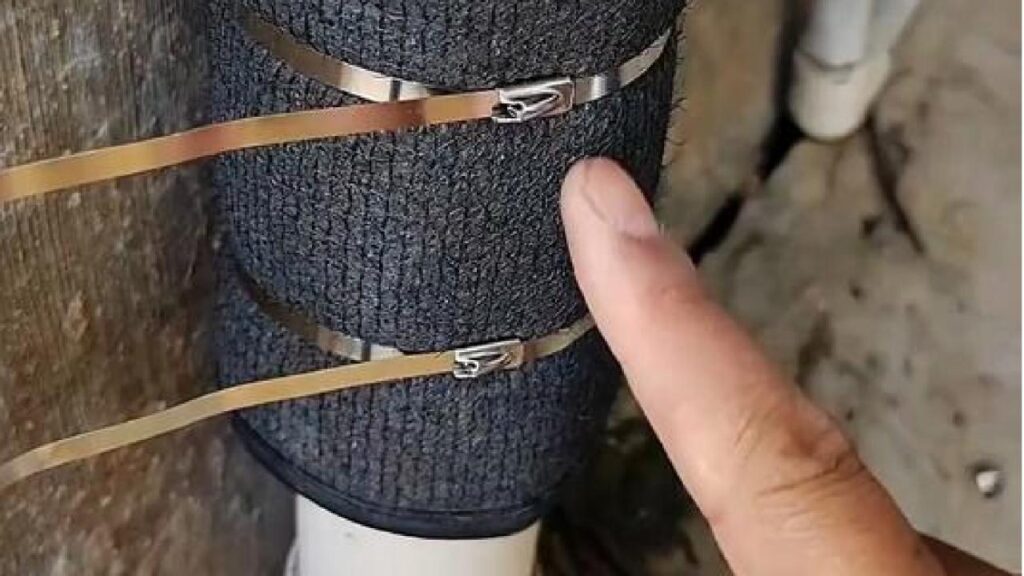
Choose the Correct Type Before Installation
Before installation, confirm that the stainless steel cable tie matches the application.
Key factors to check:
- Material grade (e.g., 304 or 316 stainless steel)
- Width and tensile strength suitable for the load
- Coated vs uncoated (coated ties protect cables from abrasion)
- Locking mechanism (ball-lock or ladder-lock designs)
Selecting the wrong type often leads to cable damage or over-engineering.
Prepare the Bundle or Object Properly
Before tightening the tie:
- Align cables neatly
- Remove sharp edges from mounting surfaces
- Avoid crossing or twisting cables
- Ensure sufficient spacing to prevent pinching
Stainless steel cable ties do not stretch like nylon. Once tightened, repositioning is difficult without cutting.
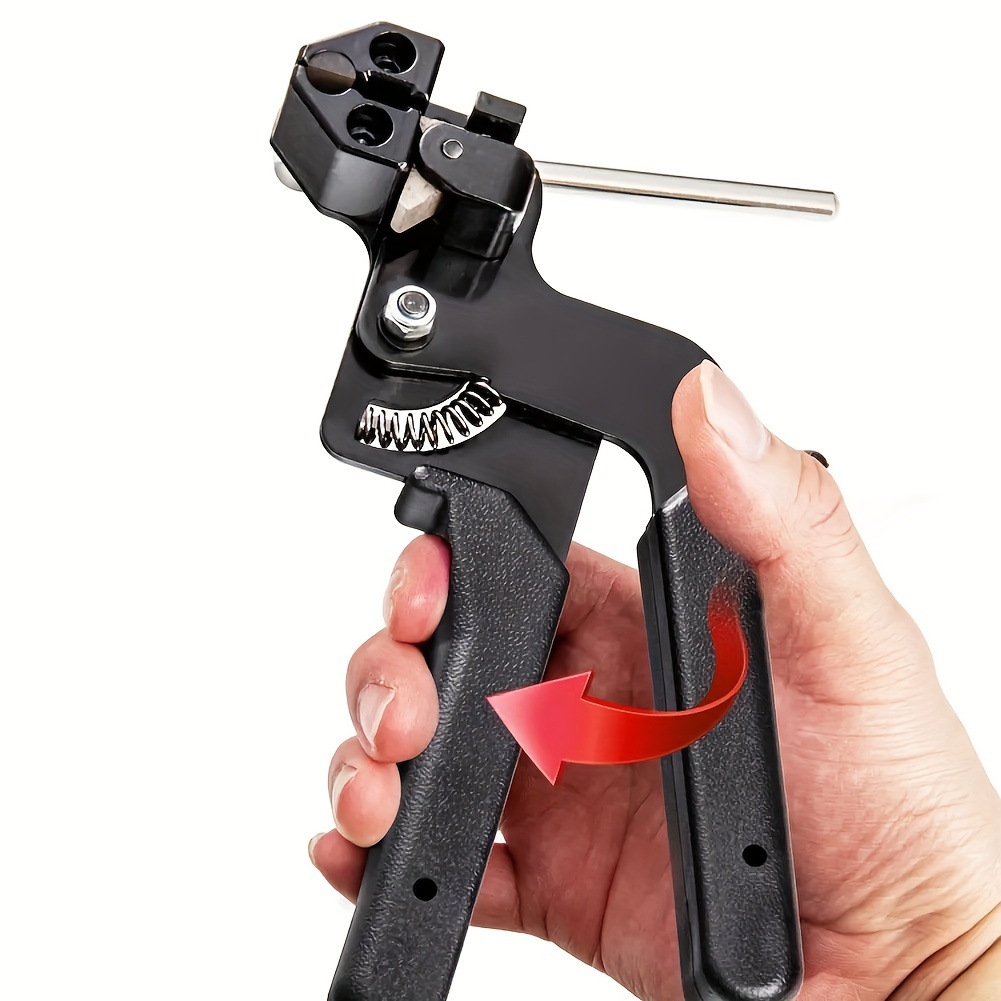
Use the Right Installation Tool
While stainless steel cable ties can be tightened by hand, a proper tensioning tool is strongly recommended, especially for industrial use.
Correct tools allow you to:
- Apply consistent tension
- Prevent over-tightening
- Cut excess tail flush without sharp edges
Improvised tools or pliers often result in uneven tension and exposed sharp ends, which create safety hazards.
Apply Controlled Tension — Do Not Over-Tighten
One of the most common mistakes is over-tightening. Stainless steel cable ties can easily exceed the pressure needed to secure cables.
Best practice:
- Tighten until cables are secure but not compressed
- Avoid deforming cable insulation
- Leave slight flexibility in vibration-prone environments
Excessive tension does not improve strength—it increases the risk of cable damage.
Cut the Excess Tail Safely
After tightening:
- Use the tensioning tool’s built-in cutter or a flush cutter
- Ensure the cut edge is smooth and flush
- Never leave sharp protruding tails
Uncut or jagged ends are a common cause of hand injuries during maintenance.
Special Considerations for Coated Stainless Steel Cable Ties
Coated stainless steel cable ties provide an extra protective layer between metal and cable insulation.
When using coated ties:
- Avoid damaging the coating during installation
- Do not use serrated tools that may tear the coating
- Inspect after tightening to ensure the coating remains intact
Damaged coating reduces insulation protection and corrosion resistance.
Installation in Harsh Environments
For outdoor or corrosive environments:
- Prefer 316 stainless steel for better corrosion resistance
- Avoid direct contact with dissimilar metals when possible
- Ensure the tie is not under constant mechanical stress
Proper material selection is just as important as correct installation.
Removal and Maintenance
Stainless steel cable ties are generally single-use.
To remove them:
- Use metal cutters or cable tie cutting tools
- Never twist or pull aggressively
- Wear gloves to prevent injury
For applications requiring frequent changes, reusable or releasable alternatives should be considered instead.
Common Mistakes to Avoid
- Using stainless steel ties where nylon is sufficient
- Over-tightening and crushing cables
- Cutting tails without proper tools
- Leaving sharp edges exposed
- Mixing incompatible metals in corrosive environments
Avoiding these mistakes significantly improves safety and service life.
Conclusion
Using stainless steel cable ties properly requires more than just tightening and cutting. Correct material selection, controlled tension, proper tools, and attention to safety details are essential. When installed correctly, stainless steel cable ties provide unmatched durability and reliability in demanding environments, making them a valuable solution for long-term and heavy-duty applications.
Frequently Asked Questions
Find answers to common questions below.
No. Most stainless steel cable ties are designed for single use. Once tightened, they must be cut for removal.
While manual tightening is possible, a stainless steel cable tie tensioning tool is recommended for consistent tension and safe cutting.
Yes, if over-tightened. Always apply controlled tension and consider coated stainless steel cable ties for sensitive cables.
Coated stainless steel cable ties provide insulation protection and reduce abrasion, making them suitable for electrical and communication cables.
316 stainless steel cable ties offer superior corrosion resistance and are recommended for outdoor or coastal environments.