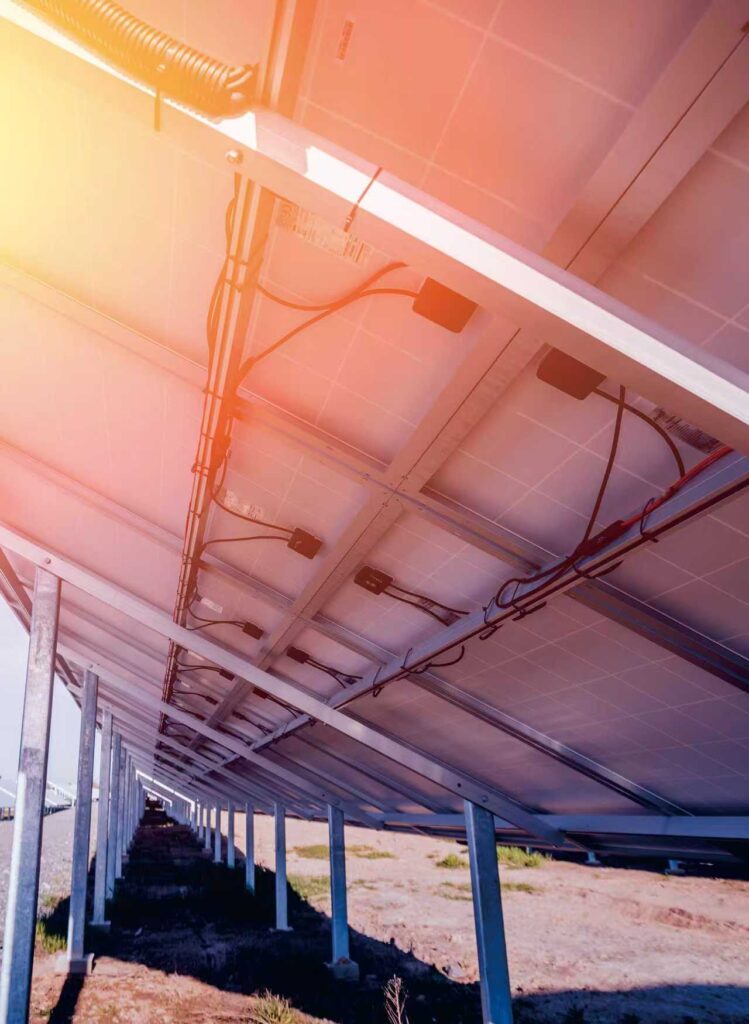
Outdoor solar installations operate in some of the most demanding environments for cable management. Long-term exposure to sunlight, temperature fluctuations, wind, moisture, and mechanical stress means that ordinary cable ties are often not suitable for photovoltaic (PV) systems. Selecting the right cable ties for outdoor solar installation is essential for system reliability, safety, and long service life.
This guide explains how to choose the appropriate cable ties for outdoor solar projects, focusing on real installation conditions and practical selection criteria.
Understanding Outdoor Solar Installation Environments
Unlike indoor electrical systems, outdoor solar installations face continuous environmental stress. Common conditions include:
- Constant UV radiation
- High and low temperature cycles
- Wind-induced vibration
- Rain, humidity, and dust
- Long-term exposure without maintenance
Cable ties used in these environments must perform reliably for many years, often matching the lifespan of the solar panels themselves.
UV Resistance: A Critical Requirement
UV resistance is one of the most important factors when selecting cable ties for outdoor solar installation. Standard nylon cable ties without UV stabilization can become brittle, fade, and crack after prolonged sun exposure.
For solar applications, cable ties should be made from UV-resistant nylon 6/6 or other materials designed for outdoor use. Black UV-stabilized cable ties are commonly used, but UV-resistant colored or green cable ties may also be suitable when properly specified.
Using non-UV-resistant ties can lead to cable loosening, failure, or safety hazards over time.
Temperature Range and Thermal Stability
Solar installations often experience wide temperature variations. Rooftop PV systems can reach very high temperatures during the day and cool rapidly at night.
When selecting cable ties, consider:
- Minimum and maximum operating temperature
- Resistance to thermal aging
- Performance stability over long periods
High-quality nylon cable ties designed for solar use typically offer a wide temperature range and maintain tensile strength under thermal stress.
Material Selection: Nylon vs Stainless Steel
Material choice plays a key role in outdoor solar installations.
Nylon cable ties
- Lightweight and flexible
- Easy to install
- Cost-effective for large projects
- Suitable for most standard PV cable routing when UV-resistant
Stainless steel cable ties
- Extremely high tensile strength
- Excellent resistance to UV, heat, and corrosion
- Ideal for harsh environments, coastal areas, or high-wind zones
For many residential and commercial solar projects, UV-resistant nylon cable ties are sufficient. Stainless steel cable ties are often used in utility-scale installations or extreme environments.
Installation Type: Roof-Mounted vs Ground-Mounted Systems
Different solar installation types require different cable tie considerations.
Roof-mounted solar systems
- Limited space
- Higher surface temperatures
- Strong exposure to sunlight
- Need for secure but flexible fastening
Ground-mounted solar systems
- Larger cable runs
- Greater exposure to wind and weather
- Higher mechanical stress on cables
Ground-mounted systems may require wider or stronger cable ties to withstand movement and vibration over time.
Cable Routing and Fixing Methods
Cable ties are not only used for bundling cables but also for fixing them to rails, frames, or support structures.
When selecting cable ties for outdoor solar installation, consider:
- Tie length and width
- Required tensile strength
- Compatibility with mounting rails or clips
- Smooth edges to avoid cable insulation damage
Proper routing and fastening reduce mechanical stress on PV cables and help maintain a clean, professional installation.
Common Mistakes in Solar Cable Tie Selection
Some frequent selection errors include:
- Using indoor-grade cable ties outdoors
- Ignoring UV resistance requirements
- Choosing ties that are too narrow for long cable runs
- Over-tightening, causing cable damage
- Mixing low-quality ties with high-value solar components
Avoiding these mistakes improves system reliability and reduces maintenance costs.
Practical Selection Checklist
Before choosing cable ties for outdoor solar installation, confirm:
- UV resistance rating
- Suitable temperature range
- Correct material type
- Adequate tensile strength
- Proper size for the application
- Compliance with relevant standards
A systematic selection approach ensures long-term performance.
Conclusion
Selecting the right cable ties for outdoor solar installation is a small but critical part of building reliable photovoltaic systems. By understanding environmental conditions, material options, and installation requirements, installers and project managers can make informed choices that support safety, durability, and long-term system performance.
Well-chosen cable ties contribute to clean cable routing, reduced failure risk, and professional solar installations that last.