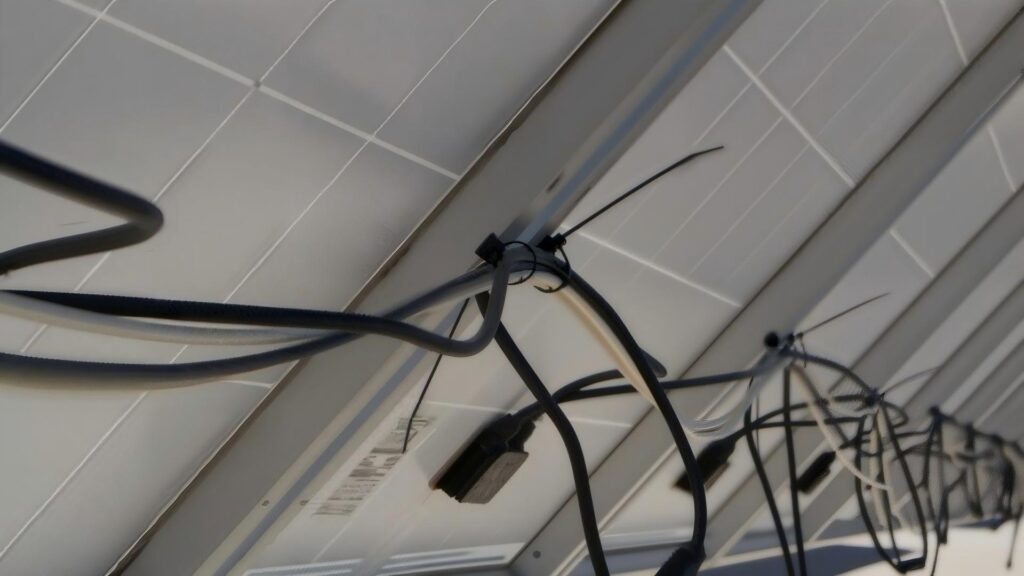
Solar cable ties play a critical role in photovoltaic (PV) systems by securing and organizing cables in outdoor and high-exposure environments. Unlike standard cable ties used indoors, solar cable ties must withstand long-term sunlight, temperature fluctuations, moisture, and mechanical stress.
Choosing the right solar cable ties helps improve system reliability, safety, and installation efficiency. This article explains what solar cable ties are, their key features, common materials, and how they are used in solar applications.
What Are Solar Cable Ties?
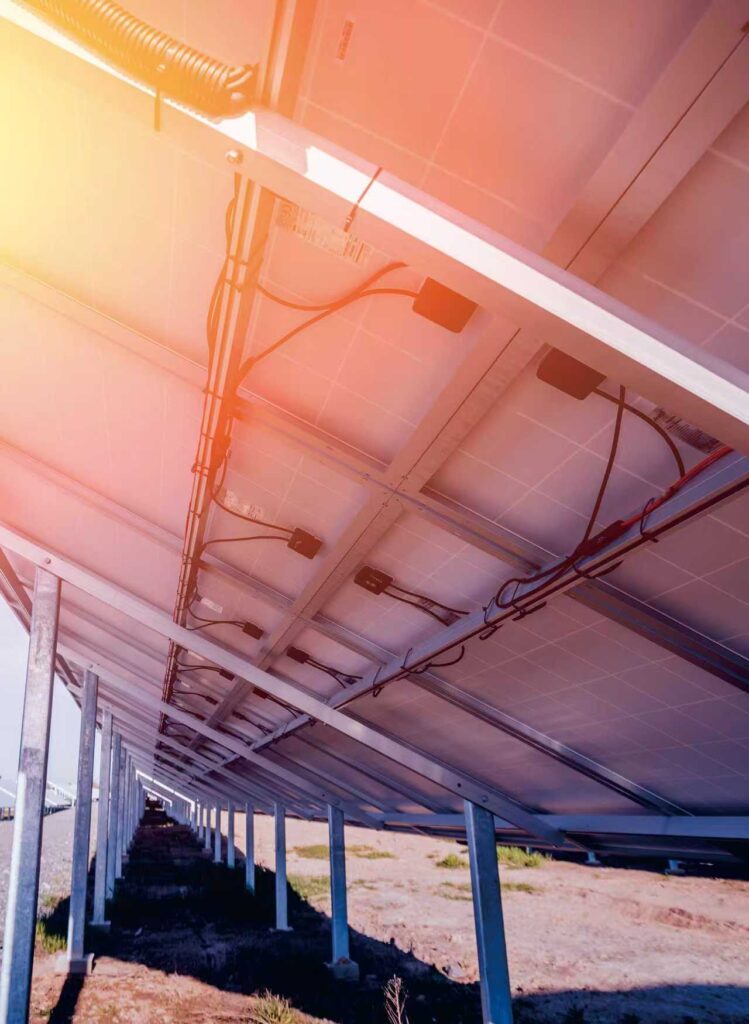
Solar cable ties are specially designed cable ties used in solar panel installations to fasten DC cables, grounding wires, and conduit systems to mounting structures. They are engineered for outdoor durability and long service life, often matching or exceeding the expected lifespan of solar panels.
Compared to general-purpose cable ties, solar cable ties focus on:
Long-1term stability
UV resistance
Weather durability
Mechanical strength
Key Features of Solar Cable Ties
UV Resistance
Solar installations are exposed to direct sunlight for years. Solar cable ties are typically UV-stabilized to prevent brittleness, cracking, and loss of tensile strength caused by prolonged UV exposure.
Weather and Temperature Resistance
Solar cable ties must perform reliably in hot summers, cold winters, and humid or rainy environments. High-quality ties maintain flexibility and strength across a wide temperature range.
High Tensile Strength
Strong holding force ensures cables remain securely fastened even under wind loads and vibration.
Flame Resistance
Many solar cable ties meet flame-retardant requirements, helping reduce fire risks in electrical installations.
Common Materials Used for Solar Cable Ties
UV-Resistant Nylon Cable Ties
UV-stabilized nylon cable ties are the most widely used option for solar installations.
Advantages include:
- Good balance of strength and flexibility
- Cost-effective for large-scale projects
- Easy installation
They are commonly used for:
- Rooftop solar systems
- Residential and commercial PV installations
- Cable routing along mounting rails
However, quality and UV additives vary, so outdoor-grade nylon is essential.
Stainless Steel Solar Cable Ties
For harsh or demanding environments, stainless steel solar cable ties provide superior durability.
Key benefits:
- Excellent UV, corrosion, and heat resistance
- Extremely high tensile strength
- Long service life
Stainless steel cable ties are often used in:
- Utility-scale solar farms
- Coastal or high-corrosion areas
- Industrial solar installations
They may be coated to protect cable insulation and reduce abrasion.
Typical Applications of Solar Cable Ties
Solar cable ties are widely used in:
- Securing DC cables beneath solar panels
- Fixing cables to aluminum mounting rails
- Organizing inverter and junction box wiring
- Managing grounding and bonding conductors
- Supporting cable routing in solar farms
Proper cable management helps prevent cable movement, insulation wear, and accidental disconnection.
How to Choose the Right Solar Cable Ties
When selecting solar cable ties, consider the following factors:
- Material: UV-resistant nylon or stainless steel depending on environment
- Width and length: Wider ties offer higher tensile strength
- Temperature rating: Match local climate conditions
- Installation location: Rooftop, ground-mounted, or offshore
- Compliance: Check applicable electrical or installation standards
Avoid using indoor-grade cable ties in outdoor solar systems, as they may fail prematurely.
Installation Tips and Best Practices
- Do not overtighten cable ties, as this may damage cable insulation
- Keep cables slightly spaced to allow heat dissipation
- Avoid sharp edges or metal contact points
- Inspect cable ties periodically during maintenance
- Replace aged or damaged ties during system upgrades
Correct installation improves both safety and long-term system performance.
Why Solar Cable Ties Matter for System Reliability
Poor cable management can lead to:
- Cable abrasion
- Reduced airflow
- Increased maintenance costs
- Potential electrical faults
Using appropriate solar cable ties helps ensure a clean layout, stable cable routing, and long-term reliability of the PV system.
Conclusion
Solar cable ties are an essential component of photovoltaic installations, designed to withstand outdoor exposure and demanding environmental conditions. Whether using UV-resistant nylon or stainless steel options, selecting the right solar cable ties ensures secure cable management, improved safety, and long-term system performance.
For any solar project, investing in suitable solar cable ties is a small decision that delivers significant long-term benefits.