
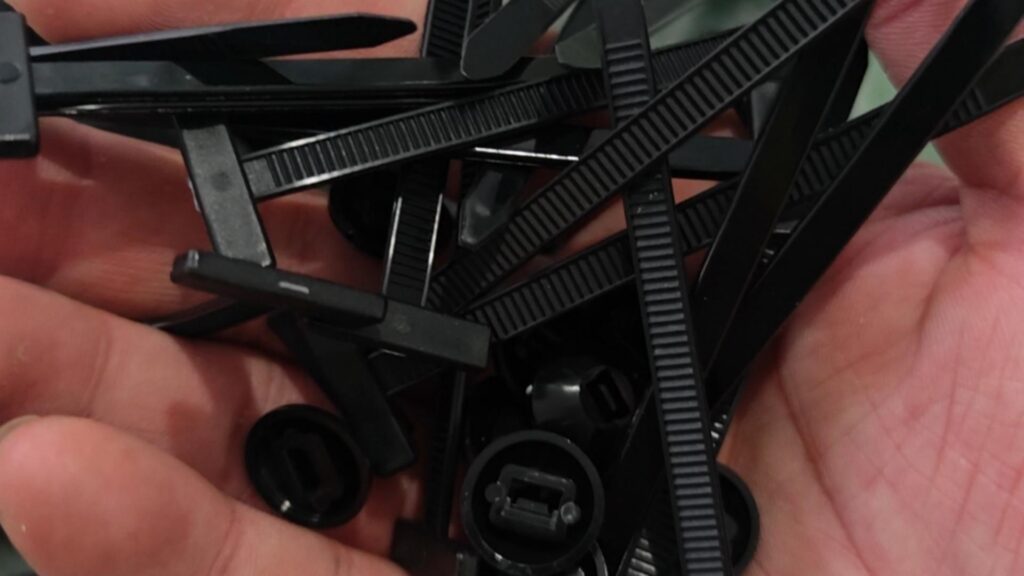
When organizing and securing automotive wiring harnesses, not all cable ties are created equal. Choosing the right cable ties for automotive wiring improves durability, reduces rattles, and prevents abrasion or harness strain. Mistakes in tie selection can lead to wire damage, loose harnesses, and frequent maintenance.
This guide explains the best cable tie types for automotive uses, including traditional nylon ties, snap-fastener styles designed for engine covers and liners, and when to choose heavy-duty or specialized options.
Table of Contents
ToggleWhat Makes Automotive Cable Ties Different?
Automotive environments are tougher than typical indoor applications. Wiring harnesses are exposed to:
High vibration
Heat from the engine and exhaust
Sharp edges on brackets and panels
Moisture and road contaminants
Because of this, automotive cable ties must be stronger, more heat resistant, and more reliable than generic zip ties.
Top Types of Cable Ties for Automotive Wiring
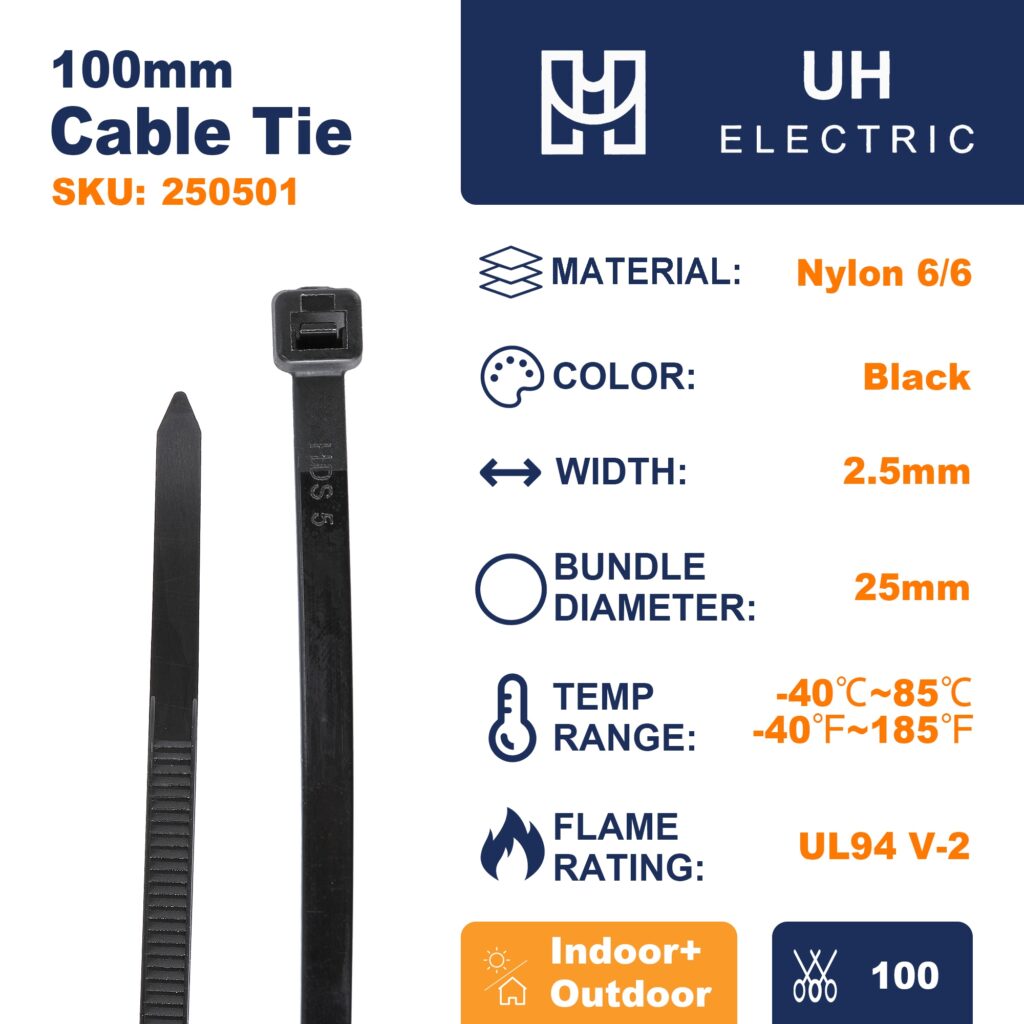
Standard Nylon Cable Ties
Good general-purpose choice for interior wiring and light harness management.
Examples:
Nylon Cable Ties 100‑Pack — basic nylon ties with reliable general performance.
Nylon Cable Tie Set — assorted set for different routing tasks.
Why they’re useful:
Flexible and easy to install
Affordable in bulk
Good for general harness bundling
Limitations:
Standard nylon can degrade under engine heat or UV exposure
Not ideal for harsh zones, under-hood, or vibration hotspots
Automotive-Specific Ties with Snap Fasteners
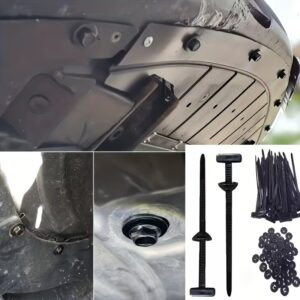
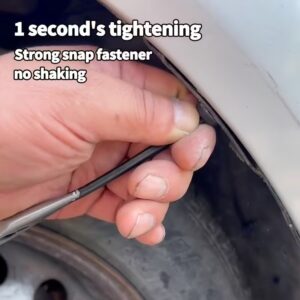
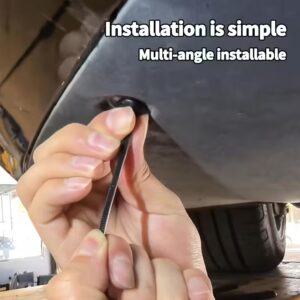
Snap-fastener cable ties combine traditional tie strength with a built-in mounting clip, making them excellent for automotive wiring where you need to secure harnesses to plastic panels, liners, or engine covers.
Example akin to your linked product:
Multi-purpose automotive cable ties with integrated snap fasteners that clip into existing holes on trunk lids, fender liners, and engine covers — ideal for neat, vibration-resistant wiring.
These ties eliminate the need for separate clips
Speed up installation and reduce parts count
Ensure wiring stays fixed in place without additional fasteners
They are especially useful for applications such as:
Engine bay harness routing
Plastic inner fender liners
Trunk wiring
Under-hood sensor loom retention
These perform better than regular ties when used in connection points rather than just wrapping bundles.

Heavy-Duty / UV-Resistant Automotive Cable Ties
For exterior harnesses, brake lines, or areas exposed to sun and road spray, UV-resistant and heavy-duty ties maintain strength longer.
Black UV-stabilized nylon ties reduce brittle cracking
Larger widths (e.g., 7.5–12 mm) offer higher tensile strength
Suitable around bumpers, headlight harnesses, and roof wiring
Example:
Automotive Zip Ties with Push Mount Fasteners — automotive-style push mount ties rated for vibration and outdoor exposure
When to Choose Snap-Fastener Cable Ties
Snap-fastener ties shine when you need:
Secure panel mounting without separate clips
Fastening wiring harnesses to existing mounting holes
Reducing components for cleaner installs
Repeatable serviceability (clips can be undone if designed that way)
They reduce the risk of:
Loose harnesses bouncing around
Cables rubbing against sharp metal edges
Wasted time installing separate clips + ties
Tips for Using Cable Ties in Automotive Wiring
To make your installation last:
Avoid over-tightening
Overly tight ties can deform cable insulation and lead to shorts or premature failure.Use edge protection where needed
When routing near sharp metal edges, add grommets or protective sleeves.Choose the right length and strength
Do not use tiny ties on large bundles — they will fatigue and break.Prefer UV-resistant ties for outdoor or under-hood use
Sunlight and engine heat accelerate nylon degradation.Install with proper tools
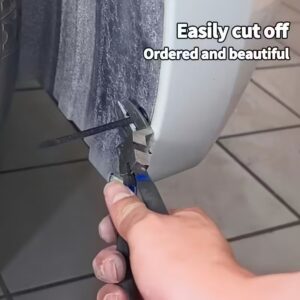
Tensioning tools give uniform tension and safer cuts.
Maintenance and Long-Term Reliability
Check cable ties periodically during service intervals. Look for:
Cracking or brittleness in nylon ties
Broken or loose snap clips
Loss of tension after heat cycles
Replacing a worn tie proactively prevents wiring chafing and avoids electrical faults.
Conclusion
Choosing the right cable ties for automotive wiring ensures that your harnesses stay secure, vibration doesn’t loosen connections, and cables are protected from heat and abrasion. Standard nylon ties are fine for simple interior routes, but automotive-specific snap fastener cable ties and UV-resistant heavy-duty options give the best performance for engine bays, panels, and exterior wiring.
Frequently Asked Questions
Find answers to common questions below.
Standard nylon cable ties work for interior harnesses, but automotive environments benefit from UV-resistant, heavy-duty, or snap-fastener ties for long life.
Most snap-fastener cable ties are single-use unless explicitly designed to release.
Yes — under-hood wiring needs ties that will not soften or crack under engine heat.