

- All Posts
- Blog
- Guide

Choosing the right cable ties for solar panel installation is more than selecting the cheapest option. Solar environments involve prolonged UV exposure, temperature swings, wind vibration, and moisture — all of which accelerate aging of inferior ties. Picking appropriate cable ties ensures clean cable routing, reduced maintenance, and long-term system reliability. This guide explains which cable tie types perform best on solar installations and why material properties matter for longevity. Why Standard Ties Fail in Solar Installations Standard nylon cable ties degrade quickly under UV and heat. Without stabilization, they become brittle, crack, and break — often within 6–12 months. For solar panel routing, where cables are exposed to sun, rain, dust, and temperature extremes, choosing the right cable ties is critical. Top Criteria for Solar Cable Tie Selection UV Resistance Solar installations are exposed to sunlight year-round. UV rays break down polymer chains in nylon, making ties brittle. Best Option: UV-stabilized nylon cable ties (usually black) — better longevity Ensure UV rating data is provided by manufacturer Temperature Tolerance Solar arrays experience wide temperature swings — hot sun, cool nights. Standard nylon: workable up to ~85°C UV-stabilized nylon: slightly better Metal cable ties (stainless steel): superior heat tolerance Strength and Width Cables exposed on racks need ties that resist vibration and wind stress. 4.8–7.5 mm nylon ties — general route 9.0–12 mm or higher — heavy bundles Higher tensile strength prevents loosening over time Material Choice: Nylon vs Stainless Steel Nylon Cable Ties Pros: Flexible, easy to install, low cost Cons: Limited heat resistance, UV still an issue unless stabilized Best Use: Short to mid-term installations, interior combiner boxes Stainless Steel Cable Ties Pros: Highest heat and UV resistance, corrosion resistance, long life Cons: Higher cost, requires tools for installation Best Use: Rooftops, solar racks, harsh outdoor environments Coated...
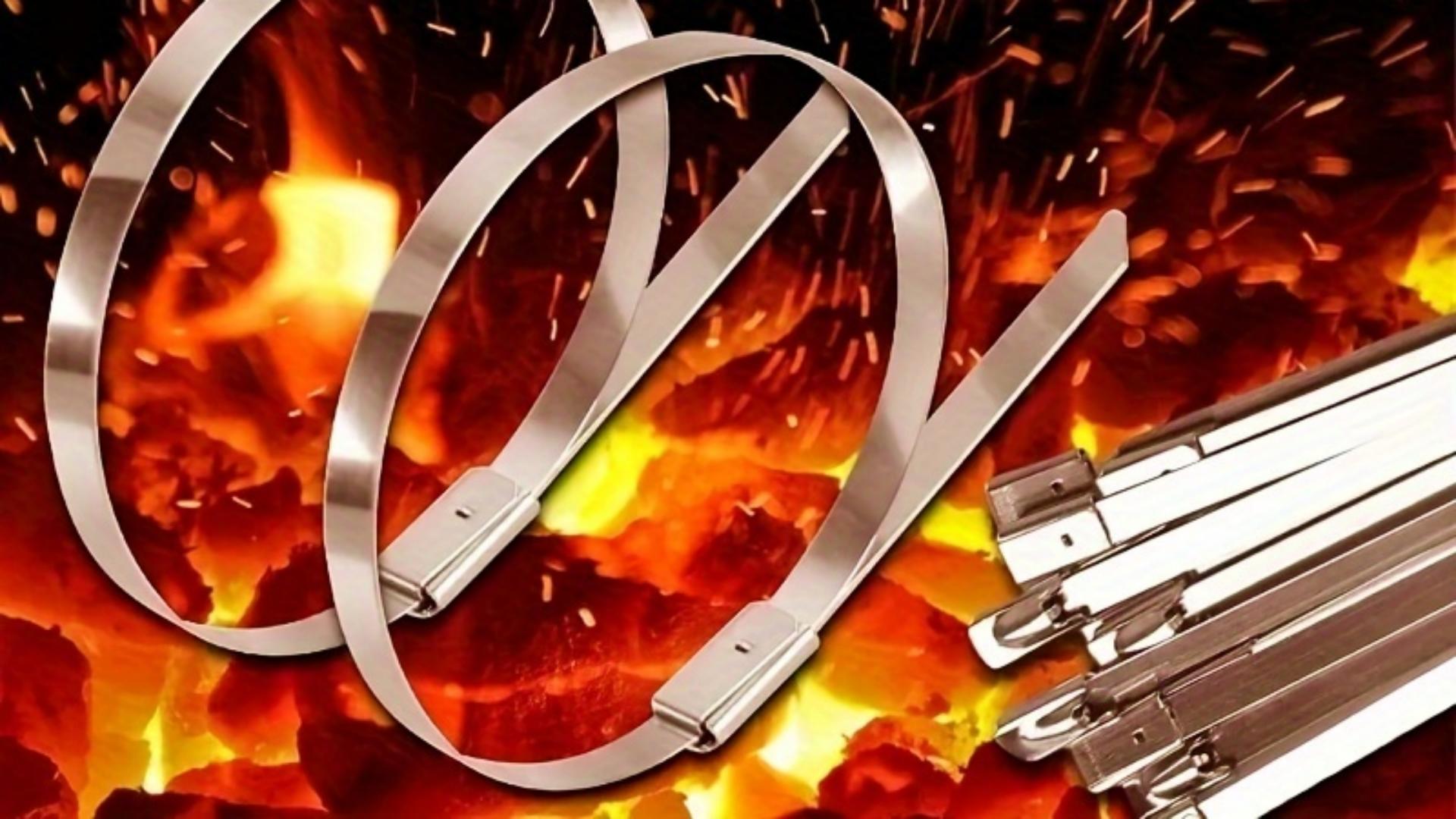
High heat is one of the fastest ways to cause cable tie failure. Standard nylon cable ties may soften, deform, or lose tensile strength when exposed to elevated temperatures, leading to loose bundles, damaged cables, or safety risks. If you are working in environments such as engine compartments, industrial machinery, power plants, or near heat-generating equipment, choosing the right high-temperature cable ties is critical for long-term reliability and safety. Understanding Heat Limits of Cable Ties Cable ties are typically rated by continuous operating temperature, not just short-term exposure. Exceeding this limit can cause material creep, brittleness, or sudden failure. Standard nylon cable ties usually perform well only in moderate indoor conditions. Once temperatures rise above normal operating ranges, specialized materials are required. Best Cable Tie Materials for High-Temperature Environments Heat-Stabilized Nylon Cable Ties Heat-stabilized nylon cable ties are made from modified Nylon 6/6 formulations that resist thermal aging. They are suitable for environments with sustained temperatures up to 120°C, making them ideal for electrical panels, industrial equipment, and automotive interiors where heat is present but not extreme. These ties offer a balance between cost, flexibility, and improved heat resistance compared to standard nylon cable ties. Stainless Steel Cable Ties For extreme heat conditions, stainless steel cable ties are the most reliable solution. They can withstand continuous temperatures of 500°C and above, depending on the grade, without softening or losing strength. Stainless steel cable ties are commonly used in: Engine compartments Exhaust systems Power generation facilities Chemical plants They also provide excellent resistance to corrosion, vibration, and UV exposure, making them suitable for harsh industrial environments. Stainless Steel Cable Tie Coated Stainless Steel Cable Ties When heat resistance is required but cable protection is also important, coated stainless steel cable ties offer an effective solution. The stainless steel core handles high...
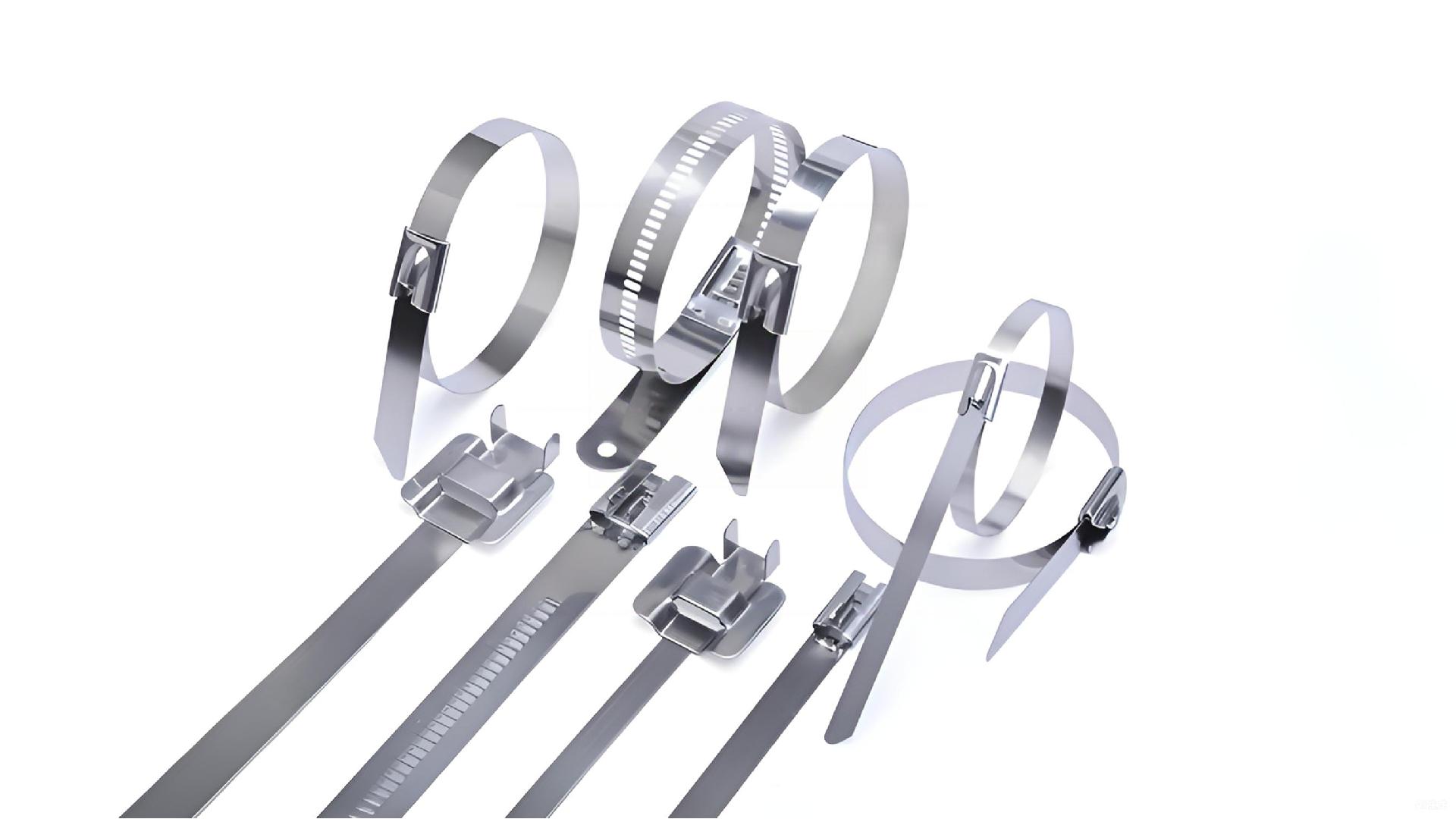
Stainless steel cable ties are chosen when nylon cable ties are no longer reliable—high temperature, UV exposure, corrosion, vibration, or long-term outdoor use all demand a stronger fastening solution. However, improper installation can lead to cable damage, wasted material, or safety risks. Knowing how to use stainless steel cable ties properly is essential to get their full performance without causing problems. This guide focuses on correct installation methods, tool usage, common mistakes, and best practices based on real-world applications. Understand When Stainless Steel Cable Ties Are Necessary Stainless steel cable ties are not meant to replace nylon ties in every situation. They are used when environmental or mechanical conditions exceed what plastic ties can handle. They are commonly used in: Outdoor and coastal environments High-temperature areas Chemical plants and industrial facilities Heavy vibration zones Long-term, maintenance-free installations Using stainless steel ties where nylon would suffice increases cost and installation effort unnecessarily. Choose the Correct Type Before Installation Before installation, confirm that the stainless steel cable tie matches the application. Key factors to check: Material grade (e.g., 304 or 316 stainless steel) Width and tensile strength suitable for the load Coated vs uncoated (coated ties protect cables from abrasion) Locking mechanism (ball-lock or ladder-lock designs) Selecting the wrong type often leads to cable damage or over-engineering. Prepare the Bundle or Object Properly Before tightening the tie: Align cables neatly Remove sharp edges from mounting surfaces Avoid crossing or twisting cables Ensure sufficient spacing to prevent pinching Stainless steel cable ties do not stretch like nylon. Once tightened, repositioning is difficult without cutting. Use the Right Installation Tool While stainless steel cable ties can be tightened by hand, a proper tensioning tool is strongly recommended, especially for industrial use. Correct tools allow you to: Apply consistent tension Prevent over-tightening Cut excess tail...