

- All Posts
- Blog
- Guide

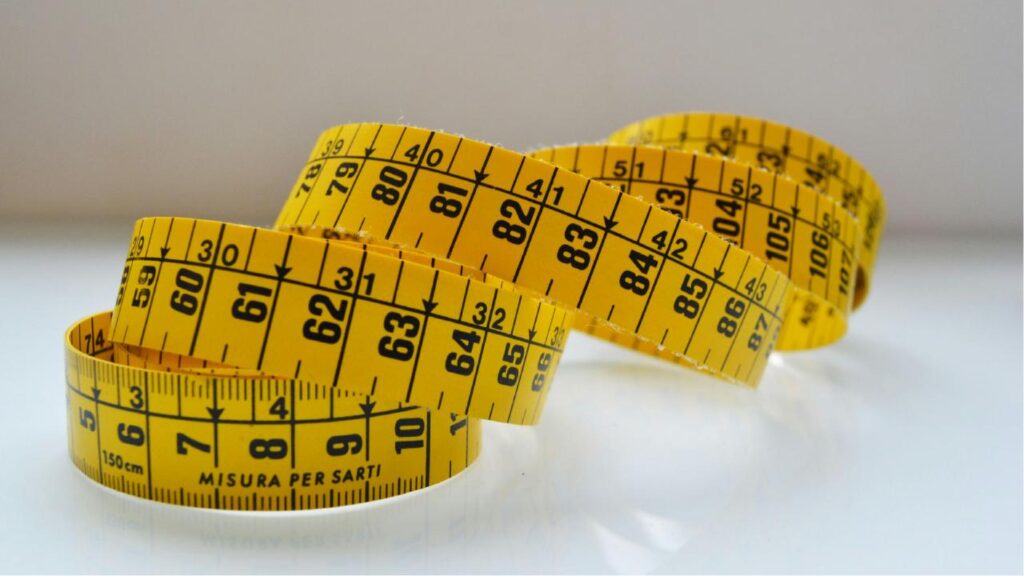
Buying the right nylon cable ties isn’t as simple as measuring the length and width of the items to be bundled. You also need to consider factors like usage conditions (allowing for a safety margin), price, material, UV resistance, temperature resistance, flame retardancy, and color. All of these factors will affect your ability to choose the right cable ties. Specialty nylon cable ties may be necessary in some cases, and it’s crucial to choose high-quality ties from ISO-certified manufacturers. Size Selection: Always Leave a Safety Margin When choosing nylon cable ties, avoid selecting ties that are exactly the same size as the object being bundled. A common mistake is choosing ties that are too large for the wire harness or conduit, which significantly reduces locking strength and increases the risk of breakage. Recommended practice: Measure the maximum diameter of the object being bundled. Select a cable tie with a length 1.2-1.3 times the maximum diameter of the object. Choosing the appropriate width is also important. For bundling heavier objects, requiring higher tensile strength, operating in vibration environments, or during long-term installations, wider nylon cable ties are necessary. Extra Long Cable Ties Tensile Strength: Match Strength to Application The tensile strength of nylon cable ties refers to the maximum tensile force the cable tie can withstand before breaking. Choosing the right strength doesn’t mean the wider the better; this may lead to wasted resources and increased costs. Recommended application scenarios for different cable tie models: Lightweight and mini cable ties: Signal cables, indoor wiring, wire harness marking, small wire harnesses; Medium and standard nylon cable ties: Electrical wiring organization, plastic flexible conduit organization, distribution panel fixing, tool fixing, etc.; these are also the most widely used cable ties. Heavy-duty cable ties and stainless steel cable ties: Industrial wiring, mechanical equipment, outdoor...

How to Loosen a Cable Tie? Most people have encountered this problem in their daily lives. When you need to Loosen a Cable Tie, it usually feels harder than when you install them. Cable ties are simple, inexpensive, and durable, but they also have a drawback: once tightened, many people cannot safely and efficiently remove them without damaging the cables or injuring themselves. This guide will help you solve this long-standing problem, providing solutions whether you need to loosen, cut, or remove cable ties without tools, or in emergency situations. At the end, we will also introduce cable tie recycling methods, as proper disposal is equally important. How to Loosen a Cable Tie (Safely & Cleanly) Most cable ties are designed for single use, which makes it challenging to loosen a Cable Tie without the right tools, which means it can be very difficult to open them again. Of course, we can safely remove the cable ties if we choose the right method. Method 1: Cut the cable ties using appropriate tools The safest and most effective way to remove cable ties is to use flat-nose pliers or electrician’s pliers to cut them short. (Do not use scissors or knives to cut cable ties, as their openings are very sharp and can easily damage the bundled items.) We should grip the bundle firmly, leaving a certain gap between the cable tie and the bundle, and then use flat-nose pliers to make a flat cut at the gap. This avoids the sharp edges from scratching the wires or other bundles and causing unnecessary damage. Method 2: Loosen the reusable cable tie. If the cable tie is clearly marked with “releasable” or “reusable,” there is usually a small release button at the lock head, as shown in the picture below: Simultaneously pull...

Custom cable tie cost? When buyers consider customized cable ties, the first question is always the same.Unlike standard ties, the price of a custom cable tie depends on several variables—material, moulding requirements, order quantity, colour type, printing methods, and quality standards. This article breaks everything down in a practical, procurement-friendly way, helping you understand the real structure behind custom cable tie cost before contacting any supplier. Why Custom Cable Ties Cost More Than Standard Ones Customizing cable ties—whether nylon or stainless steel—requires adjustments in either manufacturing, moulding, or post-processing. Even small customizations can influence price because: Cable ties are mass-produced with fixed moulds Any change in colour, length, width, or printing interrupts standard production Non-standard specifications typically require higher MOQs Set-up costs must be spread over quantity This means custom cable tie pricing is predictable once you understand each cost factor. Use Case Scenarios That Affect Pricing Branding & Identification Companies needing brand-coloured ties, serial numbers, QR codes, or company logos must include printing or pigment mixing costs. Industrial Safety Requirements Factories in electrical, construction, and HVAC industries may require flame-retardant, UV-resistant, metal-detectable, or high-temperature materials. Product Bundling Retail-ready packs, colour assortments, and custom packaging all add labour and material costs. Cost Breakdown: What Determines Custom Cable Tie Cost? Quantity (MOQ and price tiers) Quantity is the largest cost driver. Because the setup cost is fixed, pricing drops sharply at higher volumes. Order Quantity Cost Impact Why ≤10,000 pcs Highest Setup cost split over fewer units 10,000–50,000 pcs Medium More efficient production run 50,000–200,000 pcs Lower Stable per-unit cost 200,000+ pcs Lowest Full-line efficiency, economies of scale Rule: Low quantity = expensive per unit. Colour (standard vs. custom pigments) Most colours require pigment mixing, extra purging of machines, and downtime.Cost varies by colour type: Colour Type Example Cost Impact Standard...