



- All Posts
- Blog
- Guide

Stainless steel cable ties are multifunctional fixing and binding tools widely used in various industries and fields. Made of stainless steel, they are characterized by corrosion resistance, high temperature resistance, and high strength. This article will discuss the specifications, applications, and selection methods of cable ties. Cable tie specifications: 1. Length: Cable ties typically range from 100mm to 1000mm in length, with custom lengths available upon request. 2. Width: Cable ties generally range from 4.6mm to 12mm in width, with different widths suitable for different sizes of restraints. 3. Material: Cable ties are primarily made of stainless steel (usually 304 or 316 grade) to ensure corrosion resistance and high-temperature resistance. 4. Surface Treatment: Some cable ties have additional surface treatments, such as nylon sheaths or coatings, to provide extra protection or reduce friction. 5. Tensile Strength: The tensile strength of cable ties is a key parameter, typically ranging from 50 lbs (approximately 22.68 kg) to 250 lbs (approximately 113.4 kg). 6. Locking Mechanism: Stainless steel cable ties typically employ ball locks or self-locking mechanisms with lugs to secure the ties and ensure they remain in the correct position. Application areas of cable ties 1. Electrical and Electronics Industry: Used for bundling wires and cables to neatly and safely organize electrical wiring. 2. Food and Pharmaceutical Industry: Used in environments with stringent hygiene requirements, such as securing and bundling food processing and pharmaceutical equipment. 3. Machinery and Manufacturing Industry: Used for securing, bundling, and fixing mechanical components, such as pipes, pipe supports, and equipment. 4. Environmental Protection and Water Treatment: Used for securing and bundling water treatment equipment, pipes, and pipelines. 5. Automotive and Transportation: Used in automobile manufacturing and repair, securing exhaust systems, wiring harnesses, and parts. Factors to consider when choosing stainless steel cable ties 1. Application Environment: Determine...

Cable management has become essential across industries ranging from automotive and electrical work to HVAC, facilities maintenance, and large-scale industrial manufacturing. While cable ties (often called “zip ties” in North America) have been widely adopted for decades, the tools used to install them have evolved from basic manual tightening to precise tensioning and controlled cutting. Among these tools, the Zip Tie Gun and the Cable Tie Gun are the two most commonly searched and referenced terms by technicians, DIY users, and procurement departments alike. Although many users assume both terms describe the same tool, there are notable differences in usage, terminology, and material compatibility—especially when stainless steel cable ties enter the conversation. Additionally, less commonly searched tools like cable tie tensioning tools, cable tie tightening tools, and cable tie installation tools each serve distinct functions in certain industrial scenarios. When working with stainless steel ties, more specialized tools such as stainless steel cable tie guns, metal cable tie tools, and steel cable tie tensioners ensure the necessary tension and cutting force. This guide compares these tools, explains how each is used, and offers practical recommendations on choosing the right cable tie installation tool for different applications. Stainless steel cable tie tensioning tool Zip Tie Gun: The Most Common Term in North America The term Zip Tie Gun is widely recognized and dominates search demand across North America. This terminology aligns with the common use of “zip tie” as a synonym for nylon cable tie, especially in consumer and DIY contexts. A Zip Tie Gun automates two core steps: Tightening the tie around a wiring bundle Cutting excess tail cleanly once tension is reached For nylon ties, this produces a flush cut that reduces sharp edges and ensures consistent tension across installations. The result is cleaner cable management and minimized risk...
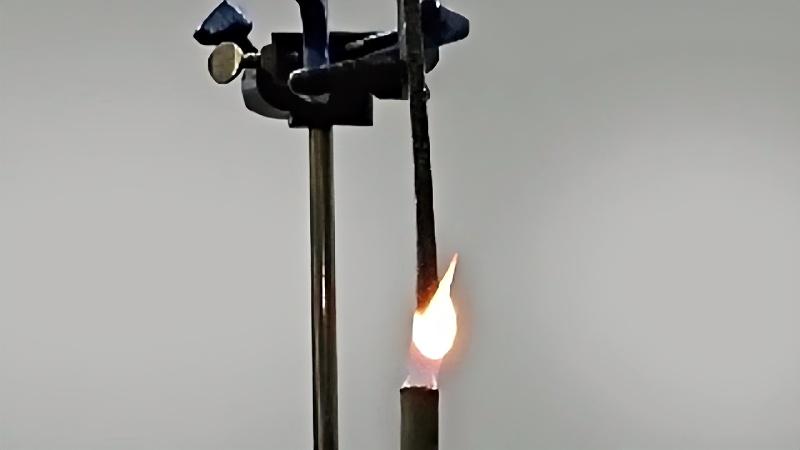
UL 94 V2 Flame Retardant Rating is a standardized classification for evaluating the flammability of polymer materials used in devices and component assemblies. For cable ties, flame retardancy is a critical safety requirement in electrical systems, automotive applications, power distribution, and enclosed environments where ignition and fire propagation must be minimized. The UL94 standard classifies how materials burn when exposed to flame in both vertical and horizontal orientations, determining the material’s ability to self-extinguish and prevent dripping. UL94 Rating Categories Relevant to Cable Ties While UL94 includes several grades, the most relevant for cable tie applications are: Rating Test Orientation Behavior Requirement UL 94 HB Horizontal Slow burning rate UL 94 V2 Vertical Flame self-extinguishes; drips allowed UL 94 V1 Vertical Faster self-extinguishing; no flaming drips UL 94 V0 Vertical Most stringent; fastest extinguishing; no flaming drips For industrial cable ties, UL 94 V2 and UL94 V0 are the most commonly supplied specifications due to safety compliance in electrical and OEM systems. Material Impact on Flame Retardancy Cable tie flame performance depends strongly on formulation: Material / Grade UL94 Behavior PA66 Standard Typically UL94 HB or no rating PA66 Flame Retardant Can achieve V-2 / V-0 with additives Heat-Stabilized Nylon Often V-2 UV-Stabilized Nylon Performance varies; not necessarily fire-rated Stainless Steel Non-combustible Stainless steel cable ties do not require UL94 classification because metallic materials do not support combustion, making them ideal in high-risk environments such as tunnels, offshore platforms, utilities, and petrochemical installations. Application Relevance UL94 ratings are mandatory or preferred in: Electrical control panels EV/automotive wiring harnesses Consumer electronics Rail & metro infrastructure Power distribution systems Telecommunications & data centers Building HVAC systems Aerospace & aviation cabling In confined or cable-rich environments, flame retardant performance significantly reduces risk of propagation during electrical shorts or thermal overload. Testing Principles UL94 tests...