
Selection Guide for Cable Ties Used in Outdoor Solar Installation
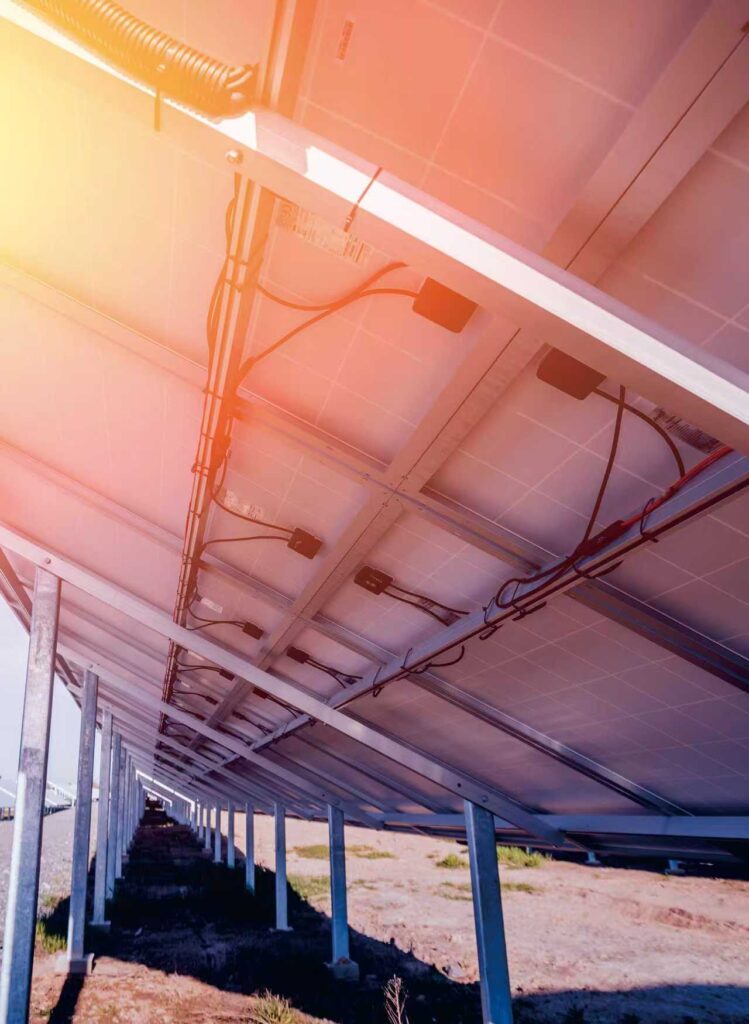
Outdoor solar installations operate in some of the most demanding environments for cable management. Long-term exposure to sunlight, temperature fluctuations, wind, moisture, and mechanical stress means that ordinary cable ties are often not suitable for photovoltaic (PV) systems. Selecting the right cable ties for outdoor solar installation is essential for system reliability, safety, and long service life. This guide explains how to choose the appropriate cable ties for outdoor solar projects, focusing on real installation conditions and practical selection criteria. Understanding Outdoor Solar Installation Environments Unlike indoor electrical systems, outdoor solar installations face continuous environmental stress. Common conditions include: Cable ties used in these environments must perform reliably for many years, often matching the lifespan of the solar panels themselves. UV Resistance: A Critical Requirement UV resistance is one of the most important factors when selecting cable ties for outdoor solar installation. Standard nylon cable ties without UV stabilization can become brittle, fade, and crack after prolonged sun exposure. For solar applications, cable ties should be made from UV-resistant nylon 6/6 or other materials designed for outdoor use. Black UV-stabilized cable ties are commonly used, but UV-resistant colored or green cable ties may also be suitable when properly specified. Using non-UV-resistant ties can lead to cable loosening, failure, or safety hazards over time. Temperature Range and Thermal Stability Solar installations often experience wide temperature variations. Rooftop PV systems can reach very high temperatures during the day and cool rapidly at night. When selecting cable ties, consider: High-quality nylon cable ties designed for solar use typically offer a wide temperature range and maintain tensile strength under thermal stress. Material Selection: Nylon vs Stainless Steel Material choice plays a key role in outdoor solar installations. Nylon cable ties Stainless steel cable ties For many residential and commercial solar projects, UV-resistant nylon cable ties are sufficient. Stainless steel cable ties are often used in utility-scale installations or extreme environments. Installation Type: Roof-Mounted vs Ground-Mounted Systems Different solar installation types require different cable tie considerations. Roof-mounted solar systems Ground-mounted solar systems Ground-mounted systems may require wider or stronger cable ties to withstand movement and vibration over time. Cable Routing and Fixing Methods Cable ties are not only used for bundling cables but also for fixing them to rails, frames, or support structures. When selecting cable ties for outdoor solar installation, consider: Proper routing and fastening reduce mechanical stress on PV cables and help maintain a clean, professional installation. Common Mistakes in Solar Cable Tie Selection Some frequent selection errors include: Avoiding these mistakes improves system reliability and reduces maintenance costs. Practical Selection Checklist Before choosing cable ties for outdoor solar installation, confirm: A systematic selection approach ensures long-term performance. Conclusion Selecting the right cable ties for outdoor solar installation is a small but critical part of building reliable photovoltaic systems. By understanding environmental conditions, material options, and installation requirements, installers and project managers can make informed choices that support safety, durability, and long-term system performance. Well-chosen cable ties contribute to clean cable routing, reduced failure risk, and professional solar installations that last.
Value and Application of Green and Coloured Cable Ties in Site Management
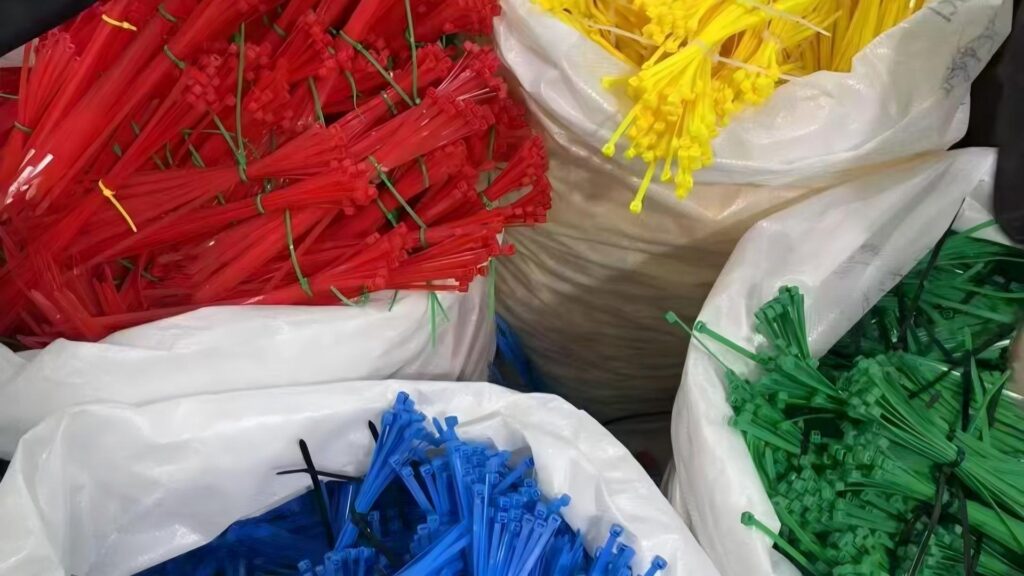
In modern site management, organization, safety, and efficiency are critical. Whether on construction sites, industrial plants, warehouses, or electrical installation projects, cable management plays a surprisingly important role. Among the many small tools used on-site, green and coloured cable ties stand out as simple but highly effective solutions for visual identification, organization, and workflow optimization. While standard black or natural cable ties are widely used, coloured cable ties offer additional value that goes far beyond basic bundling. This article explores the practical value and real-world applications of green and coloured cable ties in site management. Why Colour Matters in Site Management Site environments are often complex, busy, and fast-moving. Multiple teams may work simultaneously on electrical wiring, plumbing, HVAC systems, data cabling, or temporary installations. In such conditions, visual clarity becomes essential. Coloured cable ties provide instant visual identification, allowing workers and supervisors to quickly distinguish between different cable groups without reading labels or stopping work. This reduces confusion, speeds up inspections, and minimizes the risk of errors. Green cable ties, in particular, are frequently associated with environmental systems, grounding, safety lines, or renewable energy applications, making them especially useful on modern sites. Common Applications of Green Cable Ties Green cable ties are widely used in specific scenarios where color association improves clarity: Applications of Coloured Cable Ties in Site Management Beyond green, coloured cable ties in red, blue, yellow, white, or mixed colors are widely used for structured site management. This color-based system significantly improves efficiency, especially in large-scale or long-term projects. Benefits of Using Coloured Cable Ties on Sites Using green and coloured cable ties offers several practical advantages: Material Considerations for Site Use For site management applications, coloured cable ties are typically made from nylon 6/6, offering good tensile strength, flexibility, and durability. For outdoor or harsh environments, UV-resistant versions are recommended to prevent color fading and material degradation. In high-temperature or corrosive environments, stainless steel cable ties or specially coated ties may be more suitable, although standard coloured nylon ties remain the most common choice for general site organization. Choosing the Right Coloured Cable Ties When selecting green or coloured cable ties for site management, consider the following factors: Choosing the correct specifications ensures long-term performance and consistent visual identification. Conclusion Green and coloured cable ties may seem like minor accessories, but their value in site management is significant. By improving visual organization, enhancing safety, and streamlining daily operations, they help create cleaner, more efficient, and more professional worksites. Whether used for grounding systems, solar installations, cable classification, or maintenance management, green and coloured cable ties are practical tools that support better site control and operational efficiency.
How to Identify a High-Quality Cable Tie Manufacturer? Watch These Three Criteria
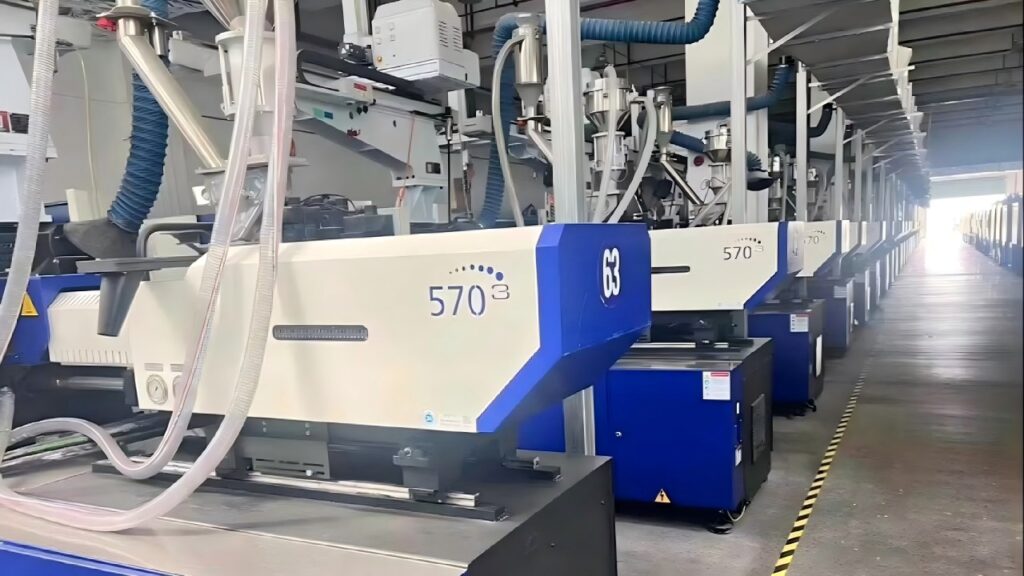
With countless cable tie suppliers available globally, identifying a truly high-quality cable tie manufacturer can be challenging. Product photos and low prices may look attractive, but they do not always reflect material quality, production capability, or long-term reliability. For distributors, project contractors, and industrial buyers, choosing the right manufacturer is critical to product performance, compliance, and customer satisfaction. This guide highlights three key criteria to help you evaluate and identify a high-quality cable tie manufacturer with confidence. Criterion 1: Material Quality and Production Consistency A reliable cable tie manufacturer starts with material control. Raw Material Selection High-quality cable ties are typically made from: Manufacturers using recycled or mixed-grade materials may offer lower prices, but this often leads to: A trustworthy manufacturer should be transparent about material sources and grades. Manufacturing Process Control Beyond materials, production consistency is equally important. Key indicators include: Inconsistent production often results in uneven thickness, weak locking heads, or variable strap strength—all signs of poor quality. Criterion 2: Quality Testing and Compliance Standards High-quality manufacturers validate their products through testing and standards, not just visual inspection. Mechanical and Performance Testing Professional manufacturers regularly test: Consistent test records demonstrate a manufacturer’s commitment to quality, not just output volume. Certifications and Compliance While certifications alone do not guarantee quality, they provide a baseline of reliability. Common indicators include: A high-quality cable tie manufacturer understands regulatory requirements and can support documentation when needed. Criterion 3: Engineering Capability and Application Knowledge A strong manufacturer does more than produce cable ties—it understands how they are used. Product Range and Application Coverage Experienced manufacturers usually offer: A limited or generic product range may indicate a trading company rather than a true manufacturer. Technical Support and Selection Guidance High-quality manufacturers can: This level of guidance reduces product failure and long-term costs for buyers. Additional Signs of a Reliable Cable Tie Manufacturer Additional Signs of a Reliable Cable Tie Manufacturer Beyond the three core criteria, additional indicators include: Manufacturers who focus on long-term partnerships tend to invest more in quality and service. Common Red Flags to Watch Out For When evaluating cable tie manufacturers, be cautious of: These warning signs often indicate unstable quality or limited manufacturing control. Why Manufacturer Quality Matters Low-quality cable ties may result in: Choosing a high-quality cable tie manufacturer reduces risk and ensures consistent performance across applications. Conclusion Identifying a high-quality cable tie manufacturer requires looking beyond price and appearance. By focusing on material quality and production consistency, testing and compliance, and engineering and application knowledge, buyers can make informed decisions and build reliable supply partnerships. A manufacturer that meets these three criteria is far more likely to deliver consistent quality, technical reliability, and long-term value.
From Length to Width: Detailed Specs of Cable Ties and Selection Tips
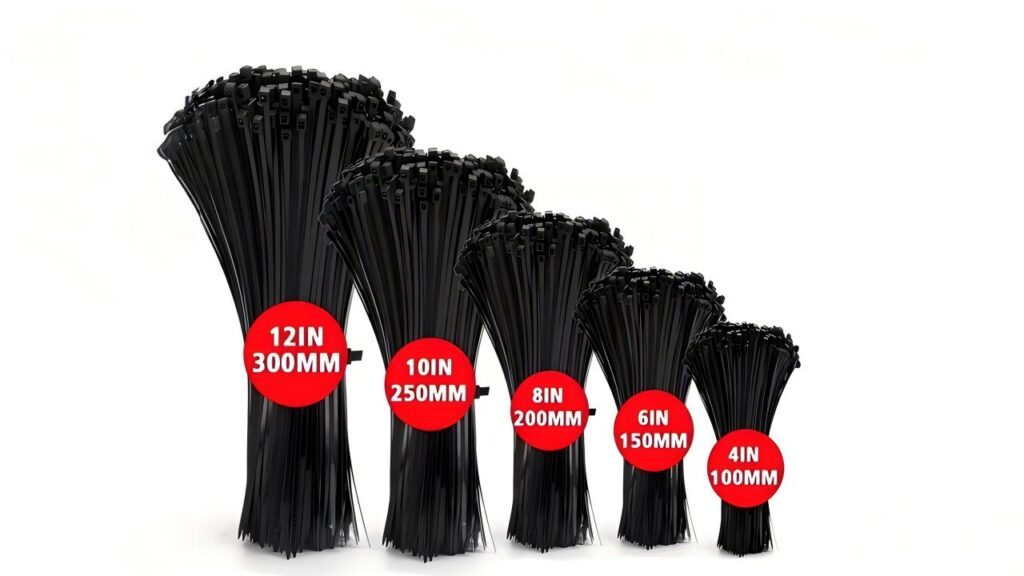
Cable ties may look simple, but their performance depends heavily on correct sizing and specification. Choosing the wrong length or width can result in insufficient holding strength, poor durability, or even cable damage. For electrical, industrial, and outdoor applications, understanding cable tie specifications is essential. This guide explains cable tie dimensions in detail—from length and width to tensile strength—and provides practical selection tips to help users choose the right cable ties for different applications. Understanding Cable Tie Length Cable tie length refers to the total length of the tie when laid flat, usually measured in millimeters or inches. Length determines the maximum bundle diameter a cable tie can secure. Common cable tie lengths include: How to choose the right length: Shorter ties are suitable for small wire bundles, while longer ties are used for thick cables, pipes, or structural fastening. Cable Tie Width and Its Importance Width is one of the most critical specifications of a cable tie, as it directly affects tensile strength. Typical cable tie widths: Why width matters: For industrial or outdoor use, wider cable ties are usually preferred. Tensile Strength Explained Tensile strength indicates the maximum pulling force a cable tie can withstand before breaking, typically measured in newtons (N) or kilograms-force (kgf). As a general rule: For example: Always select a tensile strength higher than the expected load to maintain safety margins. Thickness and Locking Head Design Although less visible, thickness and locking head structure also influence performance. Key considerations include: High-quality cable ties maintain consistent thickness along the strap and precise tooth engagement in the locking mechanism. Material Specifications and Their Impact Cable tie material affects size selection and performance. Material choice should align with both size and environmental requirements. Color and Special Specification Options Color is not just aesthetic—it can be functional. Common uses include: Special specification cable ties may also include: Practical Cable Tie Selection Tips When selecting cable ties, consider the following steps: Proper selection reduces maintenance needs and improves long-term reliability. Common Sizing Mistakes to Avoid Correct sizing improves safety and efficiency. Conclusion From length to width, every specification of a cable tie affects its performance and suitability. Understanding cable tie dimensions, tensile strength, and material properties allows users to make informed decisions and select the right product for each application. Proper sizing not only ensures secure fastening but also extends service life and improves overall system reliability.
How to Size an MCB for Home PV Systems
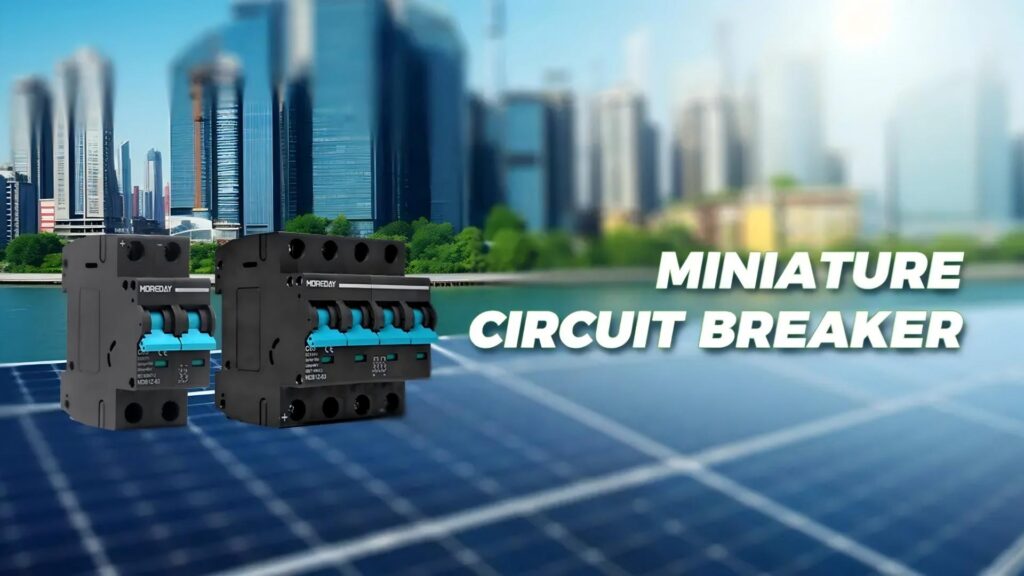
Correctly sizing an MCB (Miniature Circuit Breaker) is a critical step when designing or installing a home photovoltaic (PV) system. An undersized MCB may trip frequently, while an oversized one may fail to provide adequate protection, increasing the risk of cable damage or fire. This guide explains how to size an MCB for home PV systems, covering basic principles, calculation methods, and key safety considerations to help ensure reliable and compliant system operation. What Is an MCB and Why Is It Important in PV Systems? An MCB is a protective device designed to automatically disconnect a circuit in the event of overload or short circuit. In home PV systems, MCBs are commonly used on: The main purpose of an MCB is to protect cables and equipment, not the solar panels themselves. Key Factors That Affect MCB Sizing When selecting an MCB for a home PV system, several factors must be considered: Ignoring any of these factors may result in improper protection. Step 1: Determine the Maximum Circuit Current The first step in sizing an MCB is calculating the maximum current of the circuit. For DC Side (PV Array) The DC current is usually based on the short-circuit current (Isc) of the solar panels. A common design rule is: MCB current rating ≥ 1.25 × Isc This accounts for continuous operation and safety margins under high irradiance conditions. Example:If the PV string Isc is 10 A, the minimum MCB rating should be: For AC Side (Inverter Output) On the AC side, the current is calculated based on inverter power output. Formula: Current (A) = Power (W) ÷ Voltage (V) Example:For a 5 kW single-phase inverter at 230 V: Applying a safety margin: Step 2: Match the MCB to the Cable Size The MCB must always protect the cable. This means: MCB rating ≤ cable current-carrying capacity If the MCB rating is higher than the cable can safely carry, the cable may overheat before the breaker trips. Always verify: Cable selection and MCB sizing must be coordinated. Step 3: Select the Correct MCB Type and Curve DC vs AC MCB Never substitute an AC MCB for DC applications unless explicitly rated for DC use. Tripping Curve (B, C, or D) For home PV systems: Type C MCBs are often preferred for PV inverters. Step 4: Consider Voltage Rating and Poles Ensure the MCB voltage rating meets or exceeds system voltage. Always follow local electrical codes. Common Mistakes to Avoid These mistakes can reduce system safety and reliability. Standards and Compliance Considerations MCB selection should align with applicable standards, such as: Compliance ensures both safety and easier inspection approval. Conclusion Sizing an MCB for a home PV system requires careful consideration of current, cable capacity, voltage rating, and system characteristics. By correctly calculating circuit current, applying appropriate safety margins, and selecting the correct MCB type, homeowners and installers can ensure safe, reliable, and long-lasting PV system performance. Proper MCB sizing is not just a technical detail—it is a fundamental safety requirement for any home solar installation.
What Is the Use of Cable Ties?
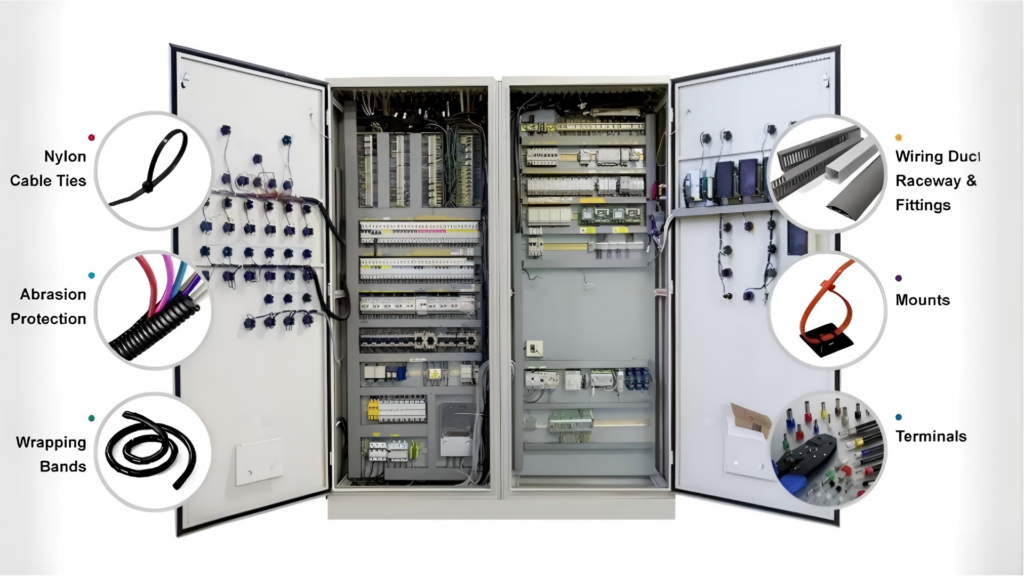
Cable ties, also known as zip ties, are simple fastening tools widely used to bundle, secure, and organize cables, wires, and other components. Despite their simple design, cable ties have become an essential accessory across many industries due to their versatility, ease of use, and low cost. From household organization to industrial installations, cable ties serve many practical purposes. This article explains the common uses of cable ties, where they are applied, and why they are so widely relied upon. Basic Purpose of Cable Ties The primary use of cable ties is to bundle and secure items together. Once tightened, a cable tie locks in place and holds objects firmly without loosening under normal conditions. Their one-way locking mechanism allows for: This makes cable ties an efficient solution for both temporary and long-term fastening needs. Cable Ties in Electrical and Wiring Applications One of the most common uses of cable ties is in electrical installations. Cable ties are used to: Proper cable management improves safety, airflow, and ease of maintenance, especially in commercial and industrial environments. Cable Ties for Home and Office Organization In homes and offices, cable ties help create tidy and functional spaces. Common household and office uses include: Reusable cable ties are often preferred in these settings because they allow easy adjustments. Cable Ties in Industrial Applications In industrial environments, cable ties are used for much more demanding tasks. Typical industrial uses include: Heavy-duty nylon and stainless steel cable ties are commonly selected for their strength, heat resistance, and durability in harsh conditions. Outdoor and Construction Uses of Cable Ties Cable ties are widely used outdoors due to their convenience and weather resistance when properly selected. Outdoor applications include: UV-resistant cable ties are essential for long-term outdoor use to prevent degradation from sunlight. Cable Ties in Automotive and Transportation In automotive and transportation industries, cable ties help manage wiring and components exposed to vibration and movement. They are used to: Heat-resistant and vibration-resistant cable ties are commonly used in these applications. Specialty Uses of Cable Ties Beyond standard applications, cable ties are also used for specialized purposes. Examples include: These specialty cable ties support compliance with industry regulations and safety standards. Why Cable Ties Are So Widely Used Cable ties remain popular because they offer: Their adaptability makes them one of the most commonly used fastening accessories worldwide. Conclusion The use of cable ties extends far beyond simple cable bundling. From electrical systems and industrial machinery to home organization and outdoor installations, cable ties provide a reliable, efficient, and versatile fastening solution. By selecting the right type of cable tie for each application, users can improve safety, organization, and long-term performance. Understanding what cable ties are used for helps ensure they are applied correctly and effectively in any environment.
What Are the Best Cable Ties for Industrial Applications?
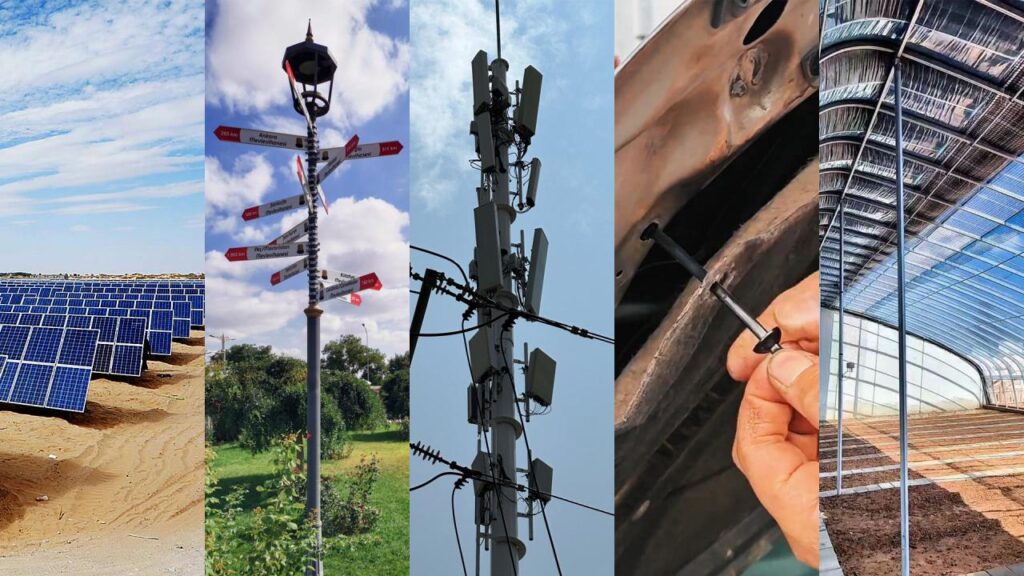
Industrial applications place far greater demands on cable ties than household or office use. In factories, power plants, construction sites, and infrastructure projects, cable ties must withstand harsh environments, heavy loads, extreme temperatures, and long-term exposure to chemicals or UV radiation. Choosing the best cable ties for industrial applications is critical for safety, reliability, and maintenance efficiency. This guide explores the most suitable types of cable ties for industrial use, the materials they are made from, and how to select the right option for different environments. What Makes a Cable Tie Suitable for Industrial Use? Not all cable ties are designed for industrial conditions. Industrial-grade cable ties typically offer: The right cable tie depends on the specific working environment and application requirements. Stainless Steel Cable Ties – The Heavy-Duty Standard Stainless steel cable ties are widely considered the best option for demanding industrial applications. Why stainless steel cable ties are ideal for industry: Common materials include 304 stainless steel for general industrial use and 316 stainless steel for marine, chemical, or coastal environments. Typical industrial applications: For added protection, coated stainless steel cable ties are often used to prevent abrasion of sensitive cables. Heavy-Duty Nylon Cable Ties for Industrial Environments High-quality nylon cable ties are still widely used in industrial settings, especially where flexibility and cost efficiency are important. Key features of industrial nylon cable ties: Industrial-grade nylon cable ties are commonly used in: UV-stabilized nylon cable ties are essential for outdoor or sun-exposed industrial installations. Heat-Resistant Cable Ties for High-Temperature Areas In environments with elevated temperatures, standard nylon cable ties may soften or lose strength. Heat-resistant cable ties are designed for these conditions. Typical materials include: These cable ties are suitable for: They help maintain cable integrity where temperature fluctuations are frequent. Flame-Retardant Cable Ties for Safety-Critical Installations Fire safety is a major concern in industrial facilities. Flame-retardant cable ties are designed to slow flame spread and meet relevant fire safety standards. Common applications include: These cable ties are often required by regulations in safety-critical environments. Metal-Detectable Cable Ties for Food and Pharmaceutical Industry In industries such as food processing and pharmaceuticals, foreign object detection is essential. Metal-detectable cable ties are designed to be identified by detection systems. They are commonly used in: This helps reduce contamination risks and supports compliance with hygiene standards. How to Choose the Best Cable Ties for Your Industrial Application When selecting industrial cable ties, consider the following factors: Using the wrong cable tie may lead to premature failure and increased maintenance costs. Installation Best Practices for Industrial Cable Ties Proper installation extends service life and improves system reliability. Conclusion The best cable ties for industrial applications depend on the operating environment and performance requirements. Stainless steel cable ties are the preferred choice for extreme conditions, while industrial-grade nylon cable ties remain effective for many indoor and controlled environments. Specialized cable ties, such as heat-resistant or flame-retardant options, further enhance safety and durability in demanding industries. Selecting the right industrial cable ties ensures long-term performance, safety, and cost efficiency across industrial systems.
Solar Cable Ties – Reliable Cable Management for Solar Installations
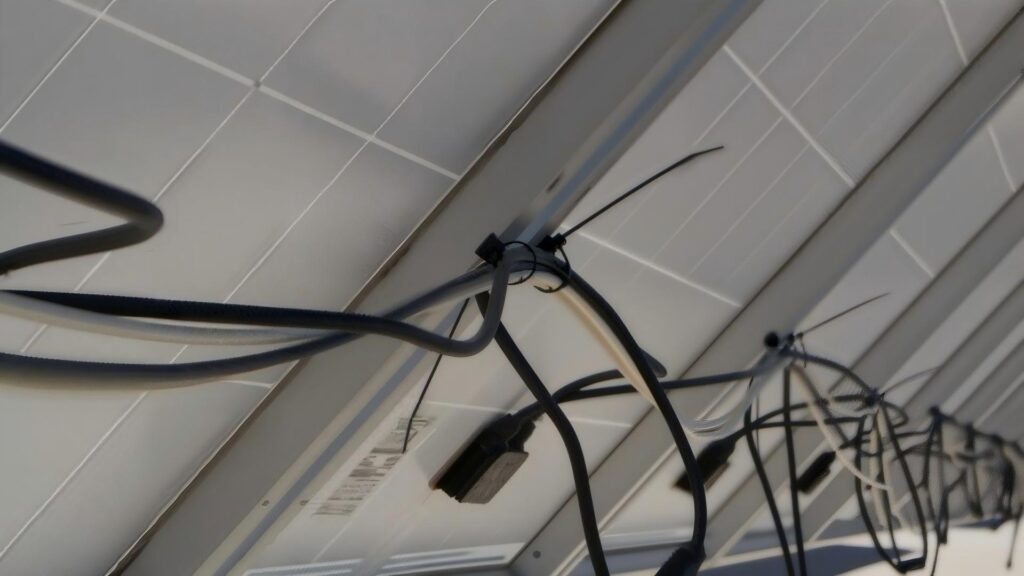
Solar cable ties play a critical role in photovoltaic (PV) systems by securing and organizing cables in outdoor and high-exposure environments. Unlike standard cable ties used indoors, solar cable ties must withstand long-term sunlight, temperature fluctuations, moisture, and mechanical stress. Choosing the right solar cable ties helps improve system reliability, safety, and installation efficiency. This article explains what solar cable ties are, their key features, common materials, and how they are used in solar applications. What Are Solar Cable Ties? Solar cable ties are specially designed cable ties used in solar panel installations to fasten DC cables, grounding wires, and conduit systems to mounting structures. They are engineered for outdoor durability and long service life, often matching or exceeding the expected lifespan of solar panels. Compared to general-purpose cable ties, solar cable ties focus on: Long-1term stability UV resistance Weather durability Mechanical strength Key Features of Solar Cable Ties UV Resistance Solar installations are exposed to direct sunlight for years. Solar cable ties are typically UV-stabilized to prevent brittleness, cracking, and loss of tensile strength caused by prolonged UV exposure. Weather and Temperature Resistance Solar cable ties must perform reliably in hot summers, cold winters, and humid or rainy environments. High-quality ties maintain flexibility and strength across a wide temperature range. High Tensile Strength Strong holding force ensures cables remain securely fastened even under wind loads and vibration. Flame Resistance Many solar cable ties meet flame-retardant requirements, helping reduce fire risks in electrical installations. Common Materials Used for Solar Cable Ties UV-Resistant Nylon Cable Ties UV-stabilized nylon cable ties are the most widely used option for solar installations. Advantages include: They are commonly used for: However, quality and UV additives vary, so outdoor-grade nylon is essential. Stainless Steel Solar Cable Ties For harsh or demanding environments, stainless steel solar cable ties provide superior durability. Key benefits: Stainless steel cable ties are often used in: They may be coated to protect cable insulation and reduce abrasion. Typical Applications of Solar Cable Ties Solar cable ties are widely used in: Proper cable management helps prevent cable movement, insulation wear, and accidental disconnection. How to Choose the Right Solar Cable Ties When selecting solar cable ties, consider the following factors: Avoid using indoor-grade cable ties in outdoor solar systems, as they may fail prematurely. Installation Tips and Best Practices Correct installation improves both safety and long-term system performance. Why Solar Cable Ties Matter for System Reliability Poor cable management can lead to: Using appropriate solar cable ties helps ensure a clean layout, stable cable routing, and long-term reliability of the PV system. Conclusion Solar cable ties are an essential component of photovoltaic installations, designed to withstand outdoor exposure and demanding environmental conditions. Whether using UV-resistant nylon or stainless steel options, selecting the right solar cable ties ensures secure cable management, improved safety, and long-term system performance. For any solar project, investing in suitable solar cable ties is a small decision that delivers significant long-term benefits.
What Are Cable Ties Made From?
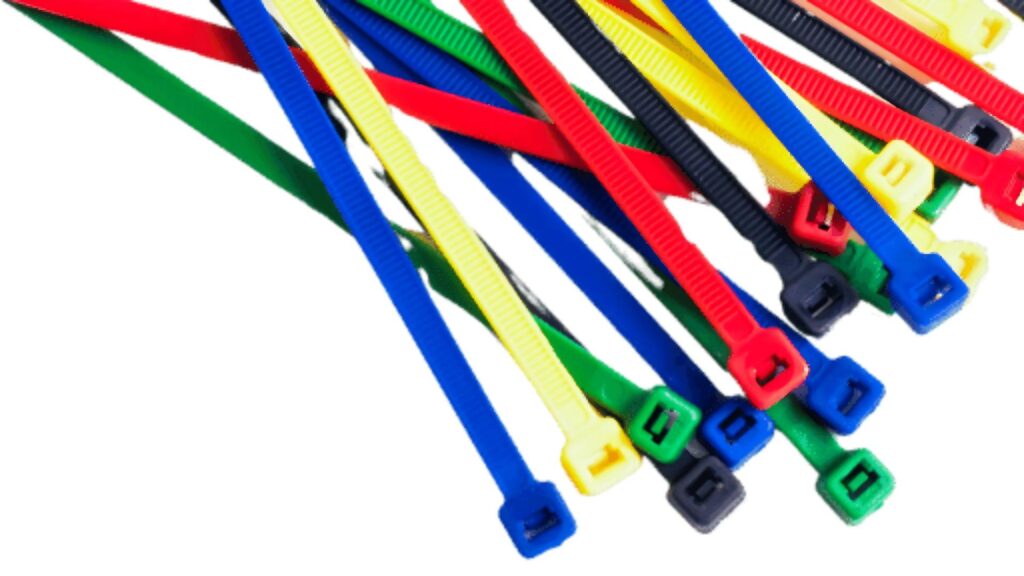
Cable ties are widely used across industries, homes, offices, and outdoor environments to bundle, secure, and organize cables or components. Although they appear simple, cable ties are manufactured from different materials depending on their intended application, strength requirements, and environmental conditions. Understanding what cable ties are made from helps users choose the right type for durability, safety, and performance. This article explains the most common cable tie materials, their properties, and where each type is best used. Nylon (Polyamide) – The Most Common Material The majority of cable ties are made from nylon, also known as polyamide. Nylon cable ties are popular due to their flexibility, strength, and cost efficiency. Nylon 6/6 is the most widely used grade. It offers an excellent balance of tensile strength, elasticity, and resistance to abrasion. Key characteristics of nylon cable ties: Nylon cable ties are commonly used in: However, standard nylon may degrade under prolonged UV exposure or extreme temperatures unless specially treated. UV-Resistant Nylon Cable Ties For outdoor environments, cable ties are often made from UV-stabilized nylon. These cable ties include additives that slow down material degradation caused by sunlight. Compared to standard nylon ties, UV-resistant versions: They are widely used for: Stainless Steel Cable Ties Stainless steel cable ties are made entirely from metal, typically 304 or 316 stainless steel. These are designed for extreme conditions where plastic cable ties may fail. Key advantages include: Stainless steel cable ties are commonly used in: Although stronger, stainless steel cable ties are less flexible and usually require special tools for installation. Coated Stainless Steel Cable Ties Some stainless steel cable ties are coated with materials such as epoxy resin or polyester. The metal core provides strength, while the coating adds protection. Benefits of coated cable ties: They are often used in: Polypropylene and Other Plastics In some low-load or specialized applications, cable ties may be made from polypropylene or similar plastics. These materials are: Polypropylene cable ties are suitable for: However, they are less common than nylon cable ties. Specialty Materials for Unique Applications Certain cable ties are made from specialized materials to meet specific requirements: These cable ties are typically used in regulated or safety-critical industries. How Material Affects Performance The material of a cable tie directly impacts: Choosing the wrong material may lead to premature failure, especially in outdoor or industrial environments. Conclusion Cable ties are made from a variety of materials, each designed for specific performance requirements. Nylon cable ties dominate general-purpose use due to their balance of strength and flexibility, while stainless steel cable ties are essential for harsh and high-temperature environments. Specialty materials further expand cable tie applications across industries. By understanding what cable ties are made from, users can make informed decisions and select the most suitable option for their application.
How to Zip Tie Computer Cables Properly
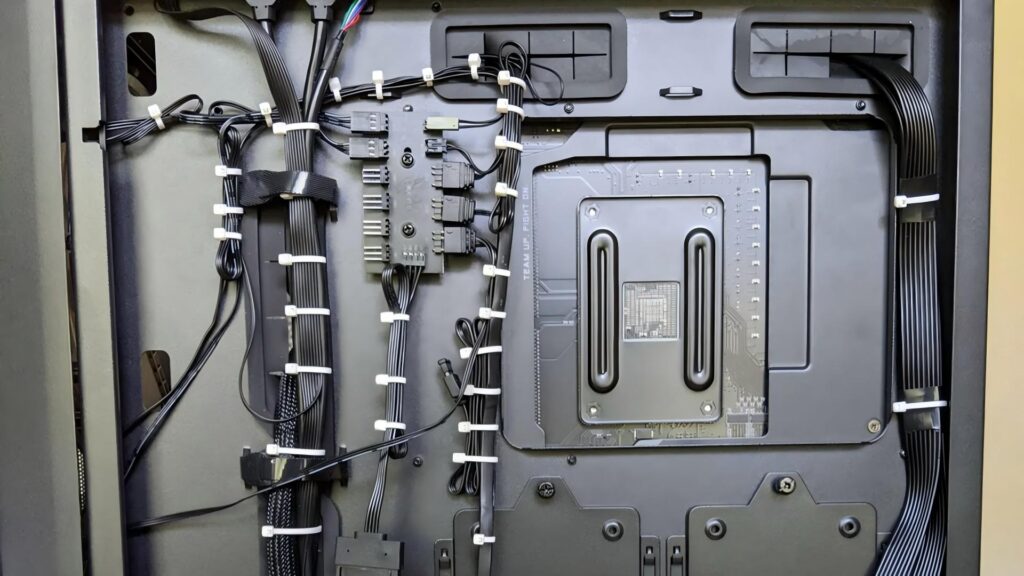
Messy computer cables are not only unpleasant to look at but can also cause airflow issues, make maintenance difficult, and increase the risk of accidental disconnections. Zip ties (also called cable ties) offer a simple and affordable solution for organizing computer cables at home or in the office. This guide explains how to zip tie computer cables properly, covering cable preparation, correct tying methods, and important safety tips to avoid damage to sensitive electronics. Why Zip Tying Computer Cables Matters Proper cable management provides several benefits: Whether you are managing a desktop PC, gaming setup, office workstation, or server cabinet, zip ties can help keep cables under control. Choosing the Right Zip Ties for Computer Cables Not all zip ties are suitable for computer cable management. The following factors are important: Material Nylon zip ties are the most common choice due to their flexibility and durability. Size Small zip ties (2.5 mm to 3.6 mm width) are ideal for USB, HDMI, Ethernet, and power cables. Avoid oversized ties that apply unnecessary pressure. Releasable vs. standard Releasable zip ties are recommended for computer cables because they allow easy adjustments during upgrades or maintenance. Color Black or neutral-colored zip ties blend well with office and gaming setups, while colored ties can be used for cable identification. Preparing Computer Cables Before Zip Tying Before securing cables, take time to prepare them properly: Step-by-Step: How to Zip Tie Computer Cables Align the cables neatlyLay cables parallel and avoid crossing them unnecessarily. Place the zip tie looselyWrap the zip tie around the cable bundle without tightening immediately. Adjust spacingLeave small gaps between zip ties (about 10–15 cm) to prevent stress points. Tighten gentlyZip ties should be snug, not tight. You should be able to slightly move the cables. Trim excess tail carefullyCut the tail flush to avoid sharp edges that could scratch hands or equipment. Secure cables to fixed points if neededDesk frames, cable trays, or PC case loops are ideal anchor points. Common Mistakes to Avoid Over-tightening zip tiesThis can damage cable insulation and internal wiring. Bundling power and data cables tightly togetherThis may cause interference or heat buildup. Zip tying near connectorsStress near plugs and ports can lead to premature failure. Using metal zip tiesMetal ties can damage cables and pose electrical risks in computer setups. Reusable Alternatives for Frequent Changes If you often upgrade or rearrange your setup, consider alternatives such as: These options provide flexibility while maintaining a tidy appearance. When Zip Ties Are Not Recommended Zip ties should not be used to: In these situations, replacing the cable or using proper cable management accessories is safer. Conclusion Zip tying computer cables is an effective way to improve organization, airflow, and workspace efficiency when done correctly. By choosing the right zip ties, applying gentle tension, and following safe spacing practices, you can create a clean and functional computer setup without risking cable damage. For long-term reliability, always inspect zip ties periodically and adjust them as your system evolves.