
How to Use Cable Ties on a Strimmer
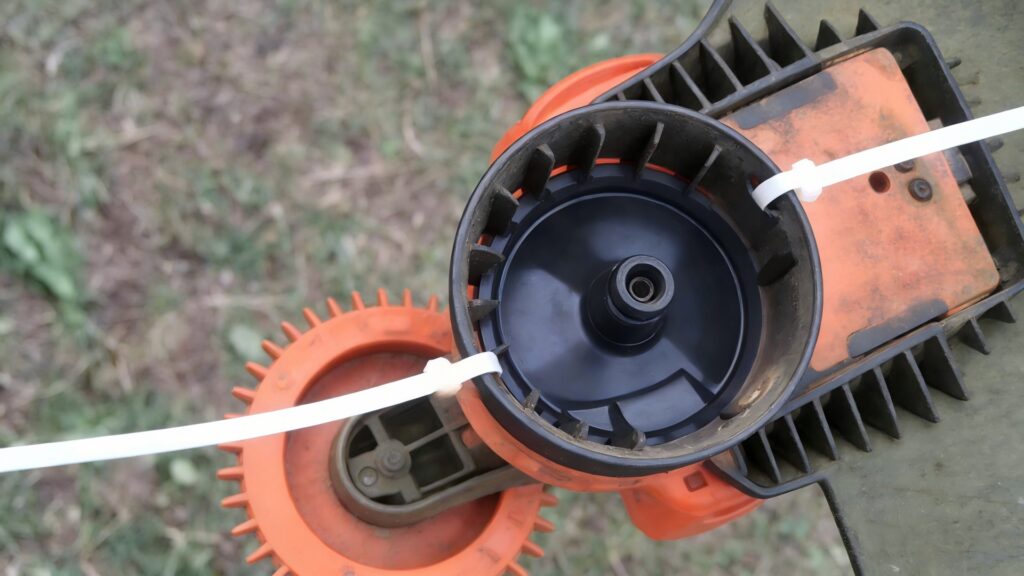
A strimmer (also known as a string trimmer or weed trimmer) is an essential tool for garden maintenance, especially for trimming grass edges and clearing weeds in hard-to-reach areas. While cable ties are not an official accessory for strimmers, they are often used as a practical, low-cost solution for temporary fixes, organization, and protection. When used correctly, cable ties can help improve safety, stability, and efficiency during strimmer operation. This guide explains how to use cable ties on a strimmer safely and effectively, along with common use cases and important precautions. Common Uses of Cable Ties on a Strimmer Cable ties can serve several practical purposes when working with a strimmer: Securing loose cables or hoses Electric and battery-powered strimmers often have power cables or control wires that may loosen over time. Cable ties help keep these wires neatly fixed to the shaft, reducing the risk of entanglement or accidental damage. Temporary handle or grip fixing If the auxiliary handle becomes slightly loose, a heavy-duty nylon cable tie can provide temporary reinforcement until proper repairs are made. Protecting guards or covers Vibration may cause plastic guards to rattle or shift. Cable ties can help stabilize these parts and reduce noise during operation. Organizing accessories Extra trimmer line, small tools, or safety gear can be bundled together using cable ties for easy storage and transport. Choosing the Right Cable Ties Selecting suitable cable ties is essential for safe use on a strimmer. Avoid using metal cable ties near rotating or electrical components unless absolutely necessary. Step-by-Step: How to Use Cable Ties on a Strimmer Turn off and unplug the strimmerAlways disconnect the power source before attaching cable ties. Identify the fixing pointChoose stable areas such as the main shaft or handle bracket. Avoid the cutting head, air vents, or moving parts. Position the cable tie correctlyWrap the cable tie around the component and ensure it sits flat without twisting. Tighten securely, but not excessivelyOver-tightening can damage plastic parts or compress cables. Trim excess tailCut off the extra length to prevent sharp edges or interference during operation. Test before useShake the strimmer lightly and ensure nothing moves or touches the cutting area. Safety Tips and Precautions Using cable ties incorrectly may cause imbalance or safety hazards, so moderation and proper placement are key. When Cable Ties Are Not Recommended Cable ties should not be used for: In these cases, proper mechanical repairs are required. Conclusion Cable ties are a simple and versatile tool that can assist with minor fixes and organization on a strimmer when used correctly. From securing loose cables to stabilizing guards, they offer a quick and affordable solution for everyday garden maintenance. However, they should always be treated as a temporary or supportive aid, not a replacement for proper repairs or safety components. Used wisely, cable ties can help keep your strimmer neat, functional, and safer to operate.
Flame Retardant Rating UL 94 V-0
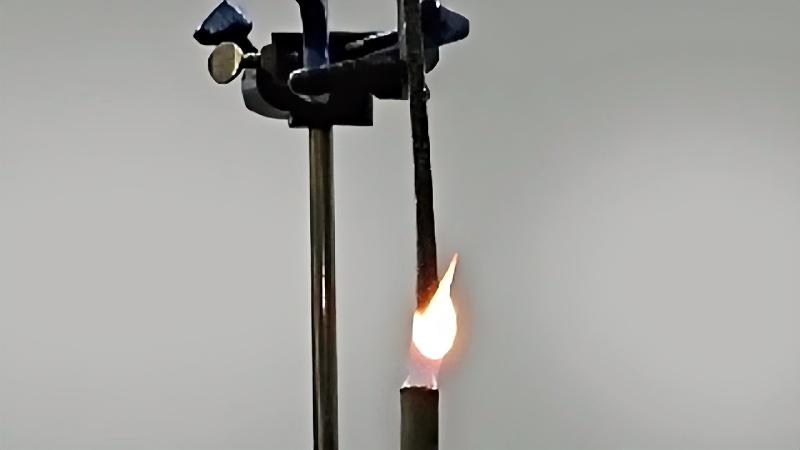
When selecting electrical components, cable management products, or plastic parts used in power distribution and control systems, fire safety is never optional. One of the most widely recognized standards used to evaluate flame resistance of plastic materials is UL 94, and among its classifications, UL 94 V-0 represents a high level of flame retardancy. This guide explains what UL 94 V-0 means, how it is tested, and why it is important for electrical and industrial applications. What Is UL 94? UL 94 is a plastics flammability standard published by Underwriters Laboratories (UL). It is used globally to classify how plastic materials behave when exposed to an open flame. The standard evaluates: How quickly a material ignites Whether it self-extinguishes after flame removal Whether burning material drips and ignites other objects UL 94 ratings are commonly required for products used in: Electrical enclosures Cable ties and cable management systems Circuit breakers and distribution boxes Consumer and industrial electrical equipment Understanding the UL 94 V Rating System Within UL 94, V ratings apply to materials tested in a vertical orientation, which is more demanding and closer to real-world conditions. The three main vertical ratings are: V-0 (highest flame retardancy) V-1 V-2 Among them, UL 94 V-0 is the most stringent and preferred rating for safety-critical applications. What Does UL 94 V0 Mean? A material rated UL 94 V-0 meets all of the following requirements during testing: Each flame application self-extinguishes within 10 seconds The total flaming time for multiple applications does not exceed 50 seconds No flaming drips are allowed that could ignite cotton placed below the test specimen The material does not continue burning or glowing after flame removal In simple terms, V-0 materials stop burning quickly and do not spread fire, even when exposed to direct flame. Why UL 94 V0 Is Important in Electrical Applications In electrical systems, plastics are often used close to: Live conductors Heat-generating components Enclosed or poorly ventilated spaces If a fault, overload, or short circuit occurs, non–flame-retardant materials can ignite and allow fire to spread rapidly. Using UL 94 V0 rated materials helps to: Reduce the risk of fire propagation Limit damage caused by electrical faults Improve overall system safety and reliability Meet regulatory and customer compliance requirements For this reason, UL 94 V-0 is commonly specified in power distribution equipment, control cabinets, photovoltaic systems, and industrial installations. Typical Products That Use UL 94 V0 Materials UL 94 V-0 plastics are widely used in products such as: Nylon cable ties for electrical installations Cable glands and wiring accessories Electrical enclosures and junction boxes Circuit breaker housings Terminal blocks and insulation components In many markets, especially Europe and North America, V-0 is often the minimum acceptable flame rating for professional electrical products. UL 94 V0 vs Other Flame Ratings It is important to note that UL 94 V-0 is not the same as fireproof. No plastic is completely fireproof, but V-0 materials are designed to limit flame spread and self-extinguish rapidly. Compared to lower ratings: V-1 allows longer burning times V-2 allows flaming drips that may ignite other materials For applications where safety and compliance matter, V-0 is strongly recommended. UL 94 V-0 and Compliance Considerations UL 94 is often referenced alongside other certifications, such as: CE RoHS IEC or EN standards While UL 94 itself focuses on material flammability, it plays a critical role in overall product compliance, especially for components used inside certified electrical assemblies. Manufacturers and buyers should ensure that: The flame rating applies to the specific material grade Test reports come from recognized laboratories The rating is suitable for the intended operating environment Final Thoughts UL 94 V-0 flame retardant rating is a key indicator of safety and quality for plastic materials used in electrical and industrial products. It demonstrates that the material can withstand brief exposure to flame without continuing to burn or spreading fire. When designing or sourcing electrical components, choosing UL 94 V-0 rated materials is not just about meeting standards—it is about protecting equipment, property, and people.
Specifications, applications, and selection methods of stainless steel cable ties
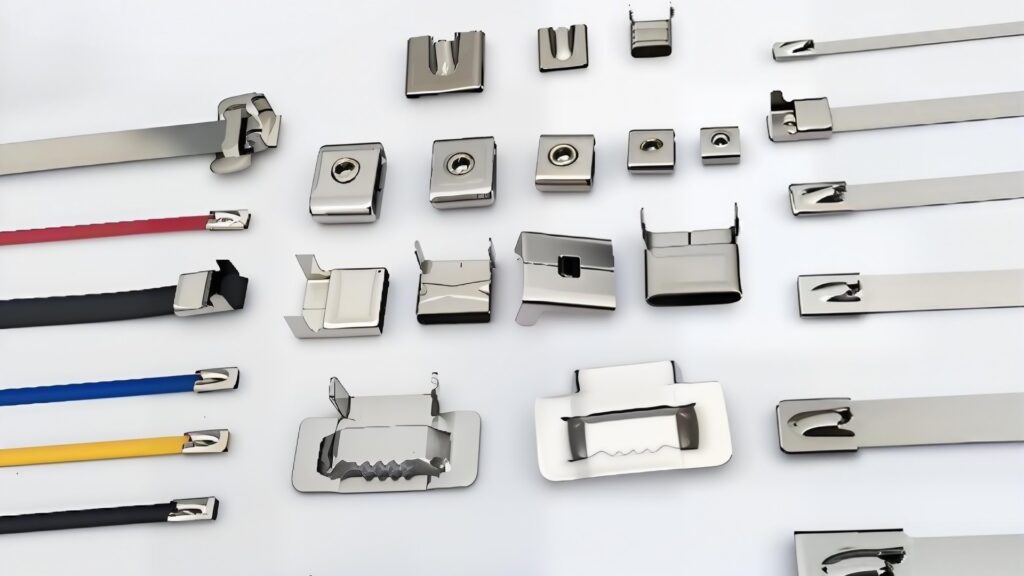
Stainless steel cable ties are multifunctional fixing and binding tools widely used in various industries and fields. Made of stainless steel, they are characterized by corrosion resistance, high temperature resistance, and high strength. This article will discuss the specifications, applications, and selection methods of cable ties. Cable tie specifications: 1. Length: Cable ties typically range from 100mm to 1000mm in length, with custom lengths available upon request. 2. Width: Cable ties generally range from 4.6mm to 12mm in width, with different widths suitable for different sizes of restraints. 3. Material: Cable ties are primarily made of stainless steel (usually 304 or 316 grade) to ensure corrosion resistance and high-temperature resistance. 4. Surface Treatment: Some cable ties have additional surface treatments, such as nylon sheaths or coatings, to provide extra protection or reduce friction. 5. Tensile Strength: The tensile strength of cable ties is a key parameter, typically ranging from 50 lbs (approximately 22.68 kg) to 250 lbs (approximately 113.4 kg). 6. Locking Mechanism: Stainless steel cable ties typically employ ball locks or self-locking mechanisms with lugs to secure the ties and ensure they remain in the correct position. Application areas of cable ties 1. Electrical and Electronics Industry: Used for bundling wires and cables to neatly and safely organize electrical wiring. 2. Food and Pharmaceutical Industry: Used in environments with stringent hygiene requirements, such as securing and bundling food processing and pharmaceutical equipment. 3. Machinery and Manufacturing Industry: Used for securing, bundling, and fixing mechanical components, such as pipes, pipe supports, and equipment. 4. Environmental Protection and Water Treatment: Used for securing and bundling water treatment equipment, pipes, and pipelines. 5. Automotive and Transportation: Used in automobile manufacturing and repair, securing exhaust systems, wiring harnesses, and parts. Factors to consider when choosing stainless steel cable ties 1. Application Environment: Determine the environment in which the cable ties will be used, including temperature, humidity, and corrosiveness. 2. Reusability: Select single-use or reusable cable ties as needed. 3. Price and Cost-Effectiveness: Consider the price and cost-effectiveness of the cable ties to meet budget requirements. 4. Binding Material Size: Select the appropriate width and length of cable ties based on the material and size you are binding. 5. Tensile Strength: Select cable ties with appropriate tensile strength according to application requirements to ensure they can withstand the necessary load. 6. Locking Mechanism: Consider the type of locking mechanism and select a ball lock or a self-locking mechanism with lugs as needed. 7. Surface Treatment: If additional protection or reduced friction is required, select cable ties with appropriate surface treatment. Conclusion Stainless steel cable ties are versatile tools used in a wide range of applications, from the electronics and electrical industries to manufacturing and construction. Choosing the right size and type of cable tie is crucial for ensuring work efficiency and safety. By understanding application requirements, considering environmental conditions, and following maintenance recommendations, you can ensure that the cable ties can reliably perform their tasks under various conditions.
Zip Tie Gun vs Cable Tie Gun: Choosing the Right Tool for Nylon and Stainless Steel Cable Ties
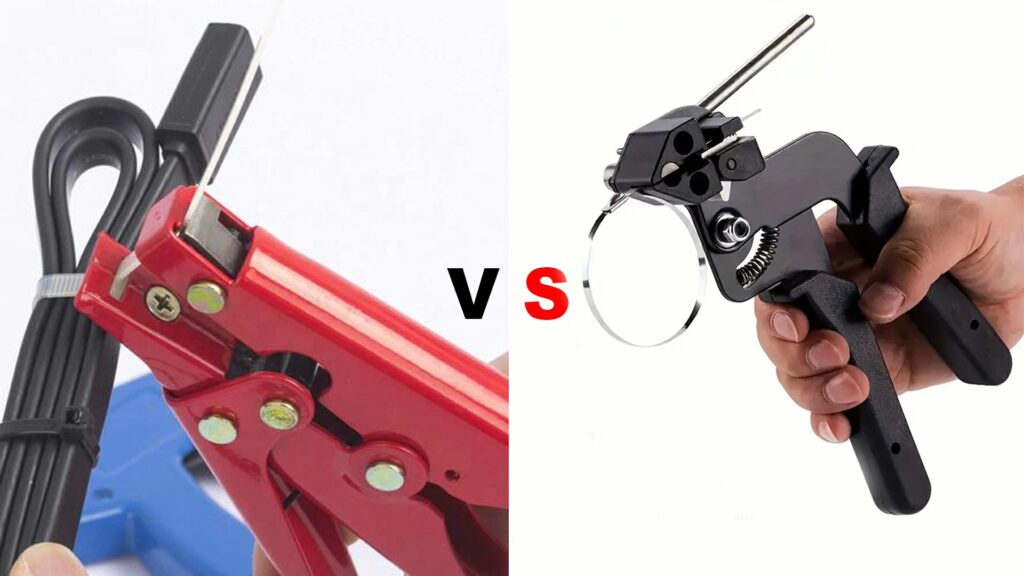
Cable management has become essential across industries ranging from automotive and electrical work to HVAC, facilities maintenance, and large-scale industrial manufacturing. While cable ties (often called “zip ties” in North America) have been widely adopted for decades, the tools used to install them have evolved from basic manual tightening to precise tensioning and controlled cutting. Among these tools, the Zip Tie Gun and the Cable Tie Gun are the two most commonly searched and referenced terms by technicians, DIY users, and procurement departments alike. Although many users assume both terms describe the same tool, there are notable differences in usage, terminology, and material compatibility—especially when stainless steel cable ties enter the conversation. Additionally, less commonly searched tools like cable tie tensioning tools, cable tie tightening tools, and cable tie installation tools each serve distinct functions in certain industrial scenarios. When working with stainless steel ties, more specialized tools such as stainless steel cable tie guns, metal cable tie tools, and steel cable tie tensioners ensure the necessary tension and cutting force. This guide compares these tools, explains how each is used, and offers practical recommendations on choosing the right cable tie installation tool for different applications. Stainless steel cable tie tensioning tool Zip Tie Gun: The Most Common Term in North America The term Zip Tie Gun is widely recognized and dominates search demand across North America. This terminology aligns with the common use of “zip tie” as a synonym for nylon cable tie, especially in consumer and DIY contexts. A Zip Tie Gun automates two core steps: Tightening the tie around a wiring bundle Cutting excess tail cleanly once tension is reached For nylon ties, this produces a flush cut that reduces sharp edges and ensures consistent tension across installations. The result is cleaner cable management and minimized risk of damage to wires, hoses, or nearby components due to over-tightening. Zip Tie Guns are frequently used in: Automotive wiring harnesses Consumer electronics repairs Home improvement projects Light-duty electrical work DIY cable organization Because nylon ties are flexible and lower in tensile strength compared to stainless steel, Zip Tie Guns do not require heavy mechanical leverage or hardened cutting blades. Cable Tie Gun: Preferred in Industrial and Electrical Contexts While “Zip Tie Gun” dominates consumer searches, technicians, installers, and procurement teams more often use the term Cable Tie Gun. Functionally, the tool operates similarly—tightening and cutting nylon cable ties—but its terminology reflects an industrial environment where cable ties are part of electrical and wiring standards rather than a DIY accessory. Cable Tie Guns see widespread application in: Electrical panel builds PLC controls and automation Wire harness production HVAC service installs Manufacturing and assembly lines In these settings, uniform tension is more than an aesthetic requirement—it affects cable reliability, labeling readability, airflow, and safety compliance. Thus, Cable Tie Guns typically include adjustable tension control and cleaner cutting mechanisms to match industry standards. Expanding Beyond Nylon: Metal and Stainless Steel Cable Tie Tools When cable ties transition from nylon to stainless steel, a new family of tools becomes necessary. Stainless steel cable ties are designed for: High-temperature environments Corrosive or outdoor conditions Marine and offshore installations Fire-resistant wiring Heavy mechanical loads Industrial manufacturing Rail and transportation Nylon Zip Tie Guns cannot apply sufficient leverage to tension or cut stainless steel ties, nor can they withstand the hardness of steel. Instead, installers rely on dedicated Stainless Steel Cable Tie Guns, Metal Cable Tie Tools, or Steel Cable Tie Tensioners to manage these tasks. These metal-oriented tools typically feature: Hardened steel blades Lever-driven tensioning mechanics Ratcheted tightening controls Auto or manual cut-off options The ability to manage stainless steel ties greatly expands cable management into industrial and environmental sectors where nylon would rapidly degrade. Tensioning, Tightening, and Installation Tools Explained While many users refer to the device simply as a cable tie gun, technically different tools exist depending on the installation phase. This has led to additional terms such as: Cable Tie Tensioning Tool A tool designed primarily for achieving consistent tension before cutting, frequently used in: Industrial wiring harnesses Automotive assemblies Manufacturing lines Cable Tie Tightening Tool Emphasizes the tightening action and is common in mechanical and stainless steel tie applications where securing heavy loads is necessary. Cable Tie Installation Tool A broader term that encompasses both tightening and cutting functions and is often used in procurement documents or specification sheets. Although these distinctions may not always matter to DIY users, they become critical in industrial compliance, where installation standards dictate acceptable cable management methods and tool specifications. Usage Scenarios by Industry Different industries prioritize different material and tool combinations. 1. Automotive and Motorsports Primarily nylon cable ties Typically installed with Zip Tie Guns Used for wiring harnesses, hoses, and sensor routing 2. Electrical and Controls Nylon ties for panel wiring Stainless steel ties for outdoor conduit and cable trays Cable Tie Guns preferred for consistency 3. Marine, Offshore, and Outdoor Stainless steel ties due to salt exposure Require Metal Cable Tie Tools or Stainless Steel Cable Tie Guns 4. HVAC and Building Services Mixed materials depending on ducting, insulation, and mounting brackets Nylon ties for indoor runs Steel ties for rooftop or mechanical rooms 5. Industrial Manufacturing Automated or semi-automated installation lines Tensioning tools ensure uniformity Traceability sometimes required in critical sectors Buying Guide: How to Choose the Right Tool Selecting the appropriate installation tool depends on four key criteria: 1. Cable Tie Material Cable Tie Type Recommended Tool Nylon ties Zip Tie Gun / Cable Tie Gun Stainless steel ties Stainless Steel Cable Tie Gun / Metal Cable Tie Tool Coated steel ties Steel Cable Tie Tensioner 2. Application Environment Consider temperature, chemical exposure, vibration, and outdoor conditions. 3. Tension Control Requirements Industrial wiring often requires adjustable tension, while DIY usage may not. 4. Cut-off Mechanism Options include: Flush cut (best for nylon) Manual cut (steel ties) Automatic cut-off at set tension Conclusion While the terminology surrounding cable tie installation tools varies across regions and industries, the underlying goal remains
Flame Retardant Rating UL 94 V2
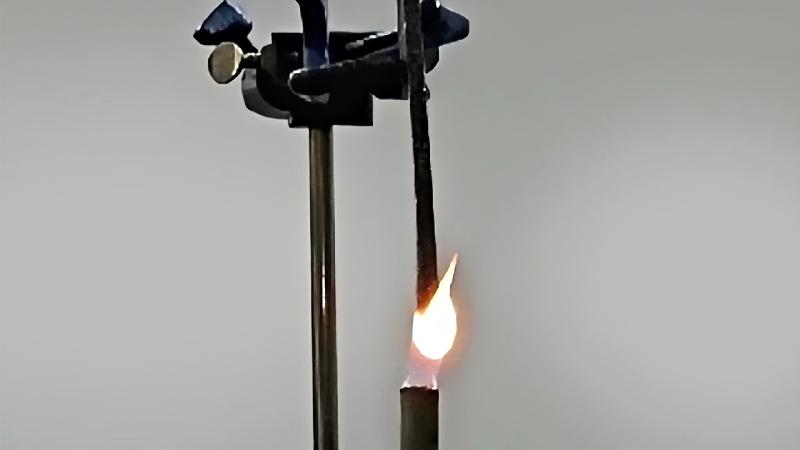
UL 94 V2 Flame Retardant Rating is a standardized classification for evaluating the flammability of polymer materials used in devices and component assemblies. For cable ties, flame retardancy is a critical safety requirement in electrical systems, automotive applications, power distribution, and enclosed environments where ignition and fire propagation must be minimized. The UL94 standard classifies how materials burn when exposed to flame in both vertical and horizontal orientations, determining the material’s ability to self-extinguish and prevent dripping. UL94 Rating Categories Relevant to Cable Ties While UL94 includes several grades, the most relevant for cable tie applications are: Rating Test Orientation Behavior Requirement UL 94 HB Horizontal Slow burning rate UL 94 V2 Vertical Flame self-extinguishes; drips allowed UL 94 V1 Vertical Faster self-extinguishing; no flaming drips UL 94 V0 Vertical Most stringent; fastest extinguishing; no flaming drips For industrial cable ties, UL 94 V2 and UL94 V0 are the most commonly supplied specifications due to safety compliance in electrical and OEM systems. Material Impact on Flame Retardancy Cable tie flame performance depends strongly on formulation: Material / Grade UL94 Behavior PA66 Standard Typically UL94 HB or no rating PA66 Flame Retardant Can achieve V-2 / V-0 with additives Heat-Stabilized Nylon Often V-2 UV-Stabilized Nylon Performance varies; not necessarily fire-rated Stainless Steel Non-combustible Stainless steel cable ties do not require UL94 classification because metallic materials do not support combustion, making them ideal in high-risk environments such as tunnels, offshore platforms, utilities, and petrochemical installations. Application Relevance UL94 ratings are mandatory or preferred in: Electrical control panels EV/automotive wiring harnesses Consumer electronics Rail & metro infrastructure Power distribution systems Telecommunications & data centers Building HVAC systems Aerospace & aviation cabling In confined or cable-rich environments, flame retardant performance significantly reduces risk of propagation during electrical shorts or thermal overload. Testing Principles UL94 tests evaluate: Ignition duration Self-extinguishing capability Droplet behavior Afterglow duration Flame propagation Vertical tests (V-series) simulate real-world burn scenarios more accurately than horizontal tests (HB), therefore representing a stricter safety criterion.
Tensile Strength Rating
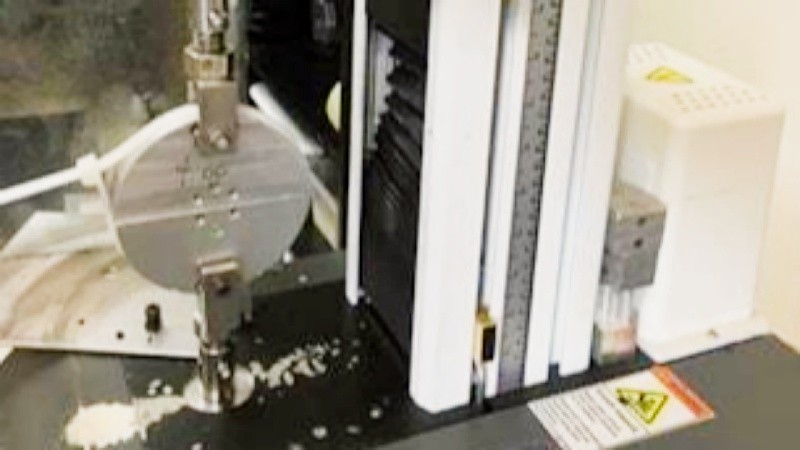
Tensile Strength Rating refers to the maximum tensile load a cable tie can withstand before failure. It is one of the most important mechanical performance indicators when selecting cable ties for electrical, industrial, or heavy-duty applications. Higher tensile strength ratings are typically achieved through better raw materials (e.g., PA66 engineering nylon), larger cross-sectional dimensions, or reinforced structural designs. For specific applications such as automotive wiring harnesses or metal cable tying, performance requirements may vary significantly. Why Tensile Strength Matters Ensures reliable bundling under vibration and movement Reduces failure during installation and long-term service Supports compliance with OEM, UL, and industrial specifications Critical for safety in electrical and mechanical systems Low tensile strength can lead to premature breakage, resulting in wiring damage, system faults, or safety hazards. Typical Tensile Strength Ranges The following ranges are commonly referenced in the cable tie industry: Category Tensile Strength Range Miniature cable ties 18–22 lbs (≈8–10 kgf) Standard cable ties 40–50 lbs (≈18–22 kgf) Heavy-duty cable ties 120–175 lbs (≈55–80 kgf) Stainless steel ties 200–350 lbs (≈90–160 kgf) These values may vary depending on certifications such as UL 62275, MIL spec, or automotive OEM requirements. Testing Methods Tensile strength testing is performed using tensile testing machines, commonly according to: UL 62275 Cable Management Standard ISO/ASTM Mechanical Tensile Test Methods Military & Automotive Specifications (Varies by OEM) Samples are pulled at controlled rates until failure, with the highest load recorded as the tensile strength value. Material Influence on Performance Different materials produce significantly different strength profiles: Material Tensile Performance Notes PA66 Nylon Balanced tensile/impact Used for most general cable ties PA66 Heat-Stabilized Improved retention at high temps Automotive + engine bay usage UV-Resistant Nylon Better outdoor durability Solar & construction Stainless Steel 304/316 Very high tensile strength Industrial & fire-risk areas This makes Tensile Strength Rating a performance dimension that naturally connects to multiple materials and use cases. Application Examples Tensile strength ratings impact cable tie selection in: Automotive wire harness fastening Solar PV panel cable management Industrial pipe and hose securing HVAC & air duct installation Electrical panel cable routing Marine and offshore engineering In these scenarios, insufficient tensile strength leads to fatigue failure, especially under vibration or heat.
Stainless Steel 316 Grade
Stainless Steel 316 (SS316) is a molybdenum-alloyed austenitic stainless steel known for its outstanding resistance to chlorides, seawater, industrial chemicals, and corrosive atmospheres. Compared to SS304, the addition of 2–3% molybdenum (Mo) significantly enhances pitting and crevice corrosion resistance, making SS316 the preferred grade for marine environments, coastal installations, petrochemical facilities, offshore platforms, and power infrastructure. For cable management systems, SS316 is often required where long-term mechanical reliability and environmental durability are mission-critical. Chemical Composition & Alloying Additives Typical composition of SS316: Element Content (%) Cr (Chromium) 16–18 Ni (Nickel) 10–14 Mo (Molybdenum) 2–3 C ≤ 0.08 Mn, Si, P, S Trace elements The molybdenum addition is the defining element differentiating SS316 from SS304 in performance-sensitive applications. Key Material Performance Characteristics • Chloride & Saltwater Resistance316 resists chloride-induced corrosion and pitting, making it suitable for coastal and offshore areas where 304 would degrade more quickly. • Chemical CompatibilityCompatible with many industrial solvents, cleaning agents, acids, and alkalis — widely used in petrochemical, refinery, and wastewater systems. • High Temperature CapacityMaintains structural integrity under elevated temperature service, typically within ~450–650 °C depending on load conditions. • Long Service LifeDesigned for 10–25+ year infrastructure applications with low maintenance requirements, supporting life-cycle cost reduction. • Non-magneticSimilar to 304, 316 remains non-magnetic in annealed condition, relevant for instrumentation and control systems. Certifications & Compliance 316 fasteners and components commonly reference the following: ✔ ASTM A240 / A276 — Stainless steel plate/bar specifications✔ EN 10088 — Stainless steel classification✔ ISO 15156 — Materials for oil & gas service✔ NACE MR0175 — Sour gas & corrosion compliance✔ UL 62275 Type 21/31 — Cable management compliance✔ RoHS / REACH — Environmental certification In critical industries (e.g., energy, offshore), NACE & ISO requirements serve as procurement gatekeepers. Application Scenarios 316 is selected not merely for performance but because failure is unacceptable in the following environments: Marine & Coastal Infrastructure Offshore wind turbines Marine docks & shipbuilding Coastal telecom towers Port electrical systems Marine Grade Stainless Steel Cable Ties Oil, Gas & Petrochemical Refinery cable routing Pipe rack instrumentation Hazardous plant environments Ball-Lock Stainless Steel Cable Ties Chemical Processing & Wastewater Corrosive chemical transport systems Chlorine treatment facilities Industrial washdown areas Coated Stainless Steel Cable Ties Power & Utility Infrastructure High-voltage substations Transmission tower wiring Solar farm balance-of-system (BOS) Solar Cable Management Systems Comparison: SS316 vs. SS304 vs. PA66 Property PA66 304 Stainless 316 Stainless UV Resistance Medium Excellent Excellent Chloride / Seawater Poor Moderate Excellent Chemical Resistance Medium High Very High Temperature Range -40 ~ 120°C Up to ~450°C Up to ~650°C Tensile Strength Medium High High Service Life ~3–10 years ~10–20 years ~20–30 years Cost Low Medium Higher When 316 Is Required Instead of 304 ✔ Presence of chlorides (coastal, marine, de-icing salts)✔ Continuous high humidity or vapor condensation✔ Chemical washdown or solvent exposure✔ High lifetime requirement (>20 years)✔ Compliance with oil & gas or marine certification✔ No allowed structural failure Suitable Product Forms in Cable Management ✔ Ladder-type stainless cable ties✔ Ball-lock stainless cable ties✔ Coated stainless steel ties✔ Heavy-duty utility clamps✔ Hose clamps & mounting hardware Conclusion Stainless Steel 316 Grade delivers superior corrosion resistance in chloride-rich, chemically aggressive, and long-lifetime installations. Its combination of: mechanical strength seawater resistance chemical durability high-temperature performance and compliance compatibility makes it the preferred material for marine, energy, petrochemical, utility, and critical infrastructure cable management systems.
Stainless Steel 304 Grade
Stainless Steel 304 (SS304) is an austenitic chromium–nickel stainless steel recognized for its excellent balance of corrosion resistance, mechanical strength, and cost-efficiency. As one of the most widely used stainless grades in the world, SS304 serves across sectors ranging from industrial machinery to electrical installations and cable management systems. In fastening and wire management applications, SS304 is commonly used to manufacture metal cable ties, hose clamps, mounting brackets, and electrical accessories that require durability under harsh service environments. Chemical Composition & Alloying Elements The typical composition of SS304 includes: Element Content (%) Cr (Chromium) 18–20 Ni (Nickel) 8–10.5 C (Carbon) ≤ 0.08 Mn, Si, P, S Trace amounts The 18-8 (18% Cr / 8% Ni) formulation enhances its corrosion resistance and contributes to its well-known mechanical stability. Key Material Characteristics • Corrosion ResistanceSS304 demonstrates strong resistance to atmospheric environments, mild chemicals, organic acids, and industrial cleaning agents. This makes it suitable for outdoor installations, factory environments, and coastal inland regions. • Mechanical Strength304 provides high tensile strength and elongation, enabling fastening products to secure heavy cables, hoses, and components where plastic ties are not sufficient. • Heat ResistanceIt maintains mechanical integrity at elevated temperatures, generally up to ~450–650 °C depending on service conditions. • Fatigue & Wear ResistanceThe alloy resists deformation and abrasion under cyclic loads, which is beneficial in vibrating machinery or transportation systems. Relevant Standards & Certifications Depending on the application sector, the following standards are commonly referenced: ✔ ASTM A240 / A276 — Stainless steel plate/bar specifications✔ EN 10088 — Stainless steel grade classification✔ UL 62275 — Cable management for metal ties✔ RoHS / REACH — Environmental compliance requirements✔ ISO 9227 — Salt spray test for corrosion ranking For cable management components specifically, UL 62275 Type 21 has become increasingly relevant in infrastructure, telecom, and solar power installations. Typical Industrial Applications Stainless Steel 304 is used across multiple sectors: Electrical & Cable Management Cable trays & racking systems High-temperature cable bundling Outdoor utility infrastructure Stainless Steel Cable Ties / Heavy-Duty Cable Ties Industrial Machinery Hose and pipe fastening Motor & vibration equipment wiring Plant upgrades & maintenance Stainless Steel Ball-Lock Cable Ties Transportation & Automotive Engine bay harnessing near high heat zones Rail & marine wiring Protective routing on chassis parts Petrochemical & Refinery Exposure to solvents, oils, fuels, corrosive vapors High-temperature wiring at processing lines Comparison: 304 vs. 316 Stainless Steel 304 is widely used, but engineering environments sometimes require a comparison against 316: Property 304 316 Corrosion Resistance High Very High Chloride Resistance Moderate Excellent Nickel Content ~8% ~10–14% Mo (Molybdenum) — Present Coastal / Marine Use Conditional Preferred Cost Lower Higher When to Use Stainless Steel Instead of PA66 In engineering projects, actual procurement logic is typically environment-driven rather than material-driven. Metal is chosen over nylon in the following situations: ✔ High heat (>120 °C) ✔ Fire-critical environments ✔ Oil/chemical exposure ✔ High vibration machinery ✔ Long-term outdoor (>10 years) ✔ Required lifetime reliability (Infrastructure/Utilities) Therefore, metal cable ties have become one of the mainstream solutions in many photovoltaic power plant constructions, communication base stations, and power distribution network applications. Suitable Product Forms in Cable Management 304 Grade stainless steel is commonly processed into: ✔ Ball-lock cable ties✔ Ladder-type stainless cable ties✔ Coated stainless cable ties✔ Mounting clamps & brackets✔ Hose clamps Conclusion Stainless Steel 304 Grade provides a robust and corrosion-resistant solution for industrial fastening applications, delivering: mechanical strength heat tolerance outdoor durability compliance compatibility cost efficiency Its balance between performance and price makes it one of the most versatile stainless steels in modern electrical and industrial infrastructure.
PA66 UV-Resistant Grade
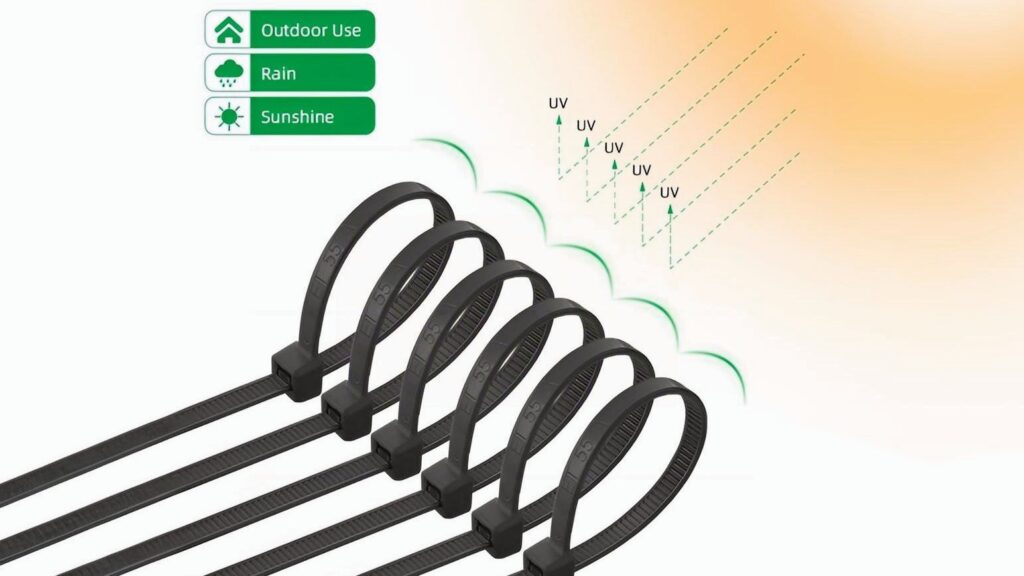
PA66 UV-Resistant Grade, also referred to as UV-stabilized Nylon 66, is a specialized material formulation developed to withstand prolonged exposure to sunlight, UV radiation, ozone, and outdoor weathering. Compared to standard PA66, UV-resistant grades maintain tensile strength and dimensional stability for a longer service life in outdoor and solar applications such as photovoltaic cable management, telecom installations, and construction wiring. This makes PA66 UV-Resistant Grade one of the dominant materials used in black outdoor cable ties and related fastening components across industrial and electrical sectors. How UV Stabilization Works PA66 is inherently strong, heat-resistant, and chemically stable, but standard unmodified nylon degrades under UV radiation due to polymer chain scission. Stabilization is typically achieved through: ✔ Carbon Black (CB) Loading — Carbon black absorbs UV radiation and prevents polymer degradation. Industrial black cable ties usually rely on this mechanism. ✔ UV Absorber Additives — For applications requiring lighter colors or specific performance, HALS (Hindered Amine Light Stabilizers) or UV absorbers may be used. The carbon black variant is considered the industry standard for long-term outdoor durability due to its stability and cost-efficiency. Performance Characteristics Key characteristics of PA66 UV-resistant grade include: • UV DurabilityMaintains structural and mechanical integrity under sunlight exposure for 5–10 years, depending on geography and installation environment. • Mechanical StrengthRetains high tensile strength and modulus essential for cable bundling and mounting. • Thermal ResistanceSuitable for high-temperature environments commonly found around power distribution and solar systems (continuous service up to ~80–120 °C depending on formulation). • Chemical ResistanceResistant to oils, fuels, and industrial chemicals — advantageous in outdoor and automotive usage. • Weathering StabilityEndures cycles of heat, cold, moisture, and wind loading without significant brittleness. Relevant Standards & Testing For engineering and qualification purposes, the following standards are commonly referenced: ✔ ISO 4892 Series – Accelerated UV weathering test✔ ASTM G154 / G155 – Fluorescent/Arc UV test methods✔ SAE J1960 – Automotive UV weathering test✔ UL 62275 Type 2/21 – Outdoor and solar cable management✔ UL 94 – Flame rating (often V2 for black cable ties)✔ RoHS / REACH – Environmental compliance Manufacturers and EPC integrators in the solar and electrical sectors increasingly require UL 62275 due to its relevance in PV cable routing and mounting reliability. Application Scenarios PA66 UV-resistant grade is widely used across outdoor-exposed sectors, including: Solar & Renewable Energy PV module cable routing Inverter cable bundling Ground-mount racking systems Tracker & rooftop installations Solar Cable Ties / UV-Rated Cable Ties Telecommunication & Utilities Tower wiring Fiber routing Outdoor junction hardware 👉General Purpose Nylon Cable Ties Construction & Industrial Outdoor electrical installations HVAC & piping systems Temporary job-site fastening 👉 General Purpose Nylon Cable Ties Automotive Exterior Components Engine bay harnessing adjacent to firewall External clips exposed to heat and sun 👉Heat-Resistant Cable Ties Comparison: Standard PA66 vs. UV-Resistant PA66 Attribute Standard PA66 UV-Resistant PA66 UV Exposure Poor Excellent Outdoor Use Limited Long-term Color Natural / White Black (CB) Typical Lifetime 6–18 months 5–10 years Applications Indoor / Electrical Outdoor / Solar / Telecom This comparison helps both distributors and engineers specify appropriate materials based on use environment rather than cost alone. Material Selection Considerations When specifying UV-resistant PA66 for cable management products, designers and procurement teams typically evaluate: ✔ Lifetime performance expectations (5 / 10 / 15 years)✔ Solar / marine / tropical climate exposure✔ Regulatory standards (UL, RoHS, REACH)✔ Continuous operating temperature✔ Color and aesthetic requirements✔ Chemical exposure profile If environments involve both UV + high heat, PA66 Heat-Stabilized Grade or Stainless Steel Cable Ties may be recommended as alternatives.
PA66 Standard Grade
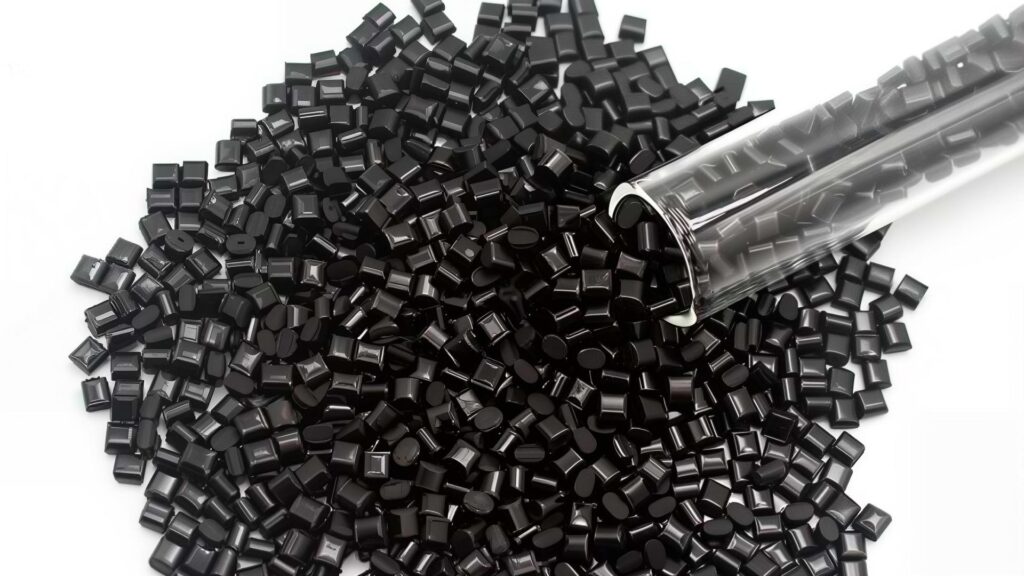
What Is PA66 Standard Grade? PA66 (Polyamide 66), commonly referred to as Nylon 66, is one of the most widely used engineering thermoplastics in the world. It is a standard grade unmodified polymer known for its high mechanical strength, stability under heat, and chemical resistance, making it a benchmark material for demanding technical applications. In its basic form — Standard Grade PA66 — the resin contains no reinforcing fillers or performance-enhancing additives. This simple composition delivers a balanced set of properties ideal for general industrial use, including electrical components, automotive parts, and cable management solutions such as PA66 cable ties. Material Characteristics of PA66 Standard Grade Mechanical StrengthStandard grade PA66 exhibits high tensile strength and stiffness, essential for load-bearing applications where parts must resist deformation and creep under stress. Thermal PerformancePA66 has a relatively high melting point (~255–265 °C) compared to many other common engineering plastics, allowing it to perform reliably in elevated temperature environments. Chemical ResistanceIt resists oils, fuels, solvents, and many industrial chemicals, making it suitable for use in environments where exposure to harsh substances is expected. Environmental StabilityStandard PA66 has good dimensional stability when exposed to humidity and temperature cycles, although like most nylons, it can absorb moisture to some extent, which designers must account for. These combined properties make Standard Grade PA66 a highly versatile engineering polymer for both structural components and functional parts. Applications of PA66 Standard Grade Standard PA66 plays a core role in multiple sectors due to its performance profile: Industrial Components: Gears and bearings Bushings and sliders Wear-resistant parts Electrical & Electronics: Connectors and housing Fastening elements Cable management products like PA66 cable ties (learn more in our article on Cable Tie Material Guide) Automotive & Mechanical: Under-hood components Structural clips Mounting brackets For products that require enhanced properties beyond the unfilled state (e.g., heat stability, UV resistance, flame retardancy), there are specialized PA66 grades — though the standard grade remains the go-to for cost-effective general use. Why Standard PA66 Is Common in Cable Ties In cable management, especially for electrical installations, materials must balance strength, durability, and environmental resistance: High Tensile Strength: Keeps bundles secure under tension. Heat Resistance: Maintains integrity around electrical enclosures or equipment. Chemical Durability: Performs well around oils and industrial cleaners. For these reasons, many standard cable ties — including economy yet performance-oriented models — are manufactured using PA66 standard grade resin. Linking these material fundamentals with product performance helps users choose the correct solution for their installation needs. 👉 For example, check out our PA66 Cable Ties Product Page and Heavy Duty Cable Ties Range to see how materials translate into finished products that meet various performance requirements. Property Summary (Standard PA66) Property Characteristic Polymer Type Semi-crystalline polyamide Density ~1.14–1.15 g/cm³ Melting Point ~255–265 °C Tensile Strength Moderate to high (baseline unfilled) Chemical Resistance Good against oils and fuels Moisture Absorption Moderate (design consideration) This table highlights the essential traits that make PA66 standard grade suitable for cable ties and other general industrial applications. Material Selection Considerations When choosing PA66 standard grade for a design: Environment: Standard PA66 handles typical industrial temperature and humidity, but consider specialized grades for higher heat or UV exposure. Load: Evaluate expected tensile forces — higher load scenarios might require reinforced or heat-stabilized PA66. Compliance: Standard PA66 meets common electrical and environmental criteria, but certain applications demand UL, RoHS, or flame rating compliance. These considerations align material choice with functional and regulatory requirements, helping optimizers and engineers specify the right solution more confidently. 👉 Learn more in our PA66 Material Comparison Guide which dives into how standard grades differ from specialty grades like UV-resistant or glass-filled. PA6 vs PA66 PA6 (Nylon 6) and PA66 (Nylon 66) are both high-performance, semi-crystalline engineering plastics with similar, yet distinct, properties. PA66 offers higher strength, superior rigidity, and better heat/chemical resistance, making it ideal for high-stress, high-temperature automotive applications (e.g., engine parts). PA6 provides better toughness, easier processing, and is generally more cost-effective, often used for molded components requiring high impact resistance. Comparison Table: PA6 vs PA66 Properties PA6 PA66 Molecular Structure Single repeating unit Two repeating units Density (g/cm³) 1.13 1.14 Melting Point (°C) 220 260 Water Absorption Higher Lower Crystallinity Lower Higher Tensile Strength (MPa) Lower Higher Impact Resistance (kJ/m²) Higher Lower Thermal Stability (°C) Continuous use up to 180°C Continuous use up to 200°C Processing Temperature (°C) 230 – 250 270 – 290 Molding Temperature (°C) 80 – 100 90 – 120 Molding Shrinkage (%) 0.6 0.8 Heat Deflection Temperature (°C) 170 250 Conclusion PA66 Standard Grade is a foundational engineering plastic that balances mechanical performance, temperature endurance, and chemical resistance in a cost-effective unmodified form. Its versatility makes it a go-to choice for general-purpose industrial components and cable management products, offering both reliability and broad applicability across sectors such as electronics, automotive, and manufacturing.