
Nylon Cable Ties Buying Guide: How to Choose & What to Know
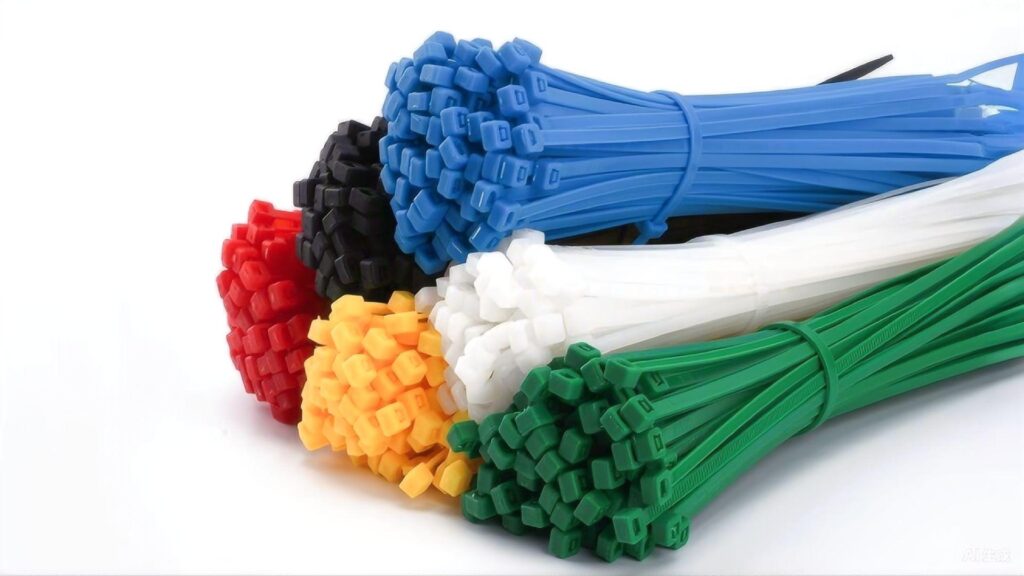
Buying the right nylon cable ties isn’t as simple as measuring the length and width of the items to be bundled. You also need to consider factors like usage conditions (allowing for a safety margin), price, material, UV resistance, temperature resistance, flame retardancy, and color. All of these factors will affect your ability to choose the right cable ties. Specialty nylon cable ties may be necessary in some cases, and it’s crucial to choose high-quality ties from ISO-certified manufacturers. Size Selection: Always Leave a Safety Margin When choosing nylon cable ties, avoid selecting ties that are exactly the same size as the object being bundled. A common mistake is choosing ties that are too large for the wire harness or conduit, which significantly reduces locking strength and increases the risk of breakage. Recommended practice: Measure the maximum diameter of the object being bundled. Select a cable tie with a length 1.2-1.3 times the maximum diameter of the object. Choosing the appropriate width is also important. For bundling heavier objects, requiring higher tensile strength, operating in vibration environments, or during long-term installations, wider nylon cable ties are necessary. Extra Long Cable Ties Tensile Strength: Match Strength to Application The tensile strength of nylon cable ties refers to the maximum tensile force the cable tie can withstand before breaking. Choosing the right strength doesn’t mean the wider the better; this may lead to wasted resources and increased costs. Recommended application scenarios for different cable tie models: Lightweight and mini cable ties: Signal cables, indoor wiring, wire harness marking, small wire harnesses; Medium and standard nylon cable ties: Electrical wiring organization, plastic flexible conduit organization, distribution panel fixing, tool fixing, etc.; these are also the most widely used cable ties. Heavy-duty cable ties and stainless steel cable ties: Industrial wiring, mechanical equipment, outdoor installation. Also consider the application environment and site conditions, including static loads, dynamic stresses, and thermal expansion. Material Quality: Nylon 6/6 Matters Standard nylon cable ties are generally made of nylon 6/6, a material that balances strength, flexibility, and abrasion resistance. Some cheaper cable ties may use low-grade recycled nylon, which contains many impurities and typically leads to: Easily broken locks Tensile strength far below preset values Inconsistent color and performance between batches Cracking under no-load conditions Especially for professional and commercial installations, you can confidently choose UHElectric, made from brand-new nylon 6/6 material, at the most competitive price on the market. Welcome to purchase! UV-resistant PA66 nylon plastic UV Resistance: Critical for Outdoor Use Ordinary nylon cable ties are very prone to breakage after exposure to sunlight, becoming brittle or failing within a few months, and are generally only suitable for indoor use. This is not due to poor quality. For different applications, we add carbon black additives to the raw materials to improve UV resistance, creating UV-resistant nylon cable ties. Applications of UV-resistant nylon cable ties: Solar installations: Fixing solar panels, combiner boxes, disconnect switches, or quick-shutdown devices, etc.; Outdoor wiring: Fixing distribution boxes, distribution cabinet wiring harnesses, fence fixing, sunshade cloth fixing, and cargo bundling; Construction sites: Material identification, tool fixing; Coastal or high-altitude environments. UV Resistant Cable Ties Temperature Resistance: Know the Limits Standard nylon cable ties typically operate in environments ranging from -40°C to +85°C. Excessively low temperatures will cause the cable ties to become brittle, like cookies, and break at the slightest touch. Excessively high temperatures will cause the cable ties to soften or deform completely. For high-temperature environments such as engine compartments or industrial equipment, heat-resistant nylon cable ties should be selected. Flame Retardancy: When Safety Compliance Is Required Flame-retardant nylon cable ties are most widely used in electrical and industrial environments, meeting flame-retardant standards such as UL94 V-2 or UL94 V-0. Flame-retardant nylon cable ties effectively reduce the spread of fire and are commonly used in control panels, data centers, or confined spaces. Flame Retardant Cable Ties Color Selection: More Than Appearance Different colored cable ties not only indicate their color but also represent certain functional characteristics: Black Cable Ties: Best suited for outdoor and UV-exposed environments; Natural (white) Cable Ties: For indoor use, ensuring a clean and tidy environment; Colored cable ties: Used for classification or labeling. Different colors require different materials, which means a slight increase in cost. Therefore, unless there are special uses or functional requirements, we recommend black and natural white nylon cable ties. Colored Cable Ties Special-Purpose Nylon Cable Ties Specialized cable ties are used depending on the environment and application requirements. For example: Removable or reusable nylon cable ties are used for temporary securing. Metal-detectable cable ties are used in food processing. Weather-resistant and salt spray- and chemical corrosion-resistant ties are commonly used in coastal or high-humidity environments. These are more like custom-made products and should only be selected when there is a genuine need. Nylon Cable Ties Manufacturer and Certification Consistency in quality is crucial for large-scale projects. Reputable manufacturers with ISO certification ensure a stable supply of raw materials, standardized production processes, and batch sampling for tensile strength and locking performance testing. Low-cost, uncertified suppliers may offer attractive prices, but this often involves gambling with the entire project lifecycle. Conclusion Choosing the right nylon cable ties requires considering not only the size of the items being bundled, but also their intended use and a manufacturer with stable production capabilities. how to open nylon cable ties? Loosen a Cable Tie (Safely & Cleanly): Method 1: Cut the cable ties using appropriate tools Method 2: Loosen the reusable cable tie. Loosen a Cable Tie (Without Cutting It): Method 1: Use a flathead screwdriver Method 2: Longer fingernails How to Cut a Cable Tie (Without Damaging Wires): Best tools Avoid Technique Are nylon cable ties reusable? In theory, nylon cable ties are disposable and can be reused. However, we can use techniques to completely loosen them. Are cheap nylon cable ties reliable? Cheap nylon cable ties are usually made with cheap raw materials and cheap molds. We should choose cable ties with reasonable prices by identifying
How to Loosen a Cable Tie Safely?
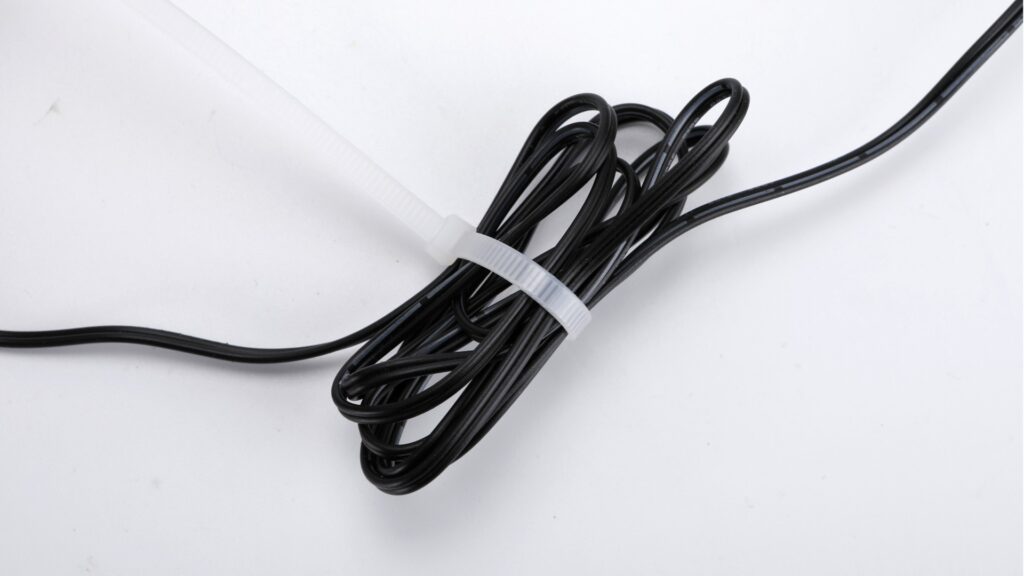
How to Loosen a Cable Tie? Most people have encountered this problem in their daily lives. When you need to Loosen a Cable Tie, it usually feels harder than when you install them. Cable ties are simple, inexpensive, and durable, but they also have a drawback: once tightened, many people cannot safely and efficiently remove them without damaging the cables or injuring themselves. This guide will help you solve this long-standing problem, providing solutions whether you need to loosen, cut, or remove cable ties without tools, or in emergency situations. At the end, we will also introduce cable tie recycling methods, as proper disposal is equally important. How to Loosen a Cable Tie (Safely & Cleanly) Most cable ties are designed for single use, which makes it challenging to loosen a Cable Tie without the right tools, which means it can be very difficult to open them again. Of course, we can safely remove the cable ties if we choose the right method. Method 1: Cut the cable ties using appropriate tools The safest and most effective way to remove cable ties is to use flat-nose pliers or electrician’s pliers to cut them short. (Do not use scissors or knives to cut cable ties, as their openings are very sharp and can easily damage the bundled items.) We should grip the bundle firmly, leaving a certain gap between the cable tie and the bundle, and then use flat-nose pliers to make a flat cut at the gap. This avoids the sharp edges from scratching the wires or other bundles and causing unnecessary damage. Method 2: Loosen the reusable cable tie. If the cable tie is clearly marked with “releasable” or “reusable,” there is usually a small release button at the lock head, as shown in the picture below: Simultaneously pull the end of the cable tie backward. This type of cable tie is commonly found in IT racks, does not require cutting, and is assumed to be non-reusable if there is no release button. How to Loosen a Cable Tie (Without Cutting It) Some users want to loosen a Cable Tie without destroying it, especially when the installation needs adjustment. Method 1: Use a flathead screwdriver If you want to reuse the cable tie or don’t want to cut it, you can use some common everyday tools, such as a small flathead screwdriver or a SIM card ejector tool: Insert the tool between the pawl and the cable tie, gently press the tool to lift the pawl, and simultaneously pull the cable tie back to release it. This Loosen a Cable Tie method is more suitable for slightly thicker nylon cable ties. Method 2: Longer fingernails Step 1: Secure the binding point with your hand or a tool, pushing the excess end of the cable tie outwards as much as possible. Step 2: Using the gap created by pushing outwards, insert your fingernail or the end of another cable tie and pinch the locking cap. Step 3: Push the end of the cable tie inwards or pull the cable tie at the bundled object outwards. Step 4: Do not release the locking cap until the entire cable tie is removed, otherwise it will lock again, requiring you to start from Step 1 again. This Loosen a Cable Tie method is more suitable for slightly smaller nylon cable ties. Repeated use can cause cable ties to become deformed and difficult to work with; therefore, it is not recommended to reuse disposable cable ties multiple times. How to Cut a Cable Tie (Without Damaging Wires) This is one of the most common questions, especially in electrical work. Best tools Flush cutters (cleanest) Side-cutting pliers Cable tie cutters (professional tool that avoids sharp stubs) Avoid Knives or box cutters Scissors near live wires(cuts cables and creates hazards) Twisting the tie by hand (causes jagged edges that cut skin) Technique After tightening the bundle, slide one side of the tool between the cable tie and the cable, then cut the cable tie outward. How to Get Out of Cable Ties (Emergency Situations) If someone’s hands are tied with cable ties in an emergency (accident, industrial entanglement). Cable ties can fail at a specific tensile strength. Overloaded or defective ties snap under tension. Safety shears can be used to undo cable ties during entanglement hazards You can use any readily available object to slide and rub the cable tie back and forth at its anchor point (increasing its temperature and damaging its structural properties, thus reducing its performance). Are Cable Ties Recyclable? As the global cable tie industry continues to develop, many problems have also emerged. Nylon Cable Ties: Made of nylon 6/6, theoretically recyclable, but… Most recycling plants do not accept nylon cable ties because they are mostly small and contain many other impurities, making it very difficult to separate the main materials after mixing them together. Large industrial users will send used cable ties to professional nylon recyclers, but this is rare. Stainless Steel Cable Ties: Fully recyclable Most metal recyclers accept stainless steel cable ties, making them the best environmentally friendly option for reusable cable ties. If sustainability is a priority for you, we recommend using: detachable nylon cable ties, Velcro cable ties, or stainless steel cable ties. how to undo stainless steel cable ties The core method for removing stainless steel cable ties is to utilize their self-locking mechanism. By using a tool to push the steel ball inside the metal buckle to release the latch, the cable tie can be pulled out. Below are the specific operating steps and recommended tools: Stainless steel cable ties are self-locking via a steel ball inside the metal buckle (it locks when pulled in the opposite direction). To disassemble, the buckle must be released: Locate the metal buckle: Locate the square or round metal buckle at the head of the cable tie and check for any visible gaps or small holes. Push the steel ball: Insert the tip of another stainless steel cable
How much does a custom cable tie cost?
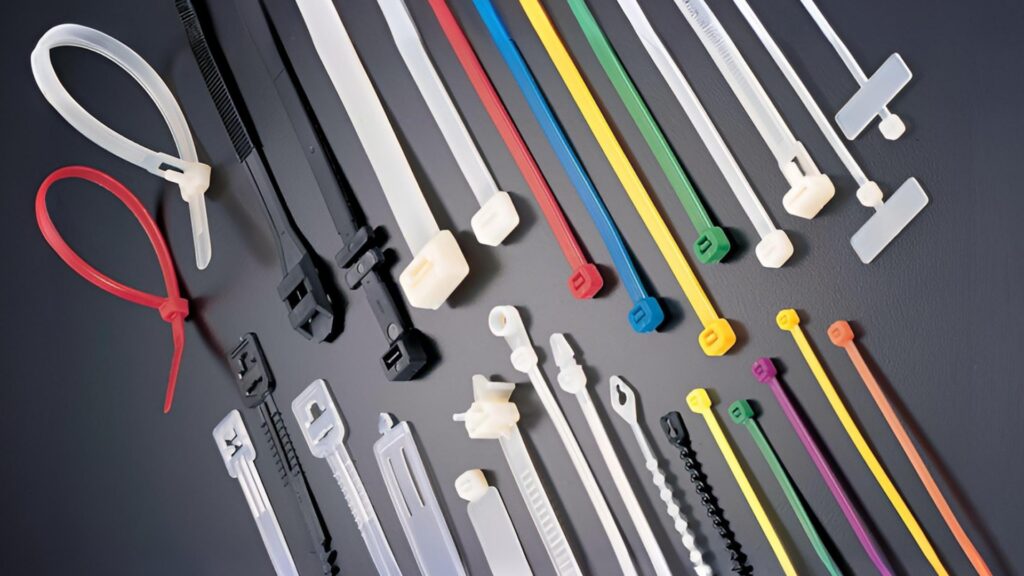
Custom cable tie cost? When buyers consider customized cable ties, the first question is always the same.Unlike standard ties, the price of a custom cable tie depends on several variables—material, moulding requirements, order quantity, colour type, printing methods, and quality standards. This article breaks everything down in a practical, procurement-friendly way, helping you understand the real structure behind custom cable tie cost before contacting any supplier. Why Custom Cable Ties Cost More Than Standard Ones Customizing cable ties—whether nylon or stainless steel—requires adjustments in either manufacturing, moulding, or post-processing. Even small customizations can influence price because: Cable ties are mass-produced with fixed moulds Any change in colour, length, width, or printing interrupts standard production Non-standard specifications typically require higher MOQs Set-up costs must be spread over quantity This means custom cable tie pricing is predictable once you understand each cost factor. Use Case Scenarios That Affect Pricing Branding & Identification Companies needing brand-coloured ties, serial numbers, QR codes, or company logos must include printing or pigment mixing costs. Industrial Safety Requirements Factories in electrical, construction, and HVAC industries may require flame-retardant, UV-resistant, metal-detectable, or high-temperature materials. Product Bundling Retail-ready packs, colour assortments, and custom packaging all add labour and material costs. Cost Breakdown: What Determines Custom Cable Tie Cost? Quantity (MOQ and price tiers) Quantity is the largest cost driver. Because the setup cost is fixed, pricing drops sharply at higher volumes. Order Quantity Cost Impact Why ≤10,000 pcs Highest Setup cost split over fewer units 10,000–50,000 pcs Medium More efficient production run 50,000–200,000 pcs Lower Stable per-unit cost 200,000+ pcs Lowest Full-line efficiency, economies of scale Rule: Low quantity = expensive per unit. Colour (standard vs. custom pigments) Most colours require pigment mixing, extra purging of machines, and downtime.Cost varies by colour type: Colour Type Example Cost Impact Standard colours black, natural Lowest Common custom colours red, blue, yellow Medium Pantone-matched colours specific brand colours High (pigment + setup) UV-stabilized colours outdoor use Higher (additives) Notes: Dark colours normally cost less than light custom colours Fluorescent and metallic pigments cost significantly more Serial Numbering / Logo / QR code(cable tie cost) Customization methods vary: Laser printing (most common) Fast setup Clear and permanent Works well for nylon and stainless steel Cost increases based on number of characters and printing speed needed Pad printing / ink printing Cheaper setup Not recommended for harsh environments Mould engraving (highest cost) Permanent Requires new mould or insert Only cost-effective at very high quantities General rule:Laser < Pad printing <<< Mould engraving. How Each Custom Feature Adds Cost (Simple Examples) Below is a simplified and realistic-style example to show price influence: Standard black nylon tie (no customization): baseline cost Same tie in custom Pantone red: +5%–15% Add laser serial number: +3%–10% Short production run <10,000 pcs: +20%–40% New mould required: flat fee $800–$3000 depending on size Actual prices vary by factory, but these ratios help procurement teams estimate early budgets. Pros & Cons of Customizing Cable Ties Pros Supports brand identity Helps traceability and quality management Improves visibility in warehouses and production lines Enables anti-tampering or security control Tailored to unique environments (UV, fire rating, metal detectable, etc.) Cons Higher MOQ Longer lead time Higher per-unit cost New moulds can be expensive Colour variations may occur slightly across batches Comparison: Standard vs. Custom Cable Tie Cost Feature Standard Ties Custom Ties Price Low Medium–High Lead Time Fast Longer Colour Black/Natural Any Pantone Serial Number No Yes Branding No Yes MOQ Very low Medium–High Mould Cost None Possible Main takeaway Custom ties are valuable only when branding, compliance, or traceability are needed. How to Reduce Custom Cable Tie Cost Choose standard sizes to avoid new mould charges Avoid multiple colours unless absolutely necessary Batch print serial numbers instead of unique IDs Increase order quantity to reduce per-unit cost Use laser printing instead of mould engraving Plan annual demand and place consolidated orders These strategies significantly reduce long-term costs. Conclusion Understanding custom cable tie cost is mostly about understanding how quantity, colour, and numbering methods influence production.With a clear view of mould fees, pigment requirements, and printing techniques, procurement teams can estimate budgets accurately—and avoid unexpected costs. Frequently Asked Questions Find answers to common questions below. What is the minimum order quantity for custom cable ties? MOQ typically starts from 30,000–100,000 pcs, depending on size and colour. How long is the lead time? Usually 15–35 days, longer when new moulds or Pantone colours are required. Does custom colour fade? High-quality pigments and UV stabilizers reduce fading in outdoor use. Can serial numbers be printed on both sides? Laser printing can be applied on either side depending on width. Are custom cable ties more brittle? Only if inferior pigments are used. Reputable factories adjust the formula to maintain tensile strength.
Cable Tie Applications: 5 Creative Uses You Should Know
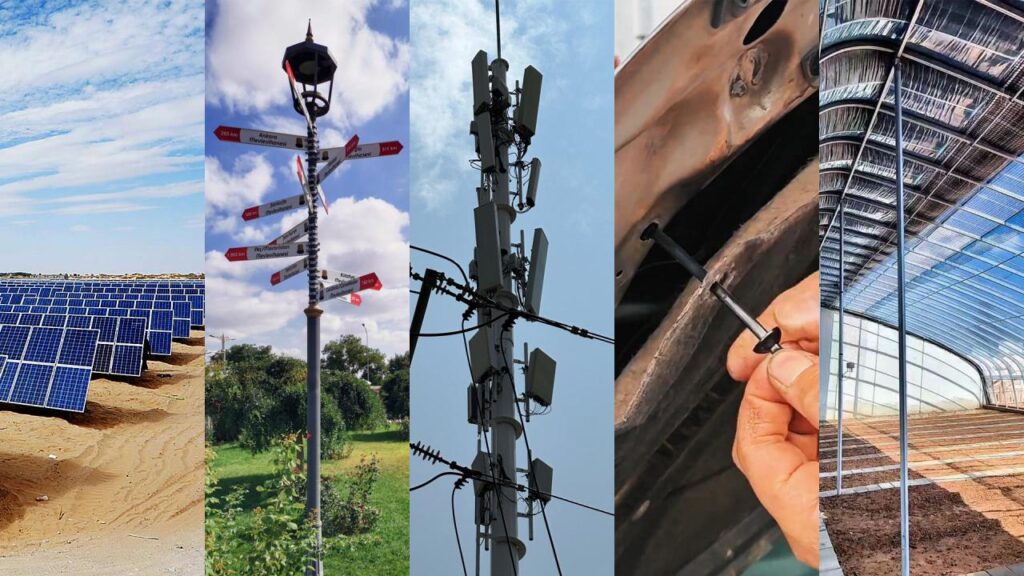
Cable tie applications extend far beyond basic cable bundling, and many users are surprised by how versatile these small tools can be. From quick emergency fixes to lightweight structural support, cable ties solve problems across home projects, industrial installations, and outdoor environments. In this article, we explore five creative and practical cable tie applications that show why these inexpensive fasteners deserve a place in every toolbox. A temporary repair tool that saves time in emergencies One of the most overlooked cable tie applications is emergency repair. In situations where a component fails suddenly, cable ties can act as rapid temporary restraints. For example, HVAC technicians sometimes use heat-stabilized cable ties to hold loose insulation in place until a permanent fix is made. Automotive users often rely on heavy-duty ties to secure hoses or wiring harnesses on the road. Even in construction, a broken latch on a tool box or a loose panel can be stabilized within seconds using nothing more than a properly rated tie. This isn’t about replacing proper repairs—it’s about preventing downtime. A $0.05 tie can sometimes buy you the crucial hours needed before a full repair can be completed. Lightweight structural support for installations Cable ties can provide structural support in lightweight installations far beyond cable routing. In event setups, organizers frequently use UV-resistant ties to secure banners, LED strips, and temporary conduit to truss frames. The ties hold strong throughout the event, withstand sunlight, and can be removed quickly afterward. In agriculture, growers often use soft-grip or wide-body variants to support plant stems without damaging them. These ties offer better load distribution compared with thin wires or twist ties, which can cut into the plant over time. Even solar installers use weather-resistant cable ties to keep sensor cables properly elevated, preventing abrasion and ensuring long-term reliability. Structural use doesn’t mean bearing heavy loads—it means providing dependable support where weight is not excessive but stability is essential. Organizing more than cables—tools, equipment, and storage The instinct is to think “cable ties = cable organization,” but the concept extends much further. Workshops use them to group drill bits, wrenches, extension cords, or any small tools that tend to scatter. Outdoor hobbyists bundle tent poles, fishing gear, or bike accessories for transport. Retail stores often secure product bundles using colored ties for easy identification. For warehouse operators, nylon cable ties become temporary inventory markers—color coding damaged items or tagging products awaiting inspection. The creativity here doesn’t come from the cable tie itself but from the mindset: anything that tends to get lost, separated, or tangled can usually be grouped with a simple fastening loop. Enhancing safety where loose items can cause risks A surprising number of accidents come from items that weren’t secured properly—loose hoses, dangling cables, unsecured signage, or equipment shifting in vehicles. This is where cable ties quietly improve safety. Electricians often use halogen-free ties in public spaces to meet fire-safety requirements. Facility managers secure temporary signage, restrict access areas, or bundle stray materials to prevent tripping hazards. In logistics, drivers secure loose tarps or straps to prevent them from flapping dangerously in the wind. In all these scenarios, cable ties reduce risk by adding order and stability. Their speed of installation means safety improvements can be implemented immediately without waiting for additional hardware. Creative problem-solving in DIY and everyday life Some of the most clever cable tie applications come from non-industrial users who simply need an easy, tool-free solution. Gardeners create improvised trellises, cyclists secure accessories to handlebars, and homeowners hang temporary decorations. One of the most popular everyday uses is making improvised hooks: loop one tie into another to form a chain, and suddenly you have a lightweight hanging system for small objects. Photographers use miniature ties to label lens caps or attach accessories. Campers tie zipper pulls, fix broken bag straps, or hang lanterns inside tents. These aren’t just “hacks”—they’re practical, repeatable solutions that rely on the inherent simplicity of the cable tie: a tiny device that produces strong, one-way locking force with zero expertise required. Why these creative uses matter to buyers Understanding these broader applications helps procurement professionals, engineers, and buyers choose the right type of cable tie—not just the cheapest option. Different tasks require different materials: UV-resistant for outdoor use, heat-stabilized for high temperatures, stainless steel for extreme environments, and soft-grip designs for delicate items. When buyers know how varied the applications can be, they tend to evaluate products more carefully, ensuring the cable ties they purchase actually match real-world conditions. This improves safety, reduces waste, and avoids premature failure. Ultimately, cable ties are small items with surprisingly large responsibilities. And when used creatively, they go far beyond cable management—they become universal problem-solving tools that serve both professionals and everyday users. Frequently Asked Questions Find answers to common questions below. 1. What are the most common cable tie applications? Cable ties are most commonly used for bundling and organizing cables, securing components in electrical installations, supporting lightweight structures, and fastening materials in construction, automotive repair, and outdoor environments. 2. Can cable ties be used for more than cable management? Yes. Many creative cable tie applications include emergency repairs, securing banners or signage, organizing tools, supporting plants in gardening, and even improving on-site safety by keeping loose items under control. 3. Are cable ties safe to use for temporary repairs? Cable ties are safe for temporary fixes when used within their load and temperature ratings. They should not replace permanent repairs but can stabilize loose components until professional work is done. 4. Which type of cable tie should I use for outdoor applications? For outdoor use, UV-resistant nylon cable ties or stainless steel cable ties are recommended. They withstand sunlight, weather, and temperature changes better than standard indoor-grade nylon ties. 5. Can cable ties be reused? Most standard cable ties are single-use because they use a one-way locking mechanism. However, reusable cable ties with release tabs are available and work well for tasks that require frequent adjustments. 6. What are the
Cable Ties: Which material fits your project?
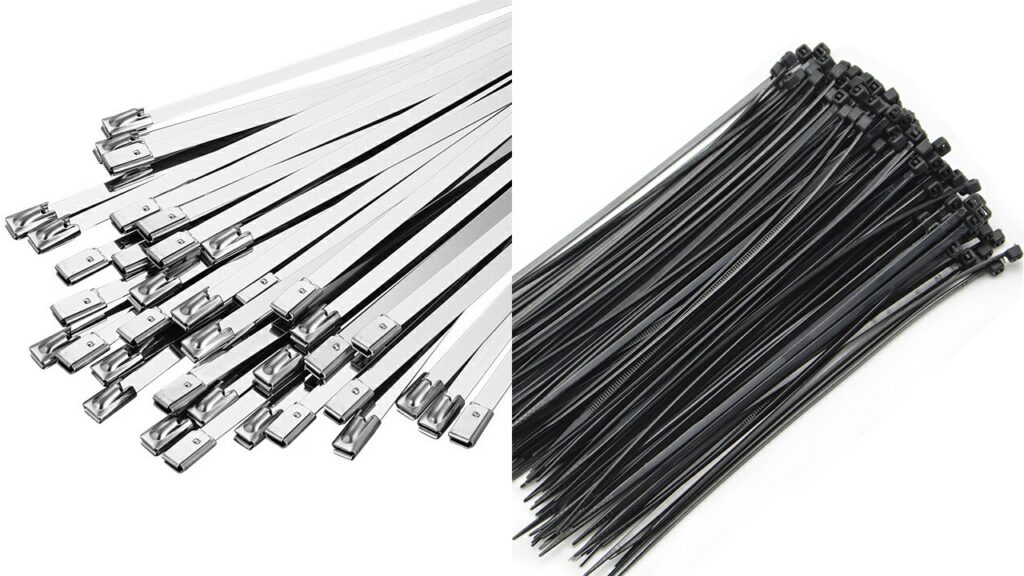
Choosing between metal cable ties and nylon cable ties is often treated as a small decision in a much larger project. But in practice, this choice determines installation lifespan, maintenance frequency, safety performance, and even compliance with industry standards. Many failures in outdoor electrical installations, solar arrays, automotive wiring, and industrial equipment can be traced back to the wrong cable tie material rather than the cable itself.This article summarizes the practical differences, buying considerations, and real engineering insights that manufacturers and installers use—but which most online guides fail to explain clearly. Understanding the Nature of Both Materials Metal cable ties and nylon cable ties share the same purpose—securing cables and components—but they behave completely differently in real environments. Nylon is a flexible, lightweight engineering plastic designed for indoor and general-purpose routing. Metal ties, usually made from 304 or 316 stainless steel, are built for tension, heat, chemicals, vibration, and environmental stress. What this means in practice is simple: nylon suits convenience; metal suits survival. But that oversimplifies the choice. The real decision depends on how long the installation must last, what it will endure, and how critical failure would be. How Environment Changes Performance Most installers think of cable ties only in terms of size or tensile strength. However, the working environment has a bigger impact than strength rating.Nylon behaves predictably indoors—quiet, dry, and shielded from UV. But expose it to sunlight or heat, and you will quickly discover its weaknesses: brittleness, fading, or sudden fracture without warning. This is why solar farms often replace nylon ties within a year even if UV-stabilized versions are used. Metal cable ties take the opposite approach. They don’t care about UV, temperature, salt, or most chemicals. They are chosen for environments where the installer cannot afford to return and fix problems—marine equipment, rooftop solar arrays, railways, and industrial machines. Their durability comes from the metal’s inherent stability, not additives. The environment dictates the material more than the budget. A cable tie failing inside a living room means mess; a cable tie failing on a high-temperature engine component means risk. Durability vs Flexibility: Why They Feel Different Most people notice the difference immediately during installation. Nylon cable ties curve naturally, bend around small bundles, and slip easily through mounts or accessories. This makes them ideal for dense wiring inside cabinets or for bundling many smaller items. Their flexibility also reduces pressure on soft insulation. Metal cable ties, however, lock into place with a rigidity that feels permanent. Their ball-lock or tooth-lock mechanisms grip the tie with little chance of loosening, and their structure resists vibration far better than nylon. This is exactly why they are used on engines, transformers, outdoor conduits, and industrial machinery.The trade-off is that they require more intention and technique during installation. When installed correctly, they become part of the structure; when installed casually, they can be overtightened or leave sharp edges—issues solved by coated versions. Temperature: The Silent Material Killer Temperature is one of the biggest reasons nylon ties fail prematurely. Nylon 66, the standard material, softens at relatively low temperatures and stiffens dramatically below freezing. Even when rated to 85°C, it becomes noticeably weaker as it approaches its limit. If the tie is carrying weight or is exposed to vibration, failure becomes likely. Metal cable ties do not soften or deform in heat, even near 500°C. This is why they are used on exhaust lines, furnaces, and industrial motors. They are unaffected by sunlight and maintain strength in freezing temperatures that make nylon snap instantly. This isn’t a small difference—it’s the line between a short-term solution and a long-term installation. Corrosion and Chemical Exposure Manufacturers of stainless steel cable ties, whether for solar or chemical plants, highlight the importance of choosing between 304 and 316 stainless steel. The difference may seem minor, but in coastal or salt-rich environments, 316 delivers dramatically longer life thanks to molybdenum-enhanced resistance to pitting.Nylon, even when UV-stabilized, cannot compete with the chemical and atmospheric resistance of steel. Oils, solvents, cleaning chemicals, and industrial vapors can weaken nylon far faster than expected. This is especially important for environments with frequent washdowns, petrochemical exposure, or outdoor installations near coastal areas. Service Life and Long-Term Cost Buyers often compare nylon and metal ties only by unit price. Nylon is cheaper, sometimes dramatically so, especially in high-volume installations. But the real cost is not the cable tie—it is the time spent reinstalling or repairing failed ones.A solar installer replacing degraded nylon ties across a 5 MW array may need days of labor. A broken tie inside an industrial machine can lead to cable abrasion, signal failure, or unexpected downtime. In contrast, stainless steel cable ties are often selected because they are a “fit once and forget” solution. From a procurement perspective, nylon suits low-risk, high-volume indoor applications. Metal suits long-term, safety-critical, outdoor, or harsh installations where maintenance costs outweigh tie price. What Professionals Consider Before Choosing Across conversations with installers, engineers, and procurement teams from Europe, Southeast Asia, and North America, a few patterns consistently appear in their decision-making: How accessible will the tie be after installation?If access is difficult—rooftop solar rails, tower structures, engine compartments—metal is preferred. What failures have they encountered previously?Most teams switch to stainless steel after experiencing multiple nylon failures in outdoor or high-heat environments. What standards are relevant to the project?Telecom, offshore, railway, and energy industries often specify stainless steel ties for compliance. Will the installation face vibration or movement?If yes, the locking mechanism of stainless steel is trusted more than nylon’s ratchet. How long must the installation last?For anything beyond 5–10 years outdoors, nylon is rarely considered. These considerations come not from theory but from repeated real-world experience. Buying Advice for Different Scenarios If the installation is outdoors Metal wins almost every time. UV, humidity, heat cycles, and pollutants shorten nylon’s life faster than most buyers expect. If cost and flexibility matter Nylon is the most efficient choice for indoor electrical cabinets, commercial equipment, and general wiring. If the installation will
UV Resistant Cable Ties: Why They Matter and How to Choose
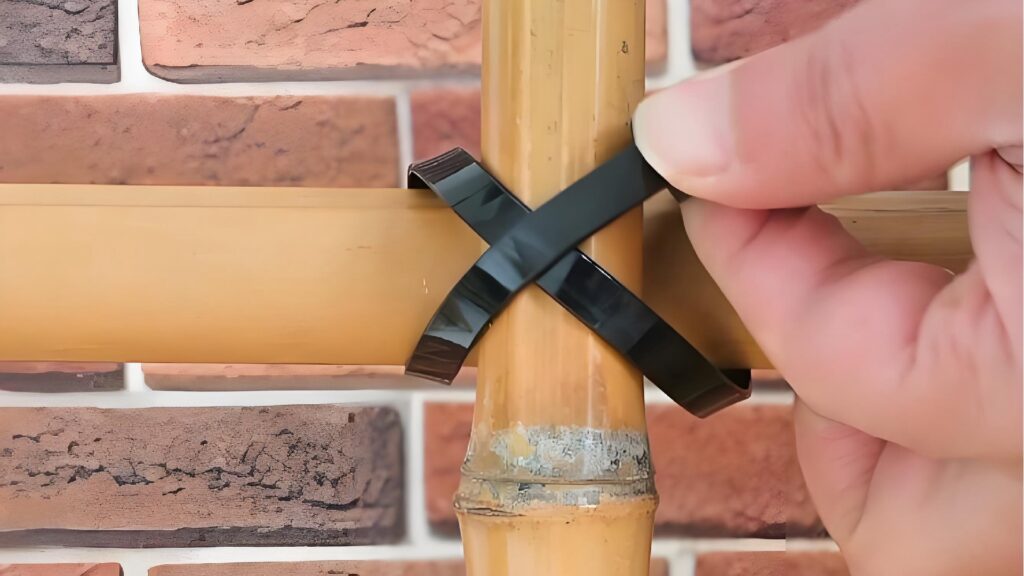
Outdoor cable management faces challenges far beyond those found indoors. Heat, ultraviolet radiation, humidity, temperature fluctuation, and long-term weather exposure can quickly degrade standard nylon ties, leading to brittleness, cracking, and unexpected failure. UV resistant cable ties solve this issue by incorporating stabilizers and additives engineered to withstand sunlight’s damaging effects. These ties are widely used in solar PV installations, telecommunications towers, outdoor lighting systems, automotive wiring, agriculture, and industrial environments that demand long-term reliability. Although UV resistant cable ties may look similar to standard nylon ties, their performance and longevity differ dramatically. This guide consolidates widely accepted industry knowledge, expands on engineering data, summarizes global best practices, and includes additional insights based on real-world application. The goal is to help buyers choose safer, more durable, and more cost-effective UV resistant cable ties for any outdoor project. Understanding UV Resistance in Cable Ties Ultraviolet radiation degrades polymers through a process known as photodegradation. When exposed to sunlight, standard nylon 6/6 begins to lose flexibility, moisture balance, and structural integrity. Over time, this results in embrittlement—causing ties to snap with minimal force. Depending on the climate, standard nylon cable ties used outdoors may fail in as little as a few months. UV resistant cable ties address this by incorporating carbon black or specially formulated UV stabilizers. Carbon black is considered the most effective UV absorber, acting like a shield that transforms harmful radiation into harmless thermal energy. This is why UV resistant cable ties are usually black rather than transparent or milky white. The carbon content improves the tie’s molecular stability and allows it to withstand years of exposure. While some manufacturers apply black coloration without adequate UV stabilization, professional UV resistant ties undergo weathering tests such as: UV exposure per ASTM G154 Outdoor accelerated aging per ASTM D4329 UL 62275 certification for cable management devices These tests verify that the tie will not crack, fade, or weaken prematurely. Why UV Resistant Cable Ties Matter Outdoor environments are unpredictable. Sunlight intensity varies by region, and areas like the Middle East, Africa, India, Southeast Asia, Australia, and the southern United States experience high solar radiation throughout the year. In such areas, ordinary nylon ties can degrade at an accelerated pace due to higher UV indexes. When cable ties fail outdoors, the consequences can be serious. On solar farms, loose DC cables may sway with wind, rub against metal edges, and cause insulation wear—leading to electrical faults or reduced system performance. In communication towers, fallen cables may interfere with antenna alignment or create safety hazards. For outdoor lighting or automotive wiring, poor bundling can cause intermittent connections or mechanical damage. Because UV resistant cable ties maintain their structural strength for years, they reduce maintenance frequency and improve the overall reliability of outdoor installations. Compared to replacing failed ties multiple times a year, using proper UV-rated ties lowers long-term costs. Material Considerations: Nylon 6/6 vs. Heat-Stabilized Nylon vs. Stainless Steel Most UV resistant cable ties are made from UV-stabilized Nylon 6/6, but not all nylon is the same. Understanding material differences helps buyers make better decisions. Standard Nylon 6/6 Performs well indoors Loses strength when exposed to UV radiation Absorbs moisture, which may affect performance in extremely dry climates UV-Stabilized Nylon 6/6 Infused with carbon black or UV additives Strong resistance against sunlight Suitable for long-term outdoor use Heat-Stabilized Nylon Resists continuous temperatures above 85°C Often combined with UV stabilization for tropical or desert environments Stainless Steel Cable Ties Provide extreme resistance against UV, heat, and chemicals Suitable for solar farms, marine environments, high-temperature zones Used when nylon performance limits are exceeded A simple comparison: Material UV Resistance Temperature Resistance Best Use Standard Nylon Low Moderate Indoor applications UV-Stabilized Nylon High Moderate Outdoor wiring Heat-Stabilized + UV Nylon High High High-heat outdoor environments Stainless Steel Excellent Very High Harsh industrial or marine settings When selecting UV resistant cable ties, buyers must consider not only UV exposure but also temperature, humidity, and mechanical stress. Applications of UV Resistant Cable Ties Because these ties survive long-term sunlight exposure, they are widely used in: Solar PV installations UV resistant ties secure DC cables along mounting rails, junction boxes, and inverters. Since solar farms often operate for more than 25 years, long-lasting cable management is critical. Outdoor lighting Streetlights, landscape lighting, and exterior building lighting rely on UV resistant cable ties to secure wiring against poles and fixtures. Telecommunication towers High-altitude UV exposure and constant wind make ordinary nylon ties unsuitable; UV resistant versions maintain strength and stability. Automotive and marine wiring Engine compartments and boat wiring often face sunlight, salt spray, and heat—conditions where UV resistant cable ties show superior performance. Agriculture and irrigation systems Drip lines, sensor cables, and pump wiring require outdoor-rated ties to remain secure under sunlight and moisture. These examples illustrate the wide relevance of UV resistant cable ties across industries. How to Choose the Right UV Resistant Cable Ties Choosing the correct UV resistant cable tie depends on evaluating several key factors: 1. UV Exposure Level and Climate Conditions Areas closer to the equator experience stronger UV radiation. For such regions, ties with higher carbon black content and proven UV testing are essential. 2. Temperature Range Outdoor temperatures can swing drastically. In cold climates, a brittle tie may snap. In hot climates, ties without heat stabilization may warp or weaken. Buyers should review the manufacturer’s temperature rating to ensure suitability. 3. Load Capacity and Tensile Strength Thicker and wider ties provide higher tensile strength. For heavy bundles, vibration-prone installations, or structural fastening, selecting the correct tensile rating ensures long-term stability. 4. Bundle Diameter and Length Using too short a tie complicates installation. Ideally, the tie should wrap around the bundle with an additional margin for secure locking. 5. Compliance with Standards Reliable manufacturers typically offer ties tested under: UL 62275 ASTM UV aging ISO quality standards Documentation helps confirm product quality. 6. Outdoor Longevity and Maintenance Requirements For projects expected to last years or decades, investing in higher-quality UV resistant cable
Stainless Steel Cable Ties:Types, Applications, and How to Choose
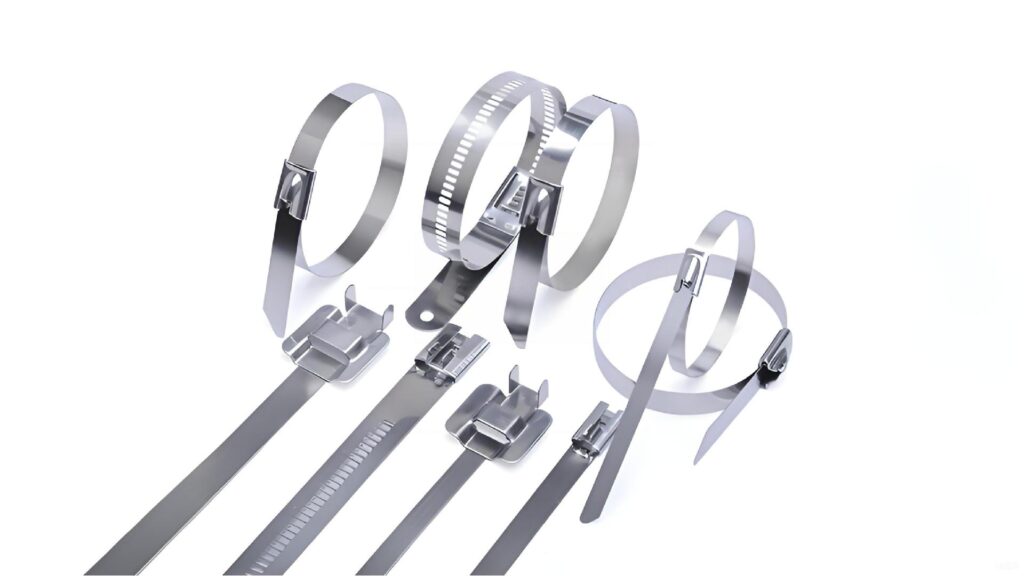
Stainless steel cable ties are essential components in industries where durability, temperature stability, and long-term reliability matter more than anything else. Unlike nylon cable ties, which are widely used in indoor or standard environments, stainless steel versions are specifically designed to withstand harsh weather, corrosive chemicals, UV exposure, and extreme heat. Because of this, they are widely adopted in electrical installations, solar photovoltaic systems, marine engineering, oil and gas facilities, transportation infrastructure, and heavy industrial projects. With many variations available—including different grades of stainless steel, multiple locking mechanisms, and multiple surface treatments—it can be difficult for buyers to determine which stainless steel cable tie is truly suitable for their specific environment. This guide consolidates the most important knowledge from the global market, combines industry standards with practical insights, and introduces additional perspectives to help you make a more confident and informed decision. Understanding Stainless Steel Grades: 304 vs. 316 Two major material grades dominate the market: 304 stainless steel and 316 stainless steel. Both offer strong tensile strength and corrosion resistance, but they perform differently in demanding conditions. 304 stainless steel is commonly used because it offers a strong balance between cost and performance. It resists oxidation, everyday chemicals, and standard outdoor weather. For many general industrial projects, 304 stainless steel cable ties are more than sufficient. 316 stainless steel, on the other hand, contains added molybdenum, which significantly boosts its resistance to chlorides, saltwater, and acidic environments. If a project involves marine exposure, coastal installation, chemical plants, or long-term outdoor deployment where rust must be minimized, 316 stainless steel is often the preferred solution. Because it delivers higher durability while maintaining flexibility and strength, it is widely used in solar photovoltaic mounting, offshore wind structures, and shipbuilding. A direct comparison helps clarify the difference: Understanding this distinction is often the first step toward selecting the correct stainless steel cable tie. Locking Mechanisms: Self-Locking, Ball-Lock, Ladder-Lock, and Releasable Stainless steel cable ties employ different locking mechanisms to accommodate various installation needs. The self-locking type is the most common; it uses a fixed metal tooth inside the locking head to grip the tie as it is tightened. This design offers simplicity, speed, and strong resistance against vibration. The ball-lock mechanism is widely used for heavy-duty applications. It uses a stainless steel ball bearing that automatically clamps onto the strap surface, providing higher tensile strength compared to ordinary tooth locks. Because the surface contact is wider and smoother, the ball-lock system can maintain its grip even under thermal cycling or prolonged vibration. The ladder-lock structure resembles the tooth style used in nylon cable ties, but built in stainless steel. It allows more flexibility, making it suitable for medium-duty purposes and installations where some adjustability is required during tightening. Releasable stainless steel cable ties are less common because most metal tie applications prioritize permanent fastening. However, some manufacturers offer versions with a small release tab to allow repositioning. These are mainly used when cables may need to be temporarily secured or adjusted. Coating Options: Uncoated, PVC-Coated, and Epoxy-Coated Some stainless steel cable ties are left uncoated, exposing the metal surface directly. These ties are ideal for general industrial use because they maintain a clean, professional appearance and strong tensile strength. PVC-coated and epoxy-coated options add an extra protective surface, which helps prevent galvanic corrosion when the tie contacts dissimilar metals. Coated versions are also quieter during vibration and reduce abrasion against sensitive cables. Because coated stainless steel ties offer electrical insulation, they are widely used in telecommunications, signal wiring systems, and areas where vibration is constant, such as railway lines or transformers. Applications Across Industries Stainless steel cable ties play a vital role in numerous sectors. Their ability to withstand temperatures ranging from –80°C to over 500°C makes them suitable for environments where nylon ties cannot survive. One of the most common application fields is solar PV mounting systems. Here, the ties secure DC cables along metal frames exposed to high UV radiation and constant weathering. Engineers often choose 316-grade ties due to the long service life requirements. In the marine field, stainless steel cable ties secure pipes, cables, or signs on ships or ports. Because seawater corrosion is extremely aggressive, only highly corrosion-resistant materials are acceptable. Industrial facilities use these ties for furnace areas, chemical pipelines, refineries, and high-temperature zones. Transportation sectors—such as railways and highways—use stainless steel ties because they do not degrade under sunlight or extreme seasonal temperatures, ensuring long-term safety and stability. How to Choose Stainless Steel Cable Ties Choosing the right stainless steel cable tie requires clear evaluation of several factors. The first is understanding the environment: will the installation face saltwater, long-term UV exposure, or high heat? If so, 316 stainless steel is usually the safer choice. The second factor is tensile strength. Each tie is rated for a specific load, and choosing a tie with insufficient strength can cause failures over time. Heavier bundles, large diameter pipelines, or structural fastening applications should use ball-lock metal ties because they can exceed 100kg of tensile strength. The third consideration involves coating and compatibility. If the tie is securing cables that require abrasion protection or involve contact with dissimilar metals, a coated version will prevent electrochemical reactions and extend cable life. Length and width selection also matters. Wider ties offer greater strength and stability, but must be matched with the available space and the diameter of the bundle. Finally, installation tools play a key role in achieving proper tension. Many heavy-duty stainless steel ties require a specialized tensioning tool to ensure consistent tightening and clean cut-off edges, improving safety during handling. Quality Standards and How to Identify a Reliable Manufacturer Reliable stainless steel cable tie manufacturers follow strict industry standards and produce ties using high-quality materials with consistent mechanical performance. UL certifications, ISO quality systems, and salt-spray corrosion testing are common indicators of a dependable supplier. A professional manufacturer typically provides comprehensive product data sheets including tensile strength, material grade confirmation, temperature resistance, and chemical compatibility guidelines. Furthermore,
How to Determine if a Cable Tie Supplier is Reliable?

Choosing the right cable tie supplier may seem simple at first—after all, cable ties are basic consumables, widely used in electrical work, construction, automotive wiring, industrial installations, and household projects. But in reality, selecting a reliable supplier is not just about finding the lowest price or the largest warehouse. A dependable supplier ensures consistent product quality, stable supply, accurate certifications, and trustworthy communication. These factors directly influence your business reputation, customer satisfaction, and the long-term stability of your supply chain. In this article, we will explore the key elements that help you determine whether a cable tie supplier is truly reliable. Rather than simply listing features, we will walk through real-world considerations based on industry experience, comparisons between different manufacturing regions, and practical checks that any buyer can perform. The goal is to help you avoid risks, reduce procurement errors, and ultimately choose a partner who supports your business for the long run. Start by Examining Their Product Quality Consistency Every reliable cable tie supplier should offer stable and predictable quality across all batches, not only in samples. High-quality cable ties have smooth surfaces, strong locking heads, and consistent dimensions. Even a small defect—such as rough edges or weak locking teeth—can affect the product’s performance in electrical wiring or industrial applications. To evaluate consistency, you can check: Surface finish:Smooth, free from bubbles or cracks Locking mechanism:Strong grip with no slipping Dimension tolerance:No significant deviation across batches Tensile strength data:Should meet international standards Temperature and UV performance (for outdoor products) A dependable cable tie supplier will also provide tensile testing results, heat-aging tests, and UV resistance reports for the appropriate products. Smooth quality across large quantities is often the biggest indication of a supplier’s professionalism. Verify Their Material Sources and Production Technology Nylon cable ties rely heavily on the purity and stability of nylon 66, while stainless steel cable ties depend on the grade and quality of the metal. A reliable cable tie supplier should be transparent about their raw material sources and avoid using recycled materials for export-grade products. Strong suppliers usually: Use virgin nylon 66 for standard and industrial cable ties Avoid recycled material for structural parts Maintain long-term cooperation with stable material factories Use advanced injection molding equipment Conduct daily calibration of molds Follow strict batch control processes UHElectric insists on using virgin materials. A stable material supply chain means less fluctuation in color, hardness, tensile strength, and durability. This is especially important for industries like electrical installation and solar energy, where reliability cannot be compromised. Check Their Certifications and Compliance Documents Authentic certifications reflect not only compliance but also a supplier’s commitment to quality control. The most important ones for cable ties include: ISO9001 quality management RoHS environmental compliance REACH chemical safety UL94V-2 flame-retardant rating (depending on product type) A reliable cable tie supplier will provide valid documents with traceable numbers. If a company hesitates or provides incomplete paperwork, that’s a warning sign. Certifications should always match the specific product models being exported. Evaluate Their Manufacturing Experience and Supply Stability The cable tie industry has mature standards, but not every factory has the same depth of experience. Long-running suppliers generally offer: Better control over mold maintenance More stable product quality Faster production and restocking Smoother export procedures Better packaging options Factories with 10+ years of experience typically understand global market expectations more clearly. They also tend to invest more in automated lines, which ensures continuous production even during peak seasons. A new or inexperienced supplier may offer lower prices but often struggles with consistent quality and timely delivery. A truly reliable cable tie supplier combines experience, equipment, and process management to ensure smooth supply year-round. Assess Their Communication Efficiency and Professional Knowledge A skilled supplier should provide clear answers on all key aspects, encompassing material grade, manufacturing process, performance ratings, packaging specifications, shipping schedules, certification details, and problem-solving measures. A good cable tie supplier does not respond with vague or generic answers. Instead, they demonstrate understanding of industry standards, explain why certain products suit specific applications, and offer guidance based on real technical knowledge. Clear and professional communication often reflects strong internal management. Review Their Packaging Quality and Attention to Detail Even though cable ties are simple products, their packaging often reflects the supplier’s overall quality standards. Good packaging prevents deformation and maintains product cleanliness and structure throughout long-distance transport. Reliable suppliers offer: Neatly sealed bags Accurate labeling Cartons that match export standards Moisture-resistant storage Consistent bundle counts While some buyers may request customized packaging, this is generally an optional service. Since cable ties come in hundreds of sizes and variations, you often don’t need customization. And if customization is necessary, a professional supplier will explain that high MOQ and longer lead time apply because even a 1 mm modification requires a new mold—something costly and time-intensive in this industry. Consider Their Pricing, but Don’t Choose the Cheapest Price is important, but extremely low pricing can indicate problems such as the use of recycled materials, underfilled molding leading to weak tensile strength, higher defect rates from inconsistent production, and poor storage conditions. A trustworthy cable tie supplier offers reasonable pricing that reflects material cost, manufacturing complexity, and quality control. Too-cheap options often end up costing you more due to returns, complaints, or damaged customer reputation. The best approach is to compare pricing from several experienced suppliers and choose one that balances quality and cost. Look at Their Export Capability and Shipping Efficiency Exporting small hardware products like cable ties is not complex, but experienced suppliers handle documentation, customs, and logistics far more smoothly. Their shipping team should know how to prepare: Packing lists Commercial invoices Certificates of origin HS code documentation Palletizing and container arrangements A supplier with well-organized shipping processes ensures your goods arrive on time and avoid unnecessary delays. This is an important trait of a reliable cable tie supplier. Request Samples and Compare Them Carefully Samples are still one of the best ways to evaluate reliability; when you receive them, be sure to
Why Choose a Chinese Cable Tie Supplier?
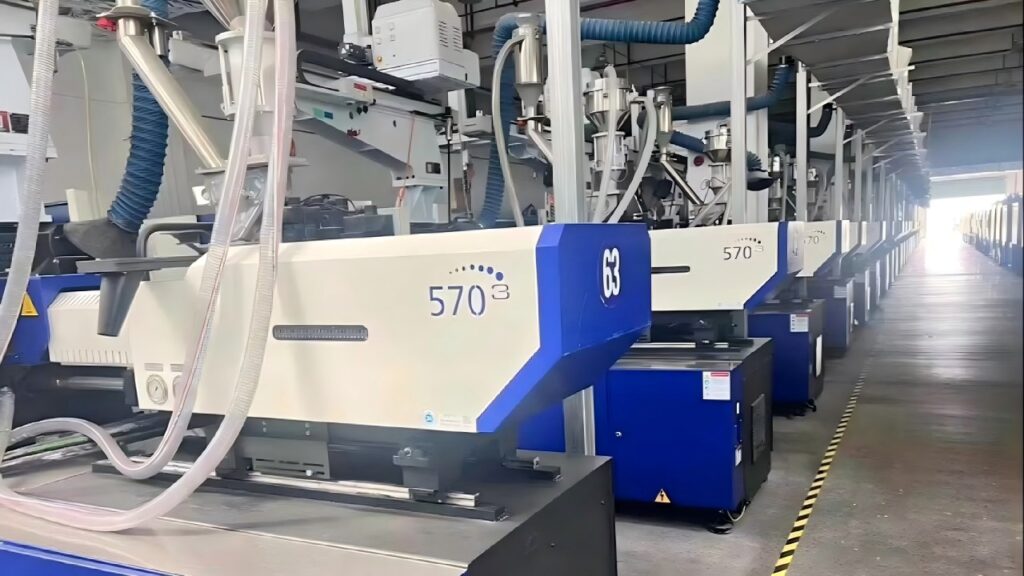
Wholesalers, large corporations, and various global enterprises are increasingly choosing Chinese cable tie suppliers. Many wonder why. China boasts a massive cable tie production capacity, coupled with a mature supply of plastic and stainless steel materials, resulting in very low prices, especially for nylon cable ties. While other countries may offer similar prices, their quality and production capacity are less consistent. Choosing Chinese cable tie suppliers is the best solution for improving business efficiency and economics. Direct purchases from Chinese cable tie factories can even reduce prices to as low as $0.002 for small cable ties and $0.10 for long ones. This article will provide a detailed overview of Chinese cable tie suppliers, covering product quality, industry standards, manufacturing advantages, price advantages, factory capabilities, transportation methods, and comparisons with other countries. Why are Chinese cable tie manufacturers your best choice? To obtain the absolute lowest prices, purchase directly from Chinese cable tie manufacturers, whether for bulk purchases or custom orders. Send Inquiry Now Strong and Mature Supply Chain China’s cable tie industry was already quite established 20 years ago. A complete supply chain followed closely behind. From high-quality raw materials to mold design, these are all key factors affecting the performance of cable tie products. Convenient Supply of High-Quality Raw Materials By the end of 2024, the global PA66 production capacity reached 3.51 million tons/year, with China accounting for 1.29 million tons/year, or 37% of the global capacity. China is undoubtedly the largest producer of raw materials, possessing the most convenient advantage in high-quality raw material supply. Experienced Mold Development Mold development requires meticulous attention to detail; even a slight deviation can prevent the production of decent products. The following are examples of Chinese mold development expertise. Inspection standards for tools: Mold material: dimensions, hardness and composition content (once per quarter) Outsourced parts: dimensions and appearance Sample sample material: external dimensions, perpendicularity, positional dimensions, appearance Milling: screw holes, threading holes, water channels, spring holes, position and quantity of injection holes Grinding: external dimensions, perpendicularity, positional dimensions CNC machining: external dimensions, cavity dimensions, hole dimensions, positional dimensions EDM: external dimensions, cavity machining, hole dimensions, positional dimensions, injection dimensions (to prevent carbon buildup) In addition to these, the selection of measuring tools and tolerances also have strict standards Price advantage, but not inferior quality One of the most important reasons why many wholesalers and large companies choose Chinese cable tie suppliers is that their prices are much lower than those of European and American suppliers, but their quality is the same. For What’s cheaper? It’s not just about the advantages in raw materials:Efficient laborAutomated production linesLarge-scale production reduces unit costsSummary: Chinese suppliers can maintain better prices while ensuring standards remain unchanged. How is the quality? Generally, Chinese factories follow the following regulations: ISO9001 quality management system RoHS directive for environmental compliance REACH chemical safety regulations UL electrical safety certification This ensures that the cable ties you receive from China can be safely used in electrical, automotive, or industrial applications. Complete product range, suitable for all industries As a major consumer country, China’s complete product range is one of its biggest advantages. Easily find the style you want Standard Nylon Cable Ties: They come in a wide variety of lengths: 80mm/100mm/120mm/150mm – 2000mm Heavy-duty Cable Ties: The widest cable ties can even reach 30mm, and the load-bearing capacity can even reach 200kg (this may vary depending on the material and temperature) Stainless Steel Cable Ties: From inexpensive 201 stainless steel to standard 304 stainless steel and 316 stainless steel cable ties suitable for salt spray environments and marine facilities UV Resistant Outdoor Cable Ties: Cable ties used in outdoor environments, with characteristics such as resistance to high and low temperatures, UV radiation, and acid and alkali corrosion Removable Cable Ties: Can be perfectly removed after temporary fixing Marking Cable Ties: The head of the cable tie has an extra flat surface for attaching specific markings Fire-resistant Cable Ties: Specific materials are used to achieve a fire rating of UL94 V0 And many more styles, allowing us to source different types of cable ties in one stop in China, reducing our procurement, shipping, and quality control costs. Customizable Options Chinese cable tie factories also support comprehensive customization services from length, width, color, marking, tensile strength, packaging, etc., which is very friendly to brand owners, OEM projects, or distributors selling products under their own brands. However, this may require a certain threshold for buyers making small-batch purchases. Strong production capacity ensures fast delivery The demand for cable ties is very high. Many automated production lines in Chinese factories operate 24 hours a day, with automatic glue feeding, sorting, and packaging systems. Estimated average delivery time Regular cable ties: In stock, same-day delivery Stainless steel cable ties: In stock, same-day delivery Customized packaging: 5-7 days Bulk container orders: 7-12 days This speed is very fast for buyers with urgent orders. Product Quality Standards Tensile Strength Test Each batch of products undergoes random sampling for tensile testing and salt spray testing to ensure consistency across large quantities of products. Material Purity Excellent factories conduct random checks on each incoming raw material to prevent the use of recycled materials that could affect product performance. OEM and Packaging Services Buyers can freely choose their desired packaging, including plastic bags, boxes, cartons, rolls, barcodes, or printed branding. This is a significant advantage for buyers with their own brands. You can directly purchase Chinese-made cable ties without repackaging them for local sales. Transportation Options Many countries are located near major ports like Ningbo and Shanghai, and their domestic transportation networks are highly developed, making export transportation via rail, express delivery, sea freight, and air freight very convenient. Communication and Export Experience China is a major exporting country. In China, you don’t need to worry about language barriers. They have mature sales teams and a complete understanding of trade terms such as EXW, FOB, and CIF, making communication with Chinese cable tie suppliers direct and efficient. How Chinese Suppliers Compare With