
What Size Do Cable Ties Come In?
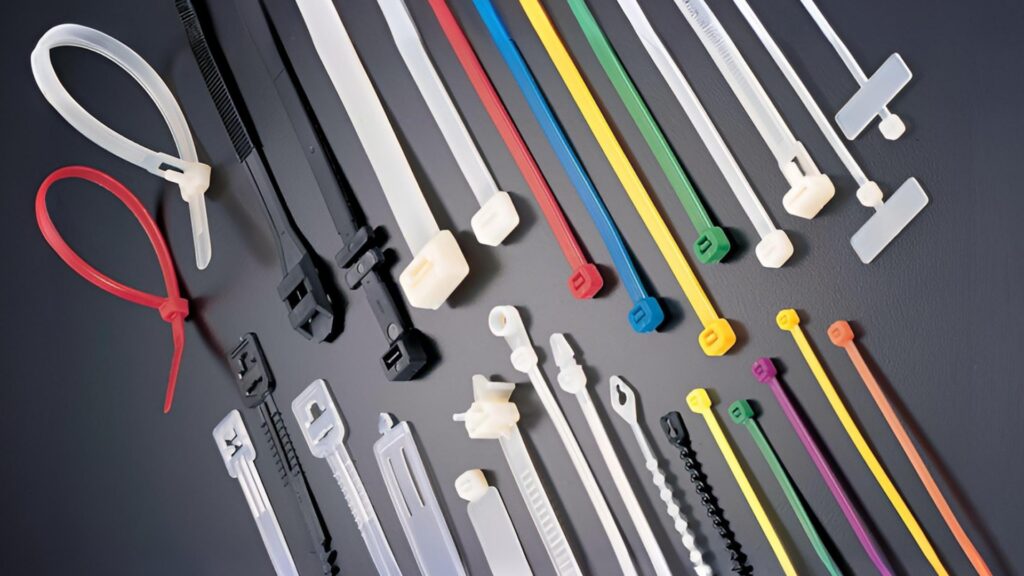
Lots of people don’t wonder how big or how small they can get a cable tie or cable tie–until they need one. Then, the size of these tools becomes very relevant. You sometimes need every scrap of a cable tie to get a job done and close the tie. When you have a skinny gap you need to get a cable tie through, or long cable ties to help your projects go the distance, UHElectric has you covered. Let’s jump right into some of the specifics of our catalog. What Are the Different Sizes of Cable Ties? You can think about the size of cable ties in terms of both length and width. A cable tie can be short and wide, long and thin, or many combinations in between. With that said, some sizes are in higher demand than others. Some lengths and widths will have dozens of options, while more specialized needs might have only six or seven varieties available. Cable Ties By Length On the UHElectric website, you can find a variety of cable ties ranging in length from 80mm to 1500mm. Click on the length you need in the list below to go to the product page for the corresponding size. 80mm 100mm 120mm 150mm 200mm 250mm 300mm 350mm 400mm 450mm 500mm 550mm 600mm 650mm 700mm 750mm 800mm 850mm 900mm 950mm 1000mm 1100mm 1200mm 1300mm 1400mm 1500mm 2000mm Cable Ties By Width Cable ties are measured in millimeters in length and width. This is because most cable ties are narrow, and measuring in inches would not provide the same precision. UHElectric offers cable ties as narrow as 2.5 mm (0.09 inches) and as wide as 8.8 mm (0.3 inches). Click on the width you need in the list below to go to the corresponding size’s cable tie page. 2.5mm 2.7mm 3.6mm 4.6mm 4.8mm 7.6mm 7.9mm 8.8mm Cable Ties By Color Cable ties also come in many colors, typically used to identify different applications and organize cable bundles. Different colors allow for quick identification and maintenance of cable or item classification. Click on the list below to select the cable tie color you need. Black Green Grey Natural Orange Pink White Yellow How Big Are Heavy Duty Cable Ties? Heavy duty cable ties are judged by their tensile strength. This means how much weight the cable tie/zip tie can hold before it snaps. Heavy duty cable ties are classified as those that can hold at least 120 lbs. There are some on the market that can hold 450 lbs or more. At UHElectric, our nylon heavy duty cable tie selection holds from 120 to 179 lbs. We rigorously test each batch of ties to make sure they all meet the same quality standards. Usually, when a cable tie breaks, it is going to be at the head, though the stem (long part) can also break or become weak over time if it is holding too much weight. This is especially true if you choose cheaper cable ties made with lower-quality plastic. UHElectric carries mainly high-quality Nylon 6.6 cable ties, which can stand up to temperatures anywhere from -40 to 185 degrees Fahrenheit. What Are the Different Types of Cable Ties? Why do cable ties come in so many different sizes? Because they have so many different uses! Here are just some of the types of cable ties that might work for you. Still don’t see the type or size of cable tie you need? Visit UHElectric.com and do a custom search to find more options.
Advantages and disadvantages of nylon cable ties and plastic ties
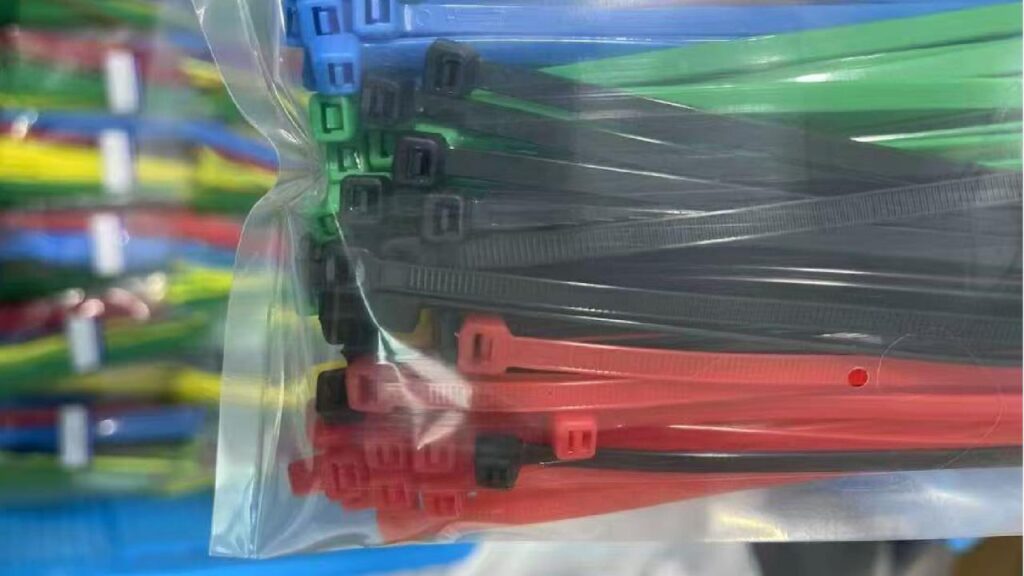
The difference between nylon cable ties and PVC ties is mainly in the following aspects. I. Anti-aging ability The difference between nylon ties and PVC ties lies in the different anti-aging abilities. The long-time use of PVC ties will lead to the aging of the surface, and the internal wire will be exposed and lacerate the object, which will lead to a certain danger, especially when used in electric wires and appliances, where there will be the danger of electrical conductivity. The nylon ties have good anti-aging ability and insulation performance, which can slow down the aging process of the ties and avoid accidents. II. Corrosiveness Since self-locking nylon ties are made of PA66 material, nylon ties have certain advantages in corrosion resistance, while PVC ties are easy to decay or weather with the passage of time due to their low corrosion resistance, bringing great impact to the bound objects. Nylon ties, on the other hand, have good corrosion resistance and can be used normally in domestic and industrial settings. III. Operability Traditional Pvc ties are tedious in actual operation, and it is difficult for workers to operate on the same scale, resulting in higher labor costs. The nylon ties, on the other hand, are simple to use and can bring higher efficiency for enterprises. IV. Tensile strength Nylon ties are strong and reliable, with high tensile strength, impact resistance,e and wear resistance, which effectively prolongs the service life of self-locking nylon ties. In actual use, not easy to break, more in line with the contemporary users of economic tie products. V. Environmental protection Traditional PVC material has certain pollution to the environment, which is not conducive to the requirements of modern green development, while nylon ties are made of PA66, which has good environmental protection.
How Much Weight Can a Cable Tie Hold?
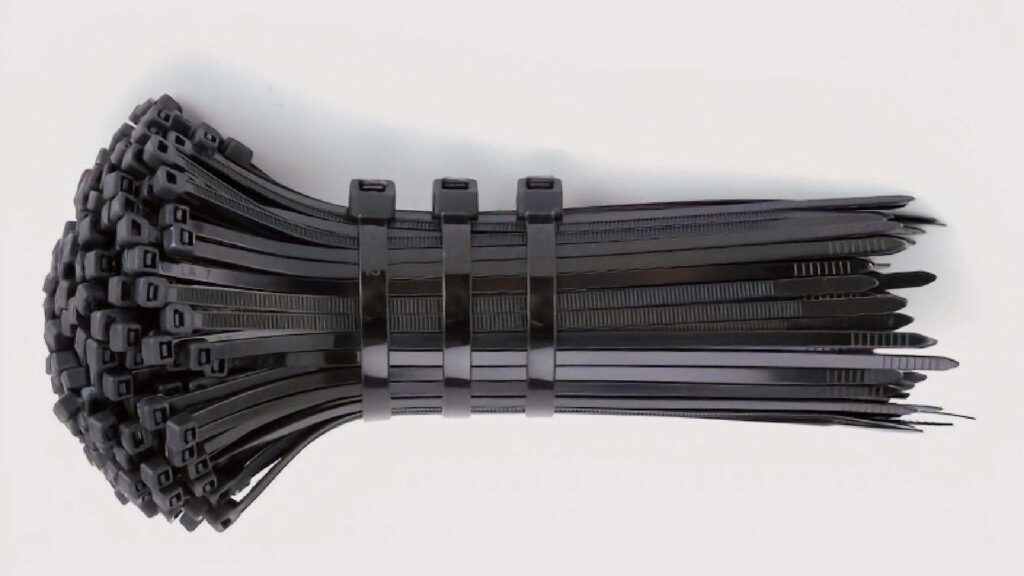
Cable ties are widely used in industries ranging from electrical work to the food industry, automotive, and even household applications. While they may seem small and lightweight, their weight-holding capacity varies based on material, type, and size. Understanding the strength and load limits of different cable ties is essential for choosing the right type for your needs. Here, we’ll explore how strong cable ties are by differentiating the weight capacity of standard and heavy-duty cable ties, factors affecting their strength, and methods to test their durability. Understanding Cable Ties’ Weight Capability Standard Cable Ties Standard Cable ties are lightweight, flexible, and commonly used for bundling wires, organizing cables, and securing lightweight objects. They are typically made from nylon 6/6, which provides moderate tensile strength while maintaining durability. Heavy Duty Cable Ties Heavy duty or industrial strength cable ties are designed for high-stress applications, providing significantly higher tensile strength and resistance to environmental factors. They are commonly used in automotive, aerospace, construction, and outdoor applications. Extra Heavy Duty Cable Ties Extra heavy duty cable ties are designed for the most demanding applications, providing exceptional tensile strength and durability. These ties are perfect for securing oversized bundles, heavy equipment, and critical installations in industrial, marine, and infrastructure projects. Cable ties, also known as cable ties, are versatile tools used across various industries for bundling, securing, and organizing items. Their tensile strength and applications vary based on type, size, and material. Below is a table summarizing different types of cable ties, their typical tensile strengths, and common uses: Type of Cable Tie Tensile Strength Common Uses Standard Nylon Cable Ties 18 to 250 lbs General-purpose applications such as organizing cables and wires in residential and office settings. Stainless Steel Cable Ties 200 to 485 lbs Environments with extreme temperatures, UV exposure, or corrosive conditions are commonly used in HVAC installations and marine settings. Heavy Duty Nylon Cable Ties 120 to 250 lbs Industrial, Aerospace, and commercial applications require higher strength for securing heavy cables and equipment. Extra Heavy Duty Cable ties 350 to 485 lbs Perfect for fastening bulky objects and tying up long cables in construction, industries, and outdoor settings. Factors Affecting Cable Tie Strength Several factors influence the strength and durability of cable ties: Material Composition: Nylon cable ties are suitable for general use but may degrade under UV exposure. UV-resistant variants are available for outdoor applications. Width and Thickness: Wider and thicker ties generally offer higher tensile strength. Environmental Conditions: Exposure to extreme temperatures, chemicals, or moisture can affect the performance of cable ties. Stainless steel ties are recommended for harsh environments. FAQs on Cable Tie Strength and Weight Capacity Do Cable Ties Have a Weight Limit? Yes, the maximum weight a cable tie can support before breaking is determined by its specific tensile strength. Manufacturers usually list this, and it varies according to the length, width, and material of the cable tie. How to Test Cable Tie Strength? To test a Cable tie’s load bearing capacity, follow these methods: How Much Strength Does It Take to Break a Zip Tie? The force required to break a zip tie depends on its tensile strength. A standard zip tie (18 lbs) can be broken with moderate force, while a heavy-duty zip tie (120–250 lbs) requires significant cutting tools or extreme force. Understanding the weight capacity of zip ties is essential for ensuring safe and effective use in different applications. For industrial use of zip ties, adherence to ASTM and OSHA standards must be taken into account. Whether using standard zip ties for cable management or industrial-strength zip ties for heavy-duty applications, selecting the right type based on tensile strength, material, and environmental resistance will help prevent failures and enhance durability. When selecting zip ties, always check our specifications and features, take the environment into account, and, if required, perform strength tests.
How to Use Metal Cable Ties
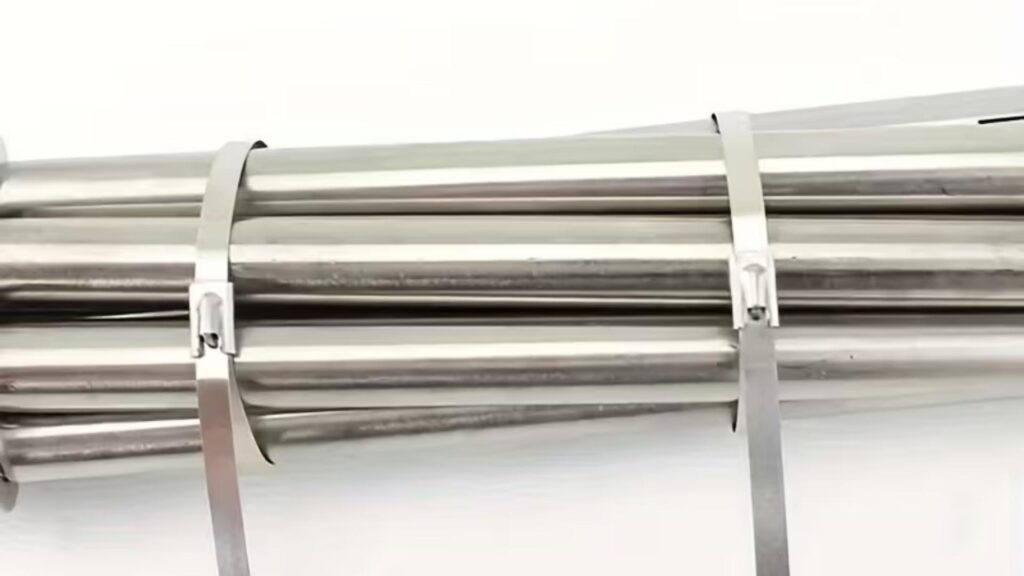
Use metal cable ties when strength, heat resistance, or durability is critical. Unlike nylon cable ties, metal cable ties—usually made from stainless steel—are designed for harsh environments such as high temperatures, vibration, outdoor exposure, and industrial settings. This guide explains how to install metal cable ties correctly, what tools to use, and how to avoid common mistakes that lead to cable damage or unsafe installations. What Are Metal Cable Ties Used For? Metal cable ties are commonly used in: Automotive and engine compartments Industrial machinery and equipment Solar and outdoor installations Marine and coastal environments High-temperature or high-vibration areas Their strength and resistance to UV, heat, and corrosion make them suitable where nylon ties fail. Tools Needed to Use Metal Cable Ties While metal cable ties can be tightened by hand, proper tools improve safety and consistency. Recommended tools: Stainless steel cable tie tensioning tool (best option) Side cutters or flush cutters (for removal only) Protective gloves (to avoid sharp edges) A tensioning tool applies even force and cuts excess tail cleanly, reducing sharp edges. Stainless steel cable tie tensioning tool Step-by-Step: How to Use Metal Cable Ties Step 1: Position the Cable Tie Wrap the metal cable tie around the cable bundle or object. Ensure cables are properly aligned and not twisted or crossed. Step 2: Insert the Tail into the Locking Head Feed the tail through the locking mechanism. Pull until the tie is snug, but do not fully tighten yet. Step 3: Apply Controlled Tension Using a tensioning tool, tighten the metal cable tie gradually. Secure the bundle firmly Avoid crushing cable insulation Leave slight allowance for vibration or thermal expansion Controlled tension is critical when you use metal cable ties. Step 4: Cut the Excess Tail Cleanly Most tensioning tools automatically cut the tail flush once the desired tension is reached.If cutting manually, ensure the cut is smooth and flush to prevent sharp edges. Step 5: Inspect the Installation Check that: The tie is secure Cables are not pinched or damaged No sharp edges are exposed A quick inspection prevents long-term issues. Common Mistakes When Using Metal Cable Ties Use Metal Cable Ties 2 Over-Tightening Metal cable ties do not stretch like nylon. Over-tightening can damage cable insulation or deform soft materials. No Edge Protection When used near sharp metal edges, add grommets or sleeves to prevent abrasion. Using the Wrong Type Uncoated metal cable ties may damage sensitive cables. In such cases, coated metal cable ties are a better choice. Coated vs Uncoated Metal Cable Ties Uncoated metal cable ties: Best for maximum heat resistance and structural strength Coated metal cable ties: Protect cable insulation and reduce vibration damage Choose based on cable sensitivity and environment. Safety Tips When You Use Metal Cable Ties Always wear gloves during installation Use proper tools to avoid sharp tails Do not reuse single-use metal cable ties Cut and dispose of removed ties safely Metal cable ties are strong—but must be handled correctly. Conclusion Knowing how to use metal cable ties properly ensures secure fastening, longer service life, and safer installations. By using the right tools, applying controlled tension, and choosing coated or uncoated versions appropriately, metal cable ties become one of the most reliable fastening solutions for demanding applications. Frequently Asked Questions Find answers to common questions below. Can metal cable ties be reused? No. Most metal cable ties are single-use and must be cut for removal. Do metal cable ties damage cables? They can if over-tightened or used without coating. Proper tension and coated versions reduce risk. Are metal cable ties suitable for outdoor use? Yes. Stainless steel cable ties perform extremely well outdoors and in corrosive environments.
How to Choose Cable Ties for Heavy-Duty Industrial Use
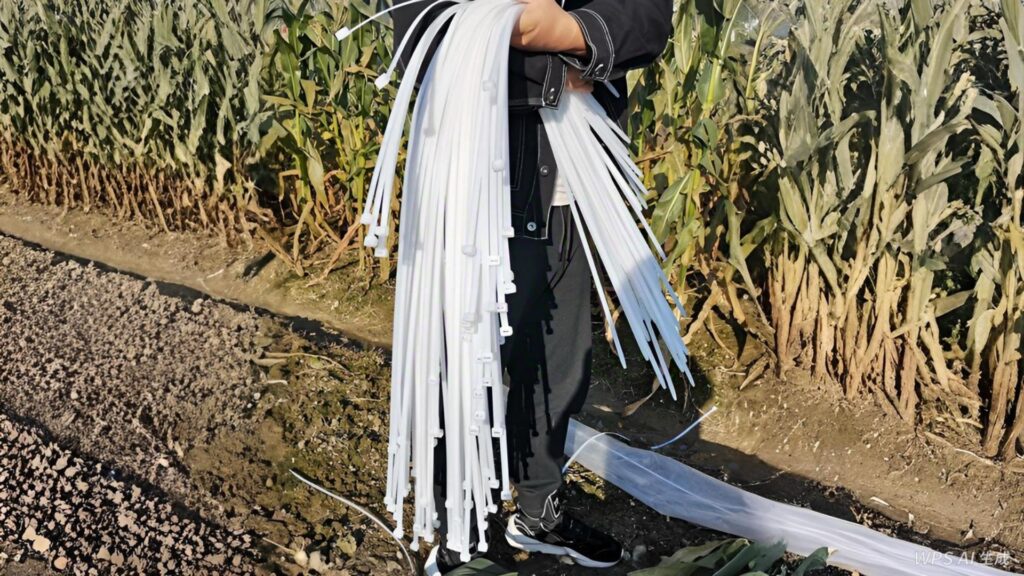
Selecting the right heavy-duty industrial cable ties is about more than just grabbing the thickest tie you can find. In demanding industrial environments—where vibration, extreme temperatures, chemicals, moisture, and heavy loads are daily challenges—the wrong choice can lead to frequent failures, downtime, or even safety hazards. This guide explains how to choose cable ties that are truly designed to withstand industrial use, what specifications matter most, and how to match product features with real-world application needs. Understand Your Application Requirements Heavy-duty applications vary widely, from industrial machinery harnesses to outdoor steel structures. Before choosing, ask: Will the ties be exposed to vibration or shock? Is the environment indoors or outdoors? Will chemicals, oil, or solvents be present? What temperature range will the ties face? Are the ties going to hold static cables or dynamic components? The answers to these questions dictate material, strength, and long-term performance expectations. Material Selection: Stainless Steel vs High-Grade Nylon Stainless Steel Cable Ties Best performing option for heavy-duty industrial use. Advantages: Extremely high tensile strength Unaffected by UV, corrosion, chemicals Excellent for outdoor, coastal, or chemical plant environments Maintains strength in high temperature or heat cycling Typical Use Cases: Industrial machine harness support Outdoor infrastructure cabling Corrosive environments High vibration machinery Note: Stainless steel ties usually need a proper tensioning tool for consistent installation. High-Grade Nylon Cable Ties A viable heavy-duty choice when stainless steel is not necessary. Key Attributes: Heat-stabilized or UV-resistant formulations Larger widths (7.5mm to 12mm+) provide higher tensile ratings Flexible and easier to install Limitations: Nylon still degrades under long-term UV exposure without proper stabilization Lower temperature tolerance than metal alternatives Best Use Cases: Indoor industrial wiring HVAC and control cabinets Bundles with less mechanical stress Size, Width, and Tensile Strength For heavy-duty industrial use, these specifications matter more than length alone. Width Wider ties generally mean higher strength. Typical ranges for heavy duty: 7.5mm – 9.0mm — moderate heavy duty 9.0mm – 12mm+ — high-strength industrial bundles Tensile Strength Rated in pounds (lbs) or Newtons (N). Match strength with the load and environmental vibration. Thin ties (<50 lb) — light Medium ties (50–120 lb) — general heavy duty Large ties (120+ lb) — industrial or structural use Always choose a tie with higher strength than the calculated load to maintain safety and durability. Environmental Ratings: UV, Temperature, Chemicals In industrial use, exposure is usually more severe: UV Resistance Outdoor installations require UV-stabilized nylon or metal ties. Standard nylon will become brittle over time. Temperature Range Check the continuous operating temperature: Standard nylon: –40°C to ~85°C Heat-stabilized nylon: higher range with better thermal aging Stainless steel: far exceeds typical industrial temperatures Chemical Resistance Certain environments expose ties to oils, acids, solvents, or steam. Stainless steel resists most chemicals Nylon is susceptible unless formulated for chemical resistance Coating and Protection For heavy-duty cable ties, protective coatings matter: Coated stainless steel cable ties prevent abrasion on cable insulation and protect against corrosion Smooth head designs reduce insulation cut-through Rounded edges are safer for high-touch or maintenance areas These features help prolong service life and protect the cables themselves. Tools and Installation Technique Proper installation is often overlooked but critical for heavy-duty use. Tensioning Tools Using a calibrated tool ensures consistent tension and prevents over-tightening, which can weaken ties or damage cables. Cutting Tools Flush cutters produce clean ends and prevent sharp edges that can cause injuries or snagging over time. Well-installed cable ties stretch less under load and maintain grip longer. Viewing Failure Modes for Better Selection Understanding how and why ties fail helps you choose better: Brittleness → UV or thermal degradation Cracking or snapping under vibration → insufficient strength rating Chemical weakening → wrong material Abrasion damage → lack of coating Matching features to failure causes greatly increases service life. Compliance and Certifications For industrial projects, consider ties that meet recognized standards: UL 62275 cable tie standard RoHS compliance ISO 9001 manufactured Spec sheets should clearly list tensile ratings, material grades, and environmental limits. Conclusion Selecting the right heavy-duty industrial cable ties requires matching material, tensile strength, environmental resistance, and installation technique to your specific use case. Stainless steel ties are the top performer for extreme industrial environments, while high-grade UV-resistant nylon is suitable for heavy indoor applications. Proper choice and correct installation yield long-lasting performance, reduced maintenance, and safer cable management. Frequently Asked Questions Find answers to common questions below. Are heavy-duty cable ties reusable? Most heavy-duty cable ties are single-use. Reusable versions exist but are normally used in low-stress, adjustable applications. Can I use standard nylon ties in industrial environments? Standard nylon ties are not recommended for heavy mechanical loads, UV exposure, or high heat. Are stainless steel cable ties corrosion-proof? High-grade stainless steel (such as 316) provides excellent corrosion resistance for outdoor and chemical environments.
Which Cable Ties Work Best for Automotive Wiring?
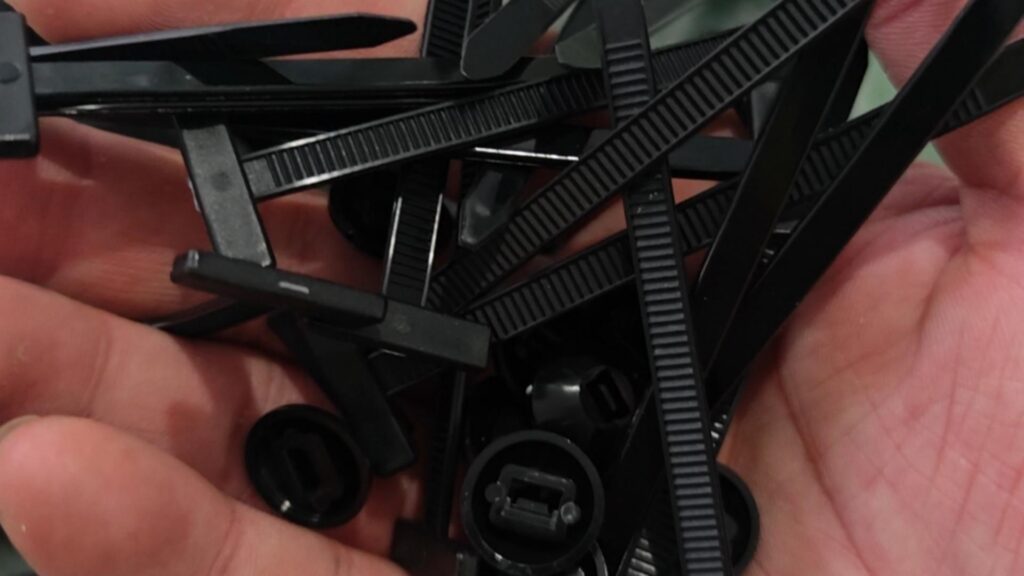
When organizing and securing automotive wiring harnesses, not all cable ties are created equal. Choosing the right cable ties for automotive wiring improves durability, reduces rattles, and prevents abrasion or harness strain. Mistakes in tie selection can lead to wire damage, loose harnesses, and frequent maintenance. This guide explains the best cable tie types for automotive uses, including traditional nylon ties, snap-fastener styles designed for engine covers and liners, and when to choose heavy-duty or specialized options. What Makes Automotive Cable Ties Different? Automotive environments are tougher than typical indoor applications. Wiring harnesses are exposed to: High vibration Heat from the engine and exhaust Sharp edges on brackets and panels Moisture and road contaminants Because of this, automotive cable ties must be stronger, more heat resistant, and more reliable than generic zip ties. Top Types of Cable Ties for Automotive Wiring Standard Nylon Cable Ties Good general-purpose choice for interior wiring and light harness management. Examples: Nylon Cable Ties 100‑Pack — basic nylon ties with reliable general performance. Nylon Cable Tie Set — assorted set for different routing tasks. Why they’re useful: Flexible and easy to install Affordable in bulk Good for general harness bundling Limitations: Standard nylon can degrade under engine heat or UV exposure Not ideal for harsh zones, under-hood, or vibration hotspots 100mm UV Resistant Black Multi Purpose Cable Tie 2.7mm wide 100 Pack Automotive-Specific Ties with Snap Fasteners Snap-fastener cable ties combine traditional tie strength with a built-in mounting clip, making them excellent for automotive wiring where you need to secure harnesses to plastic panels, liners, or engine covers. Example akin to your linked product:Multi-purpose automotive cable ties with integrated snap fasteners that clip into existing holes on trunk lids, fender liners, and engine covers — ideal for neat, vibration-resistant wiring. These ties eliminate the need for separate clips Speed up installation and reduce parts count Ensure wiring stays fixed in place without additional fasteners They are especially useful for applications such as: Engine bay harness routing Plastic inner fender liners Trunk wiring Under-hood sensor loom retention These perform better than regular ties when used in connection points rather than just wrapping bundles. Heavy-Duty / UV-Resistant Automotive Cable Ties For exterior harnesses, brake lines, or areas exposed to sun and road spray, UV-resistant and heavy-duty ties maintain strength longer. Black UV-stabilized nylon ties reduce brittle cracking Larger widths (e.g., 7.5–12 mm) offer higher tensile strength Suitable around bumpers, headlight harnesses, and roof wiring Example: Automotive Zip Ties with Push Mount Fasteners — automotive-style push mount ties rated for vibration and outdoor exposure When to Choose Snap-Fastener Cable Ties Snap-fastener ties shine when you need: Secure panel mounting without separate clips Fastening wiring harnesses to existing mounting holes Reducing components for cleaner installs Repeatable serviceability (clips can be undone if designed that way) They reduce the risk of: Loose harnesses bouncing around Cables rubbing against sharp metal edges Wasted time installing separate clips + ties Tips for Using Cable Ties in Automotive Wiring To make your installation last: Avoid over-tighteningOverly tight ties can deform cable insulation and lead to shorts or premature failure. Use edge protection where neededWhen routing near sharp metal edges, add grommets or protective sleeves. Choose the right length and strengthDo not use tiny ties on large bundles — they will fatigue and break. Prefer UV-resistant ties for outdoor or under-hood useSunlight and engine heat accelerate nylon degradation. Install with proper toolsTensioning tools give uniform tension and safer cuts. Maintenance and Long-Term Reliability Check cable ties periodically during service intervals. Look for: Cracking or brittleness in nylon ties Broken or loose snap clips Loss of tension after heat cycles Replacing a worn tie proactively prevents wiring chafing and avoids electrical faults. Conclusion Choosing the right cable ties for automotive wiring ensures that your harnesses stay secure, vibration doesn’t loosen connections, and cables are protected from heat and abrasion. Standard nylon ties are fine for simple interior routes, but automotive-specific snap fastener cable ties and UV-resistant heavy-duty options give the best performance for engine bays, panels, and exterior wiring. Frequently Asked Questions Find answers to common questions below. Can I use any cable ties in my car? Standard nylon cable ties work for interior harnesses, but automotive environments benefit from UV-resistant, heavy-duty, or snap-fastener ties for long life. Are snap-fastener cable ties reusable? Most snap-fastener cable ties are single-use unless explicitly designed to release. Do automotive cable ties need to be heat resistant? Yes — under-hood wiring needs ties that will not soften or crack under engine heat.
How to Prevent Cable Ties from Breaking in Outdoor Applications
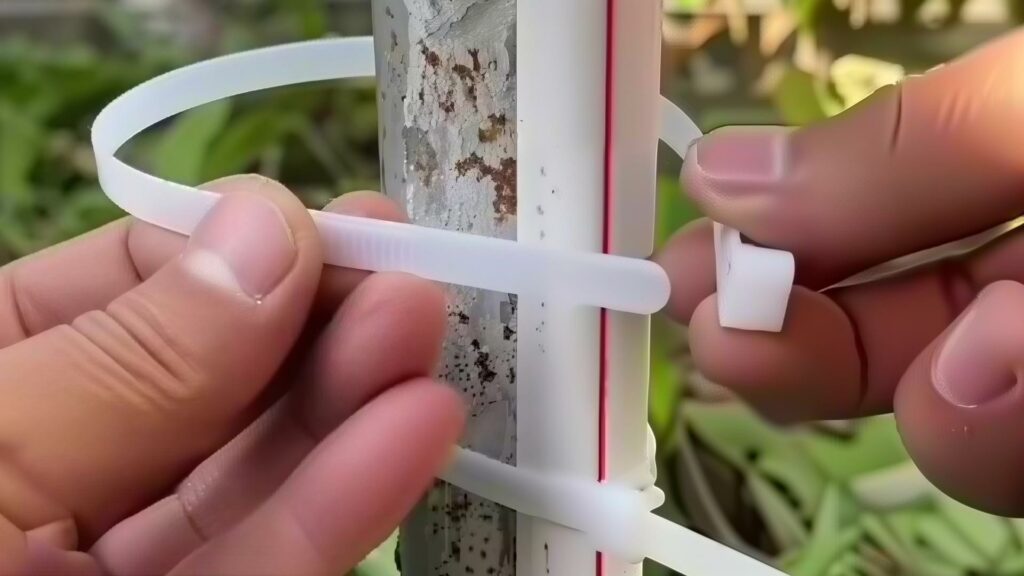
Prevent cable ties from breaking in outdoor applications is a common challenge faced by installers, electricians, and maintenance teams. Exposure to sunlight, temperature fluctuations, moisture, and vibration can quickly weaken standard cable ties, leading to premature failure. Understanding why cable ties break outdoors—and how to choose the right materials and installation methods—is the key to achieving long-term reliability in outdoor cable management. Why Cable Ties Break in Outdoor Applications Cable ties are typically designed for controlled indoor conditions. When used outdoors, they are exposed to multiple degradation factors at the same time. Ultraviolet (UV) radiation breaks down the molecular structure of standard nylon, making it brittle. Heat causes material creep, while cold temperatures reduce flexibility. Moisture and vibration accelerate fatigue, especially on poorly installed ties. Preventing failure starts with understanding these environmental stresses. Choose the Right Material for Outdoor Use UV-Resistant Nylon Cable Ties Standard natural nylon cable ties degrade quickly in sunlight. UV-resistant nylon cable ties contain stabilizers that slow down UV damage. Black nylon cable ties are commonly UV-stabilized and are suitable for general outdoor cable management where temperatures remain within normal operating ranges. This is the minimum requirement if you want to prevent cable ties from breaking outdoors. Heat-Stabilized Nylon Cable Ties In areas exposed to higher surface temperatures—such as metal poles, rooftops, or solar structures—heat-stabilized nylon cable ties perform better than standard UV-rated ties. They resist thermal aging and maintain tensile strength longer under continuous heat. Stainless Steel Cable Ties For harsh outdoor environments, stainless steel cable ties provide the highest reliability. They are unaffected by UV radiation, tolerate extreme temperatures, and resist corrosion. Stainless steel cable ties are ideal for long-term outdoor installations, coastal areas, industrial sites, and high-vibration environments. If failure prevention is critical, metal cable ties are the most dependable option. Avoid Over-Tightening During Installation Over-tightening is one of the most common installation mistakes. Excessive tension damages the locking mechanism and stresses the material, especially with nylon cable ties. Cable ties should secure cables firmly without compressing insulation or deforming the bundle. Using controlled tension—rather than pulling as hard as possible—helps prevent cracking and early failure. For stainless steel cable ties, use a proper tensioning tool to achieve consistent results. Account for Temperature Expansion and Movement Outdoor cables expand and contract as temperatures change. If cable ties are installed too tightly with no allowance for movement, repeated thermal cycles cause stress fractures. Leaving slight slack and spacing cable ties correctly allows natural movement and significantly reduces fatigue-related breakage. Protect Cable Ties from Sharp Edges Sharp metal edges on racks, poles, or enclosures can cut into cable ties over time. Use edge protection, grommets, or mounting bases where possible. For sensitive cables, coated stainless steel cable ties reduce abrasion and protect insulation. Mechanical protection is an often-overlooked step in preventing outdoor cable tie failure. Inspect and Replace Cable Ties Regularly Even the best outdoor-rated cable ties are not maintenance-free. Look for early signs of failure: Discoloration or chalky surface Cracking or brittleness Reduced flexibility Replacing aging ties before they break prevents cable damage and downtime. Conclusion To prevent cable ties from breaking in outdoor applications, focus on three key factors: material selection, proper installation, and environmental protection. UV-resistant or heat-stabilized nylon cable ties work for moderate conditions, while stainless steel cable ties offer the best long-term performance in harsh environments. Choosing the right cable tie upfront reduces maintenance, improves safety, and ensures reliable outdoor cable management. Frequently Asked Questions Find answers to common questions below. Why do cable ties snap after a few months outdoors? This is usually caused by UV degradation in standard nylon cable ties that are not UV-stabilized. Are black cable ties always UV resistant? Most black nylon cable ties are UV-stabilized, but not all. Always verify UV resistance specifications from the manufacturer. What is the best way to prevent cable ties from breaking permanently? Use stainless steel cable ties for long-term outdoor installations, combined with proper installation techniques.
Best Cable Ties for Solar Panel Installation

Choosing the right cable ties for solar panel installation is more than selecting the cheapest option. Solar environments involve prolonged UV exposure, temperature swings, wind vibration, and moisture — all of which accelerate aging of inferior ties. Picking appropriate cable ties ensures clean cable routing, reduced maintenance, and long-term system reliability. This guide explains which cable tie types perform best on solar installations and why material properties matter for longevity. Why Standard Ties Fail in Solar Installations Standard nylon cable ties degrade quickly under UV and heat. Without stabilization, they become brittle, crack, and break — often within 6–12 months. For solar panel routing, where cables are exposed to sun, rain, dust, and temperature extremes, choosing the right cable ties is critical. Top Criteria for Solar Cable Tie Selection UV Resistance Solar installations are exposed to sunlight year-round. UV rays break down polymer chains in nylon, making ties brittle. Best Option: UV-stabilized nylon cable ties (usually black) — better longevity Ensure UV rating data is provided by manufacturer Temperature Tolerance Solar arrays experience wide temperature swings — hot sun, cool nights. Standard nylon: workable up to ~85°C UV-stabilized nylon: slightly better Metal cable ties (stainless steel): superior heat tolerance Strength and Width Cables exposed on racks need ties that resist vibration and wind stress. 4.8–7.5 mm nylon ties — general route 9.0–12 mm or higher — heavy bundles Higher tensile strength prevents loosening over time Material Choice: Nylon vs Stainless Steel Nylon Cable Ties Pros: Flexible, easy to install, low cost Cons: Limited heat resistance, UV still an issue unless stabilized Best Use: Short to mid-term installations, interior combiner boxes Stainless Steel Cable Ties Pros: Highest heat and UV resistance, corrosion resistance, long life Cons: Higher cost, requires tools for installation Best Use: Rooftops, solar racks, harsh outdoor environments Coated Stainless Steel Cable Ties A hybrid option: metal core for strength + outer coating for cable protection. Prevents abrasion Ideal where cable insulation must be protected Good choice for sensitive PV cable runs Best Cable Tie Types for Solar Panel Installation Here’s what solar professionals use: UV-Stabilized Nylon Cable Ties Black nylon Good for general outdoor routing Best for racks, combiner boxes, and interior pathways Heat-Stabilized Nylon Cable Ties Handles occasional high heat (e.g., metal surface exposure) Better than non-stabilized nylon 316 Stainless Steel Cable Ties Highest outdoor performance Excellent in coastal or high-UV regions Long-term maintenance-free Coated Stainless Steel Cable Ties Protects cable insulation from abrasion Great for long cable runs and vibration-prone metal racks Installation Tips for Solar Cable Routing Component securing: Use cable ties to secure excess cables and connectors to prevent damage from inclement weather. Group cables by function (DC positive, negative, grounding) Maintain slack — do not over-tighten ties Use proper tension tool (especially for stainless steel) Place ties at regular intervals, not just corners Avoid sharp edges; use insulated mounts if needed Maintenance and Long-Term Reliability Inspect annually for signs of cracking (nylon) or rust stains (metal) Replace degraded nylon ties promptly Stainless steel ties rarely need replacement Keep records of tie type and location for service crews Conclusion For solar panel installation, selecting cable ties for solar panel installation that withstand UV, temperature swings, and outdoor stress ensures system integrity. UV-stabilized nylon works well for general routing, while stainless steel and coated stainless steel ties offer the best long-term performance, especially in harsh environments. Correct selection and installation extend service life, reduce maintenance, and improve the safety and appearance of solar arrays. Frequently Asked Questions Find answers to common questions below. How long do nylon cable ties last outdoors near solar panels? UV-stabilized nylon can last 1–3 years depending on environment. Stainless steel lasts significantly longer. Are black cable ties better for solar installations? Yes — black ties typically contain UV inhibitors for extended outdoor life. Can I use regular cable ties on solar racks? Not recommended; regular nylon degrades quickly under sunlight and heat. Do stainless steel cable ties damage PV cables? Use coated stainless steel or protective sleeves to avoid abrasion; proper tensioning prevents damage.
What Cable Tie Should I Use for High-Temperature Environments?
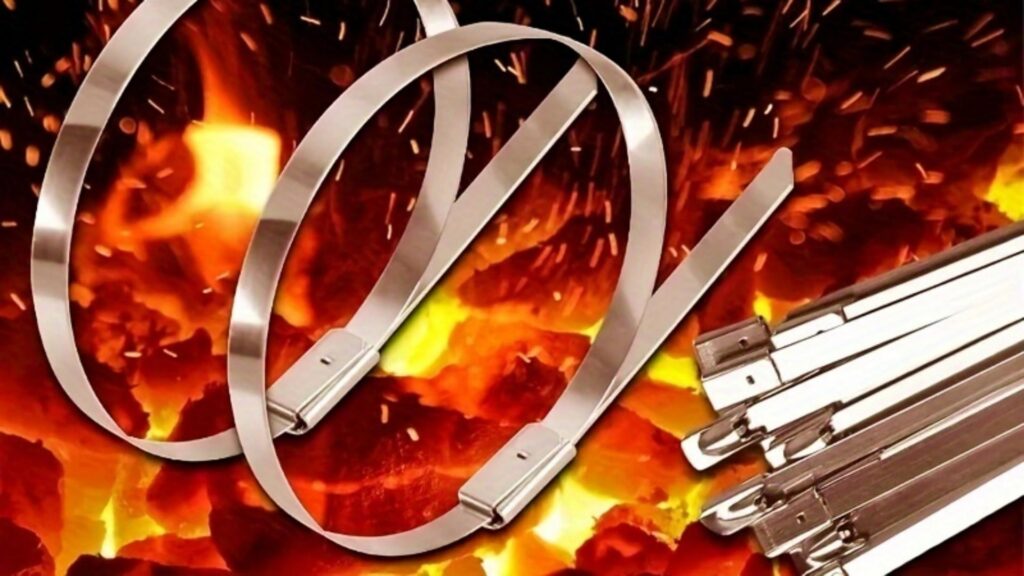
High heat is one of the fastest ways to cause cable tie failure. Standard nylon cable ties may soften, deform, or lose tensile strength when exposed to elevated temperatures, leading to loose bundles, damaged cables, or safety risks. If you are working in environments such as engine compartments, industrial machinery, power plants, or near heat-generating equipment, choosing the right high-temperature cable ties is critical for long-term reliability and safety. Understanding Heat Limits of Cable Ties Cable ties are typically rated by continuous operating temperature, not just short-term exposure. Exceeding this limit can cause material creep, brittleness, or sudden failure. Standard nylon cable ties usually perform well only in moderate indoor conditions. Once temperatures rise above normal operating ranges, specialized materials are required. Best Cable Tie Materials for High-Temperature Environments Heat-Stabilized Nylon Cable Ties Heat-stabilized nylon cable ties are made from modified Nylon 6/6 formulations that resist thermal aging. They are suitable for environments with sustained temperatures up to 120°C, making them ideal for electrical panels, industrial equipment, and automotive interiors where heat is present but not extreme. These ties offer a balance between cost, flexibility, and improved heat resistance compared to standard nylon cable ties. Stainless Steel Cable Ties For extreme heat conditions, stainless steel cable ties are the most reliable solution. They can withstand continuous temperatures of 500°C and above, depending on the grade, without softening or losing strength. Stainless steel cable ties are commonly used in: Engine compartments Exhaust systems Power generation facilities Chemical plants They also provide excellent resistance to corrosion, vibration, and UV exposure, making them suitable for harsh industrial environments. Stainless Steel Cable Tie Coated Stainless Steel Cable Ties When heat resistance is required but cable protection is also important, coated stainless steel cable ties offer an effective solution. The stainless steel core handles high temperatures, while the coating reduces abrasion and protects cable insulation. These ties are often used in electrical and communication installations exposed to both heat and vibration. Coated Stainless Steel Cable Ties Comparing High-Temperature Cable Tie Options Heat-stabilized nylon cable ties are best for moderately high temperatures where flexibility and ease of installation are important. Stainless steel cable ties outperform all other materials in extreme heat but require proper tools and handling. If both temperature resistance and cable protection are required, coated stainless steel cable ties provide the best compromise. How to Choose the Right High-Temperature Cable Tie When selecting high-temperature cable ties, consider the following factors: Maximum continuous operating temperature Exposure duration (constant vs intermittent heat) Mechanical stress and vibration Indoor or outdoor use Cable insulation sensitivity Choosing a cable tie rated well above your actual operating temperature ensures long-term performance and safety. Conclusion Selecting the right high-temperature cable ties depends on how much heat your application generates and how long the ties are exposed to it. Heat-stabilized nylon cable ties work well for moderately hot environments, while stainless steel cable ties are the safest choice for extreme temperatures. Using the correct material ensures secure fastening, longer service life, and reduced maintenance—especially in demanding industrial and high-heat applications. Frequently Asked Questions Find answers to common questions below. Can standard nylon cable ties be used in high heat? No. Standard nylon cable ties lose strength quickly at elevated temperatures and are not suitable for high-temperature environments. Are stainless steel cable ties always the best choice? They are the best option for extreme heat, but may be unnecessary for moderately high temperatures where heat-stabilized nylon cable ties are sufficient. Do high-temperature cable ties cost more? Yes, but the higher upfront cost prevents premature failure, downtime, and safety risks, making them more economical long term.
How to Use Stainless Steel Cable Ties Properly?
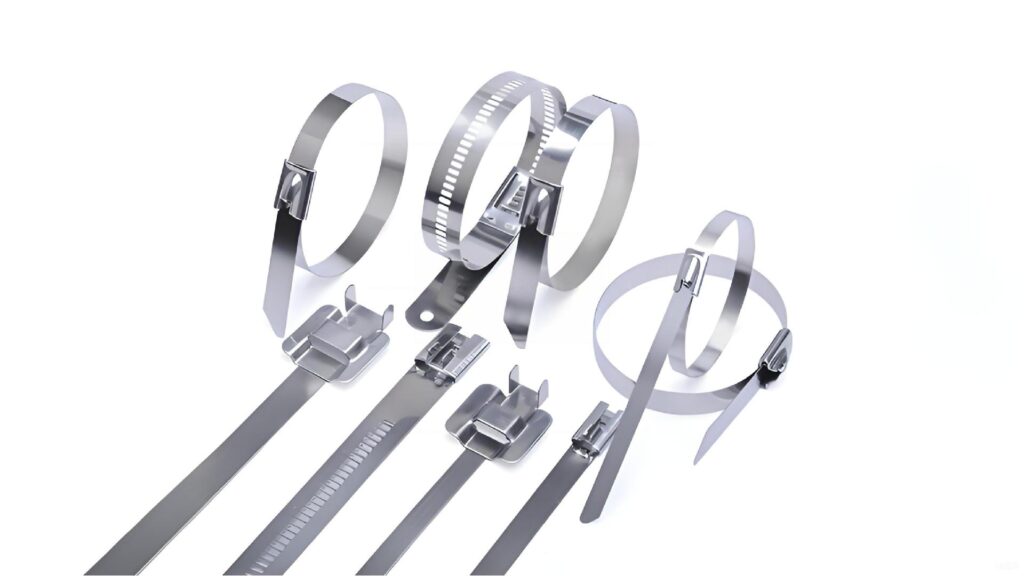
Stainless steel cable ties are chosen when nylon cable ties are no longer reliable—high temperature, UV exposure, corrosion, vibration, or long-term outdoor use all demand a stronger fastening solution. However, improper installation can lead to cable damage, wasted material, or safety risks. Knowing how to use stainless steel cable ties properly is essential to get their full performance without causing problems. This guide focuses on correct installation methods, tool usage, common mistakes, and best practices based on real-world applications. Understand When Stainless Steel Cable Ties Are Necessary Stainless steel cable ties are not meant to replace nylon ties in every situation. They are used when environmental or mechanical conditions exceed what plastic ties can handle. They are commonly used in: Outdoor and coastal environments High-temperature areas Chemical plants and industrial facilities Heavy vibration zones Long-term, maintenance-free installations Using stainless steel ties where nylon would suffice increases cost and installation effort unnecessarily. Choose the Correct Type Before Installation Before installation, confirm that the stainless steel cable tie matches the application. Key factors to check: Material grade (e.g., 304 or 316 stainless steel) Width and tensile strength suitable for the load Coated vs uncoated (coated ties protect cables from abrasion) Locking mechanism (ball-lock or ladder-lock designs) Selecting the wrong type often leads to cable damage or over-engineering. Prepare the Bundle or Object Properly Before tightening the tie: Align cables neatly Remove sharp edges from mounting surfaces Avoid crossing or twisting cables Ensure sufficient spacing to prevent pinching Stainless steel cable ties do not stretch like nylon. Once tightened, repositioning is difficult without cutting. Use the Right Installation Tool While stainless steel cable ties can be tightened by hand, a proper tensioning tool is strongly recommended, especially for industrial use. Correct tools allow you to: Apply consistent tension Prevent over-tightening Cut excess tail flush without sharp edges Improvised tools or pliers often result in uneven tension and exposed sharp ends, which create safety hazards. Apply Controlled Tension — Do Not Over-Tighten One of the most common mistakes is over-tightening. Stainless steel cable ties can easily exceed the pressure needed to secure cables. Best practice: Tighten until cables are secure but not compressed Avoid deforming cable insulation Leave slight flexibility in vibration-prone environments Excessive tension does not improve strength—it increases the risk of cable damage. Cut the Excess Tail Safely After tightening: Use the tensioning tool’s built-in cutter or a flush cutter Ensure the cut edge is smooth and flush Never leave sharp protruding tails Uncut or jagged ends are a common cause of hand injuries during maintenance. Special Considerations for Coated Stainless Steel Cable Ties Coated stainless steel cable ties provide an extra protective layer between metal and cable insulation. When using coated ties: Avoid damaging the coating during installation Do not use serrated tools that may tear the coating Inspect after tightening to ensure the coating remains intact Damaged coating reduces insulation protection and corrosion resistance. Installation in Harsh Environments For outdoor or corrosive environments: Prefer 316 stainless steel for better corrosion resistance Avoid direct contact with dissimilar metals when possible Ensure the tie is not under constant mechanical stress Proper material selection is just as important as correct installation. Removal and Maintenance Stainless steel cable ties are generally single-use. To remove them: Use metal cutters or cable tie cutting tools Never twist or pull aggressively Wear gloves to prevent injury For applications requiring frequent changes, reusable or releasable alternatives should be considered instead. Common Mistakes to Avoid Using stainless steel ties where nylon is sufficient Over-tightening and crushing cables Cutting tails without proper tools Leaving sharp edges exposed Mixing incompatible metals in corrosive environments Avoiding these mistakes significantly improves safety and service life. Conclusion Using stainless steel cable ties properly requires more than just tightening and cutting. Correct material selection, controlled tension, proper tools, and attention to safety details are essential. When installed correctly, stainless steel cable ties provide unmatched durability and reliability in demanding environments, making them a valuable solution for long-term and heavy-duty applications. Frequently Asked Questions Find answers to common questions below. Are stainless steel cable ties reusable? No. Most stainless steel cable ties are designed for single use. Once tightened, they must be cut for removal. Do I need a special tool to install stainless steel cable ties? While manual tightening is possible, a stainless steel cable tie tensioning tool is recommended for consistent tension and safe cutting. Can stainless steel cable ties damage cables? Yes, if over-tightened. Always apply controlled tension and consider coated stainless steel cable ties for sensitive cables. What is the difference between coated and uncoated stainless steel cable ties? Coated stainless steel cable ties provide insulation protection and reduce abrasion, making them suitable for electrical and communication cables. Which stainless steel grade is better for outdoor use? 316 stainless steel cable ties offer superior corrosion resistance and are recommended for outdoor or coastal environments.