Insights & Articles

The Ultimate Guide to Choosing
the Right Cable Ties

what are cable ties made from
Blog
UHCCY

What Are Cable Ties Made From?

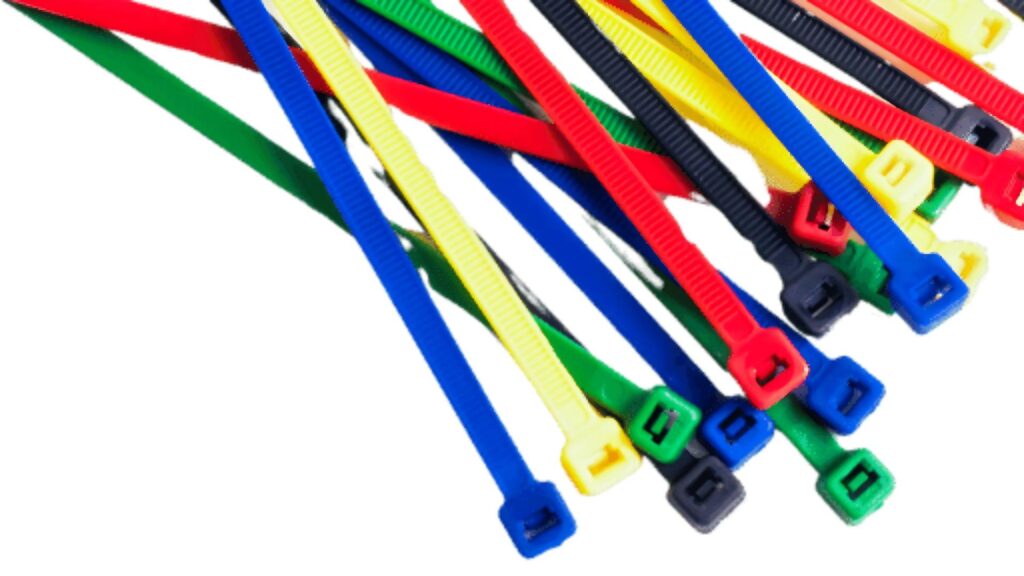
Cable ties are widely used across industries, homes, offices, and outdoor environments to bundle, secure, and organize cables or components. Although they appear simple, cable ties are manufactured from different materials depending on their intended application, strength requirements, and environmental conditions. Understanding what cable ties are made from helps users choose the right type for durability, safety, and performance. This article explains the most common cable tie materials, their properties, and where each type is best used. Nylon (Polyamide) – The Most Common Material The majority of cable ties are made from nylon, also known as polyamide. Nylon cable ties are popular due to their flexibility, strength, and cost efficiency. Nylon 6/6 is the most widely used grade. It offers an excellent balance of tensile strength, elasticity, and resistance to abrasion. Key characteristics of nylon cable ties: Nylon cable ties are commonly used in: However, standard nylon may degrade under prolonged UV exposure or extreme temperatures unless specially treated. UV-Resistant Nylon Cable Ties For outdoor environments, cable ties are often made from UV-stabilized nylon. These cable ties include additives that slow down material degradation caused by sunlight. Compared to standard nylon ties, UV-resistant versions: They are widely used for: Stainless
how to zip tie computer cables
Blog
UHCCY

How to Zip Tie Computer Cables Properly

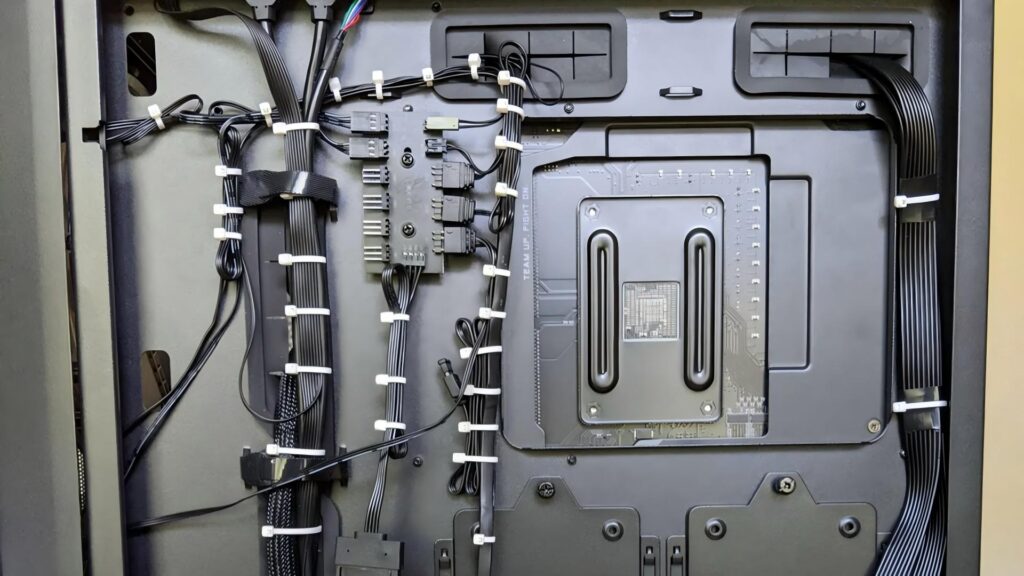
Messy computer cables are not only unpleasant to look at but can also cause airflow issues, make maintenance difficult, and increase the risk of accidental disconnections. Zip ties (also called cable ties) offer a simple and affordable solution for organizing computer cables at home or in the office. This guide explains how to zip tie computer cables properly, covering cable preparation, correct tying methods, and important safety tips to avoid damage to sensitive electronics. Why Zip Tying Computer Cables Matters Proper cable management provides several benefits: Whether you are managing a desktop PC, gaming setup, office workstation, or server cabinet, zip ties can help keep cables under control. Choosing the Right Zip Ties for Computer Cables Not all zip ties are suitable for computer cable management. The following factors are important: Material Nylon zip ties are the most common choice due to their flexibility and durability. Size Small zip ties (2.5 mm to 3.6 mm width) are ideal for USB, HDMI, Ethernet, and power cables. Avoid oversized ties that apply unnecessary pressure. Releasable vs. standard Releasable zip ties are recommended for computer cables because they allow easy adjustments during upgrades or maintenance. Color Black or neutral-colored zip ties blend well

how to use cable ties on a strimmer
Blog
UHCCY

How to Use Cable Ties on a Strimmer

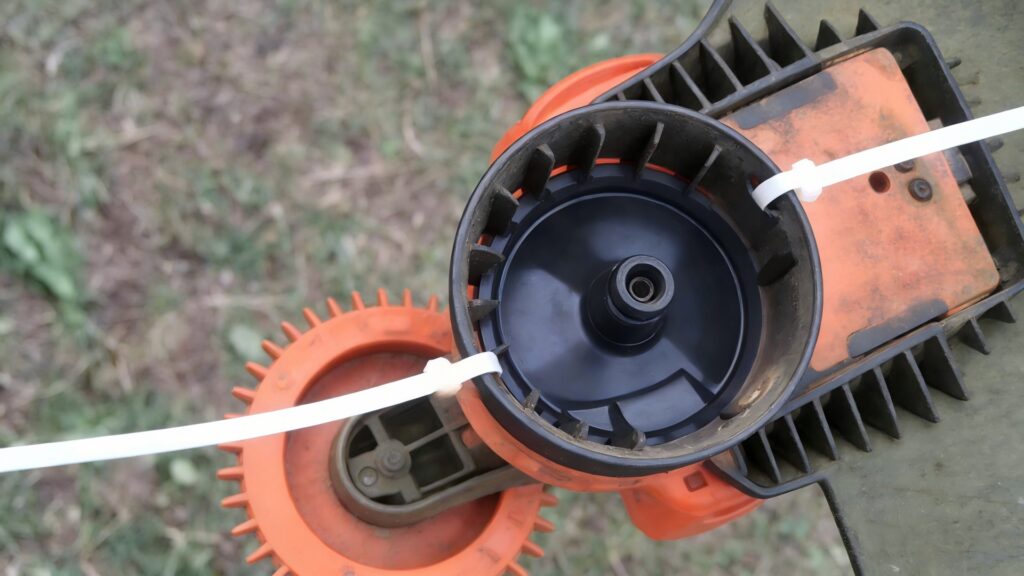
A strimmer (also known as a string trimmer or weed trimmer) is an essential tool for garden maintenance, especially for trimming grass edges and clearing weeds in hard-to-reach areas. While cable ties are not an official accessory for strimmers, they are often used as a practical, low-cost solution for temporary fixes, organization, and protection. When used correctly, cable ties can help improve safety, stability, and efficiency during strimmer operation. This guide explains how to use cable ties on a strimmer safely and effectively, along with common use cases and important precautions. Common Uses of Cable Ties on a Strimmer Cable ties can serve several practical purposes when working with a strimmer: Securing loose cables or hoses Electric and battery-powered strimmers often have power cables or control wires that may loosen over time. Cable ties help keep these wires neatly fixed to the shaft, reducing the risk of entanglement or accidental damage. Temporary handle or grip fixing If the auxiliary handle becomes slightly loose, a heavy-duty nylon cable tie can provide temporary reinforcement until proper repairs are made. Protecting guards or covers Vibration may cause plastic guards to rattle or shift. Cable ties can help stabilize these parts and reduce noise

Flame Retardant Rating UL94V-0
Blog
UHCCY

Flame Retardant Rating UL 94 V-0

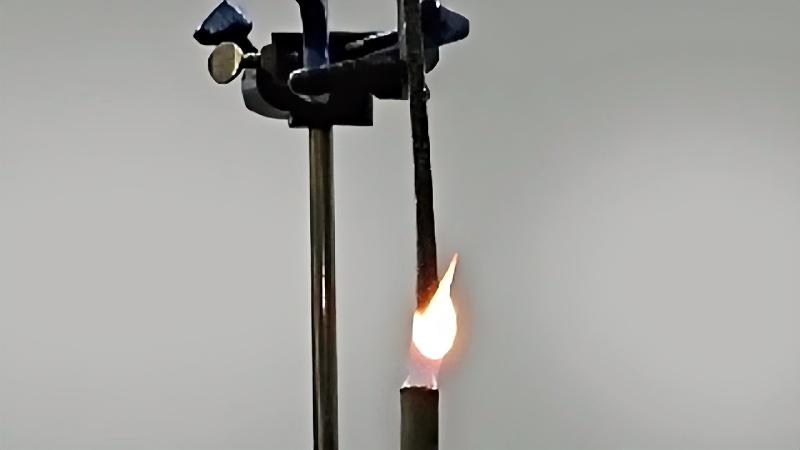
When selecting electrical components, cable management products, or plastic parts used in power distribution and control systems, fire safety is never optional. One of the most widely recognized standards used to evaluate flame resistance of plastic materials is UL 94, and among its classifications, UL 94 V-0 represents a high level of flame retardancy. This guide explains what UL 94 V-0 means, how it is tested, and why it is important for electrical and industrial applications. What Is UL 94? UL 94 is a plastics flammability standard published by Underwriters Laboratories (UL). It is used globally to classify how plastic materials behave when exposed to an open flame. The standard evaluates: How quickly a material ignites Whether it self-extinguishes after flame removal Whether burning material drips and ignites other objects UL 94 ratings are commonly required for products used in: Electrical enclosures Cable ties and cable management systems Circuit breakers and distribution boxes Consumer and industrial electrical equipment Understanding the UL 94 V Rating System Within UL 94, V ratings apply to materials tested in a vertical orientation, which is more demanding and closer to real-world conditions. The three main vertical ratings are: V-0 (highest flame retardancy) V-1 V-2 Among

Stainless Steel 304 Cable Ties
Blog
UHCCY

Specifications, applications, and selection methods of stainless steel cable ties

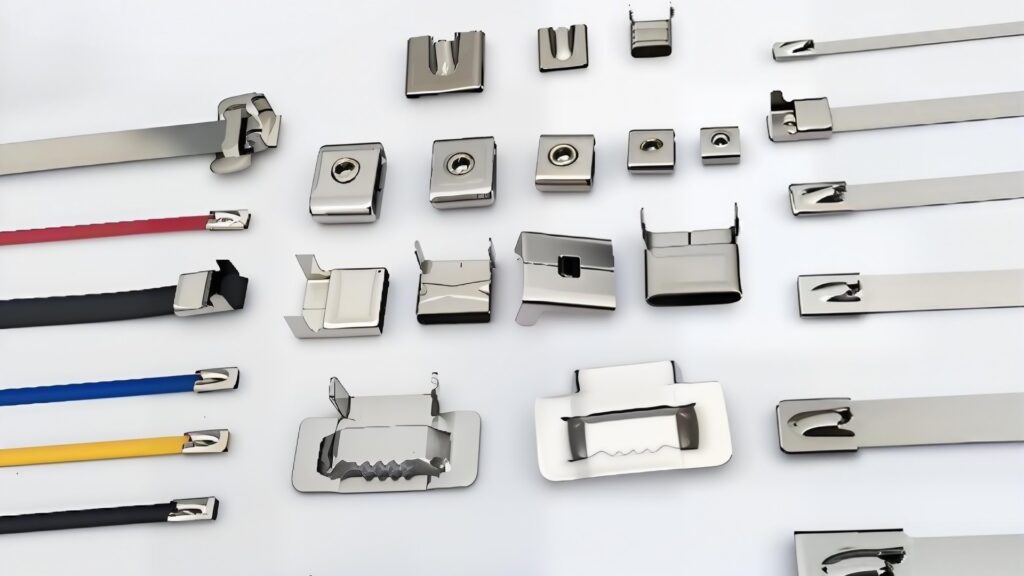
Stainless steel cable ties are multifunctional fixing and binding tools widely used in various industries and fields. Made of stainless steel, they are characterized by corrosion resistance, high temperature resistance, and high strength. This article will discuss the specifications, applications, and selection methods of cable ties. Cable tie specifications: 1. Length: Cable ties typically range from 100mm to 1000mm in length, with custom lengths available upon request. 2. Width: Cable ties generally range from 4.6mm to 12mm in width, with different widths suitable for different sizes of restraints. 3. Material: Cable ties are primarily made of stainless steel (usually 304 or 316 grade) to ensure corrosion resistance and high-temperature resistance. 4. Surface Treatment: Some cable ties have additional surface treatments, such as nylon sheaths or coatings, to provide extra protection or reduce friction. 5. Tensile Strength: The tensile strength of cable ties is a key parameter, typically ranging from 50 lbs (approximately 22.68 kg) to 250 lbs (approximately 113.4 kg). 6. Locking Mechanism: Stainless steel cable ties typically employ ball locks or self-locking mechanisms with lugs to secure the ties and ensure they remain in the correct position. Application areas of cable ties 1. Electrical and Electronics Industry: Used for

Zip Tie Gun vs Cable Tie Gun
Blog
UHCCY

Zip Tie Gun vs Cable Tie Gun: Choosing the Right Tool for Nylon and Stainless Steel Cable Ties

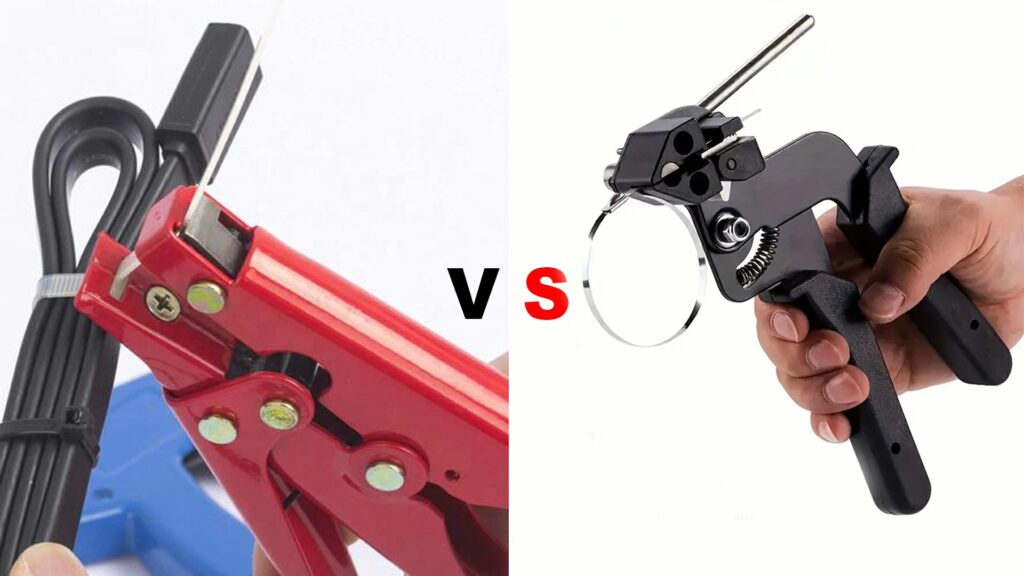
Cable management has become essential across industries ranging from automotive and electrical work to HVAC, facilities maintenance, and large-scale industrial manufacturing. While cable ties (often called “zip ties” in North America) have been widely adopted for decades, the tools used to install them have evolved from basic manual tightening to precise tensioning and controlled cutting. Among these tools, the Zip Tie Gun and the Cable Tie Gun are the two most commonly searched and referenced terms by technicians, DIY users, and procurement departments alike. Although many users assume both terms describe the same tool, there are notable differences in usage, terminology, and material compatibility—especially when stainless steel cable ties enter the conversation. Additionally, less commonly searched tools like cable tie tensioning tools, cable tie tightening tools, and cable tie installation tools each serve distinct functions in certain industrial scenarios. When working with stainless steel ties, more specialized tools such as stainless steel cable tie guns, metal cable tie tools, and steel cable tie tensioners ensure the necessary tension and cutting force. This guide compares these tools, explains how each is used, and offers practical recommendations on choosing the right cable tie installation tool for different applications. Stainless steel cable tie

Flame Retardant Rating UL94V-2
Blog
UHCCY

Flame Retardant Rating UL 94 V2

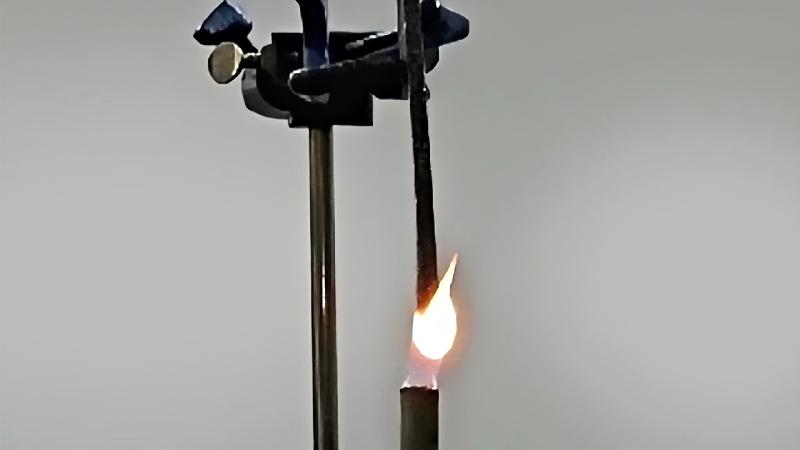
UL 94 V2 Flame Retardant Rating is a standardized classification for evaluating the flammability of polymer materials used in devices and component assemblies. For cable ties, flame retardancy is a critical safety requirement in electrical systems, automotive applications, power distribution, and enclosed environments where ignition and fire propagation must be minimized. The UL94 standard classifies how materials burn when exposed to flame in both vertical and horizontal orientations, determining the material’s ability to self-extinguish and prevent dripping. UL94 Rating Categories Relevant to Cable Ties While UL94 includes several grades, the most relevant for cable tie applications are: Rating Test Orientation Behavior Requirement UL 94 HB Horizontal Slow burning rate UL 94 V2 Vertical Flame self-extinguishes; drips allowed UL 94 V1 Vertical Faster self-extinguishing; no flaming drips UL 94 V0 Vertical Most stringent; fastest extinguishing; no flaming drips For industrial cable ties, UL 94 V2 and UL94 V0 are the most commonly supplied specifications due to safety compliance in electrical and OEM systems. Material Impact on Flame Retardancy Cable tie flame performance depends strongly on formulation: Material / Grade UL94 Behavior PA66 Standard Typically UL94 HB or no rating PA66 Flame Retardant Can achieve V-2 / V-0 with additives Heat-Stabilized Nylon Often

Tensile Strength Rating
Blog
UHCCY

Tensile Strength Rating

Tensile Strength Rating refers to the maximum tensile load a cable tie can withstand before failure. It is one of the most important mechanical performance indicators when selecting cable ties for electrical, industrial, or heavy-duty applications. Higher tensile strength ratings are typically achieved through better raw materials (e.g., PA66 engineering nylon), larger cross-sectional dimensions, or reinforced structural designs. For specific applications such as automotive wiring harnesses or metal cable tying, performance requirements may vary significantly. Why Tensile Strength Matters Ensures reliable bundling under vibration and movement Reduces failure during installation and long-term service Supports compliance with OEM, UL, and industrial specifications Critical for safety in electrical and mechanical systems Low tensile strength can lead to premature breakage, resulting in wiring damage, system faults, or safety hazards. Typical Tensile Strength Ranges The following ranges are commonly referenced in the cable tie industry: Category Tensile Strength Range Miniature cable ties 18–22 lbs (≈8–10 kgf) Standard cable ties 40–50 lbs (≈18–22 kgf) Heavy-duty cable ties 120–175 lbs (≈55–80 kgf) Stainless steel ties 200–350 lbs (≈90–160 kgf) These values may vary depending on certifications such as UL 62275, MIL spec, or automotive OEM requirements. Testing Methods Tensile strength testing is performed using tensile testing

Powered by WordPress

Get a quote / Reorder / Service

We usually respond in a few hours

Get Free Sample Now!

Free standard sample can be provided for your evaluation according to your requirements.