
How to Choose Cable Ties for Heavy-Duty Industrial Use
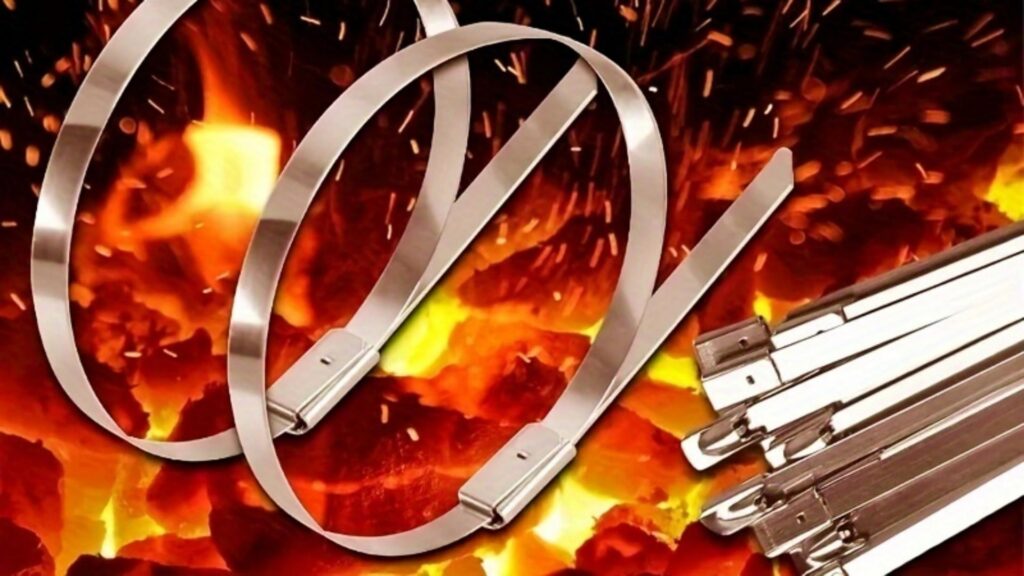
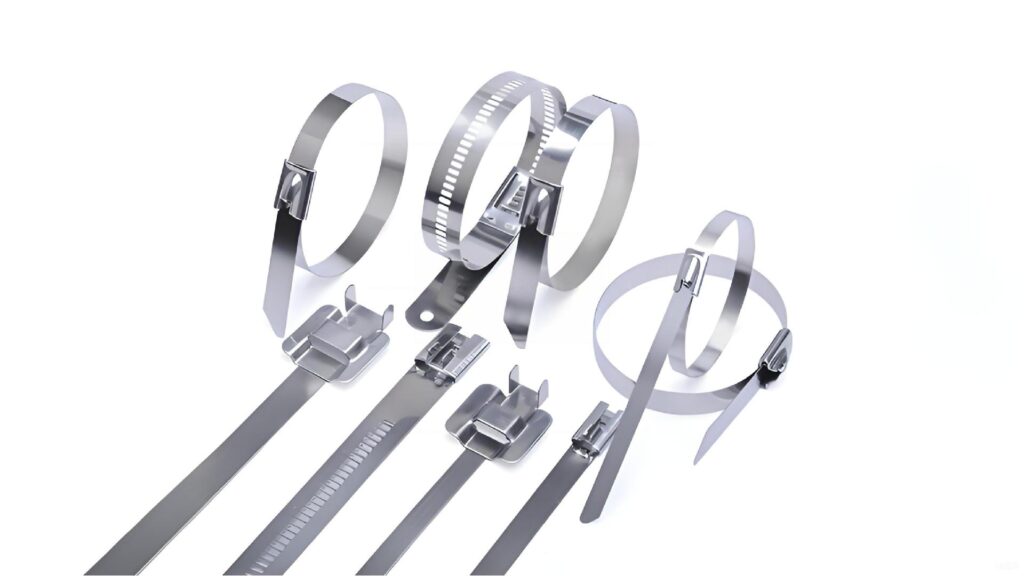
Selecting the right heavy-duty industrial cable ties is about more than just grabbing the thickest tie you can find. In demanding industrial environments—where vibration, extreme temperatures, chemicals, moisture, and heavy loads are daily challenges—the wrong choice can lead to frequent failures, downtime, or even safety hazards. This guide explains how to choose cable ties that are truly designed to withstand industrial use, what specifications matter most, and how to match product features with real-world application needs. Understand Your Application Requirements Heavy-duty applications vary widely, from industrial machinery harnesses to outdoor steel structures. Before choosing, ask: Will the ties be exposed to vibration or shock? Is the environment indoors or outdoors? Will chemicals, oil, or solvents be present? What temperature range will the ties face? Are the ties going to hold static cables or dynamic components? The answers to these questions dictate material, strength, and long-term performance expectations. Material Selection: Stainless Steel vs High-Grade Nylon Stainless Steel Cable Ties Best performing option for heavy-duty industrial use. Advantages: Extremely high tensile strength Unaffected by UV, corrosion, chemicals Excellent for outdoor, coastal, or chemical plant environments Maintains strength in high temperature or heat cycling Typical Use Cases: Industrial machine harness support Outdoor infrastructure