Insights & Articles

The Ultimate Guide to Choosing
the Right Cable Ties

Stainless Steel 316 Grade
Blog
UHCCY

Stainless Steel 316 Grade

Stainless Steel 316 (SS316) is a molybdenum-alloyed austenitic stainless steel known for its outstanding resistance to chlorides, seawater, industrial chemicals, and corrosive atmospheres. Compared to SS304, the addition of 2–3% molybdenum (Mo) significantly enhances pitting and crevice corrosion resistance, making SS316 the preferred grade for marine environments, coastal installations, petrochemical facilities, offshore platforms, and power infrastructure. For cable management systems, SS316 is often required where long-term mechanical reliability and environmental durability are mission-critical. Chemical Composition & Alloying Additives Typical composition of SS316: Element Content (%) Cr (Chromium) 16–18 Ni (Nickel) 10–14 Mo (Molybdenum) 2–3 C ≤ 0.08 Mn, Si, P, S Trace elements The molybdenum addition is the defining element differentiating SS316 from SS304 in performance-sensitive applications. Key Material Performance Characteristics • Chloride & Saltwater Resistance316 resists chloride-induced corrosion and pitting, making it suitable for coastal and offshore areas where 304 would degrade more quickly. • Chemical CompatibilityCompatible with many industrial solvents, cleaning agents, acids, and alkalis — widely used in petrochemical, refinery, and wastewater systems. • High Temperature CapacityMaintains structural integrity under elevated temperature service, typically within ~450–650 °C depending on load conditions. • Long Service LifeDesigned for 10–25+ year infrastructure applications with low maintenance requirements, supporting life-cycle cost
Stainless Steel 304 Grade
Blog
UHCCY

Stainless Steel 304 Grade

Stainless Steel 304 (SS304) is an austenitic chromium–nickel stainless steel recognized for its excellent balance of corrosion resistance, mechanical strength, and cost-efficiency. As one of the most widely used stainless grades in the world, SS304 serves across sectors ranging from industrial machinery to electrical installations and cable management systems. In fastening and wire management applications, SS304 is commonly used to manufacture metal cable ties, hose clamps, mounting brackets, and electrical accessories that require durability under harsh service environments. Chemical Composition & Alloying Elements The typical composition of SS304 includes: Element Content (%) Cr (Chromium) 18–20 Ni (Nickel) 8–10.5 C (Carbon) ≤ 0.08 Mn, Si, P, S Trace amounts The 18-8 (18% Cr / 8% Ni) formulation enhances its corrosion resistance and contributes to its well-known mechanical stability. Key Material Characteristics • Corrosion ResistanceSS304 demonstrates strong resistance to atmospheric environments, mild chemicals, organic acids, and industrial cleaning agents. This makes it suitable for outdoor installations, factory environments, and coastal inland regions. • Mechanical Strength304 provides high tensile strength and elongation, enabling fastening products to secure heavy cables, hoses, and components where plastic ties are not sufficient. • Heat ResistanceIt maintains mechanical integrity at elevated temperatures, generally up to ~450–650 °C depending

UV Resistant Cable Ties
Blog
UHCCY

PA66 UV-Resistant Grade

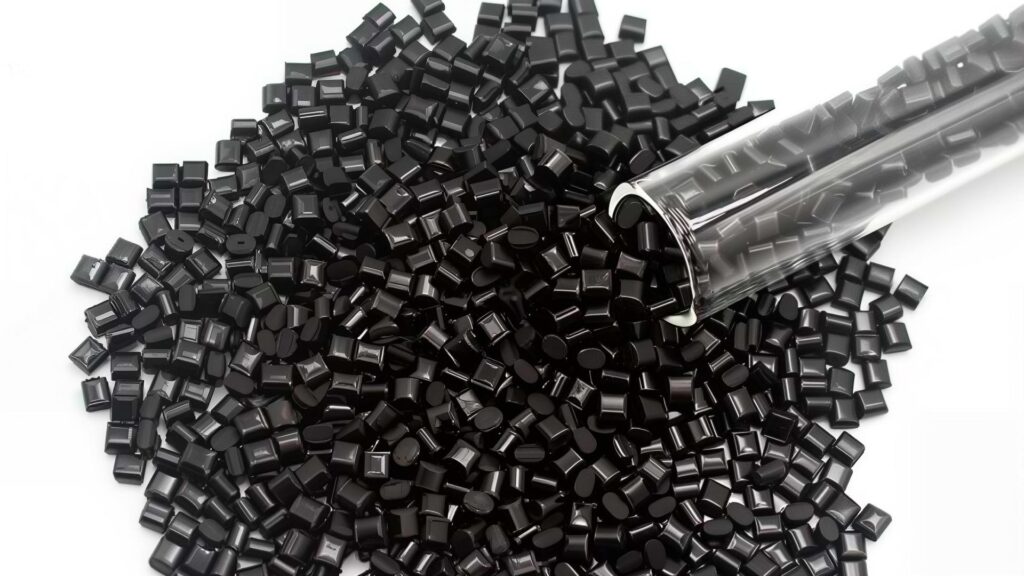
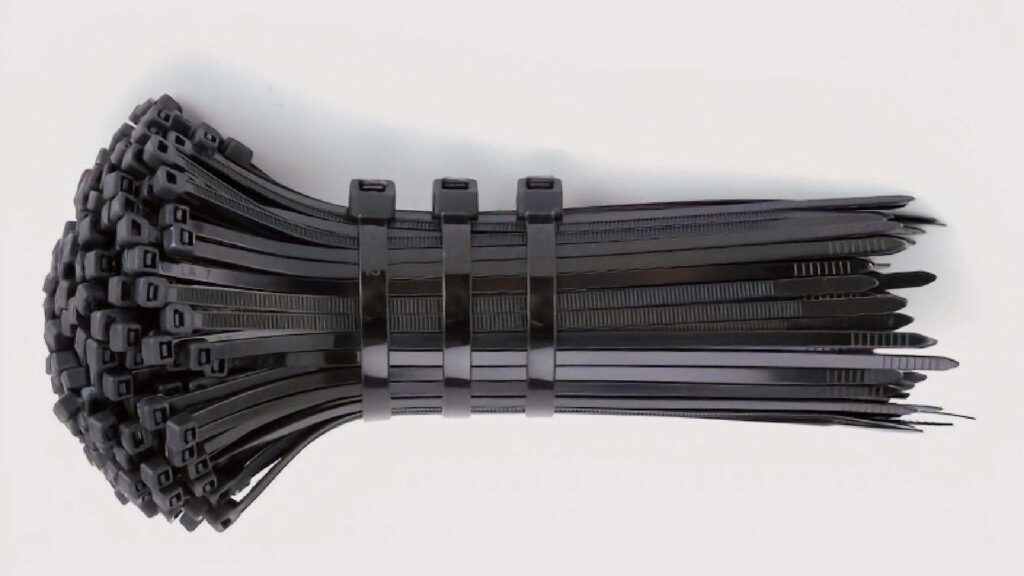
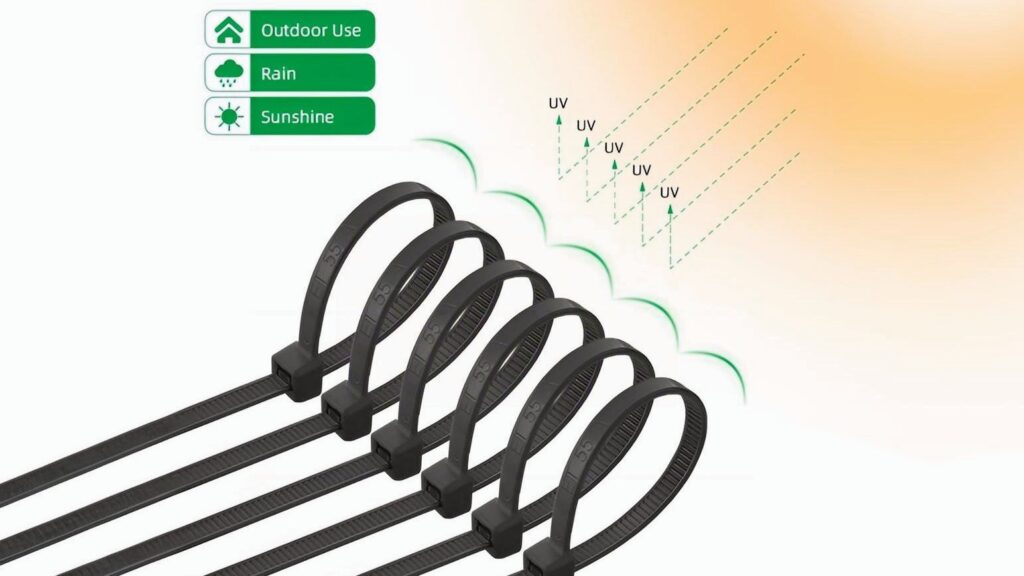
PA66 UV-Resistant Grade, also referred to as UV-stabilized Nylon 66, is a specialized material formulation developed to withstand prolonged exposure to sunlight, UV radiation, ozone, and outdoor weathering. Compared to standard PA66, UV-resistant grades maintain tensile strength and dimensional stability for a longer service life in outdoor and solar applications such as photovoltaic cable management, telecom installations, and construction wiring. This makes PA66 UV-Resistant Grade one of the dominant materials used in black outdoor cable ties and related fastening components across industrial and electrical sectors. How UV Stabilization Works PA66 is inherently strong, heat-resistant, and chemically stable, but standard unmodified nylon degrades under UV radiation due to polymer chain scission. Stabilization is typically achieved through: ✔ Carbon Black (CB) Loading — Carbon black absorbs UV radiation and prevents polymer degradation. Industrial black cable ties usually rely on this mechanism. ✔ UV Absorber Additives — For applications requiring lighter colors or specific performance, HALS (Hindered Amine Light Stabilizers) or UV absorbers may be used. The carbon black variant is considered the industry standard for long-term outdoor durability due to its stability and cost-efficiency. Performance Characteristics Key characteristics of PA66 UV-resistant grade include: • UV DurabilityMaintains structural and mechanical integrity under sunlight

PA66 Standard Grade
Blog
UHCCY

PA66 Standard Grade

What Is PA66 Standard Grade? PA66 (Polyamide 66), commonly referred to as Nylon 66, is one of the most widely used engineering thermoplastics in the world. It is a standard grade unmodified polymer known for its high mechanical strength, stability under heat, and chemical resistance, making it a benchmark material for demanding technical applications. In its basic form — Standard Grade PA66 — the resin contains no reinforcing fillers or performance-enhancing additives. This simple composition delivers a balanced set of properties ideal for general industrial use, including electrical components, automotive parts, and cable management solutions such as PA66 cable ties. Material Characteristics of PA66 Standard Grade Mechanical StrengthStandard grade PA66 exhibits high tensile strength and stiffness, essential for load-bearing applications where parts must resist deformation and creep under stress. Thermal PerformancePA66 has a relatively high melting point (~255–265 °C) compared to many other common engineering plastics, allowing it to perform reliably in elevated temperature environments. Chemical ResistanceIt resists oils, fuels, solvents, and many industrial chemicals, making it suitable for use in environments where exposure to harsh substances is expected. Environmental StabilityStandard PA66 has good dimensional stability when exposed to humidity and temperature cycles, although like most nylons, it can absorb

Functional Cable Tie
Blog
UHCCY

What Size Do Cable Ties Come In?

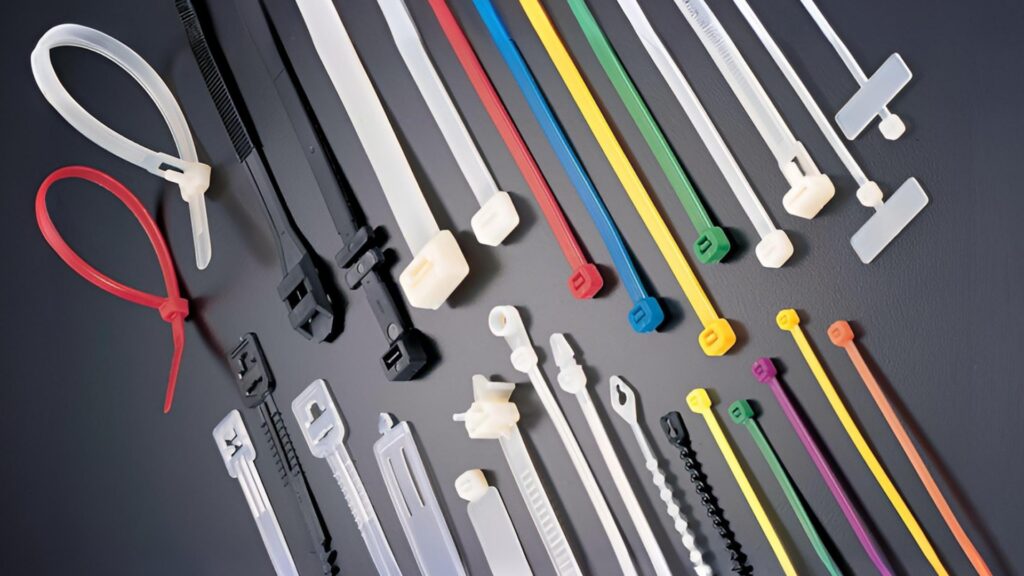
Lots of people don’t wonder how big or how small they can get a cable tie or cable tie–until they need one. Then, the size of these tools becomes very relevant. You sometimes need every scrap of a cable tie to get a job done and close the tie. When you have a skinny gap you need to get a cable tie through, or long cable ties to help your projects go the distance, UHElectric has you covered. Let’s jump right into some of the specifics of our catalog. What Are the Different Sizes of Cable Ties? You can think about the size of cable ties in terms of both length and width. A cable tie can be short and wide, long and thin, or many combinations in between. With that said, some sizes are in higher demand than others. Some lengths and widths will have dozens of options, while more specialized needs might have only six or seven varieties available. Cable Ties By Length On the UHElectric website, you can find a variety of cable ties ranging in length from 80mm to 1500mm. Click on the length you need in the list below to go to the product page for the corresponding size.

Nylon Cable Ties
Blog
UHCCY

Advantages and disadvantages of nylon cable ties and plastic ties

The difference between nylon cable ties and PVC ties is mainly in the following aspects. I. Anti-aging ability The difference between nylon ties and PVC ties lies in the different anti-aging abilities. The long-time use of PVC ties will lead to the aging of the surface, and the internal wire will be exposed and lacerate the object, which will lead to a certain danger, especially when used in electric wires and appliances, where there will be the danger of electrical conductivity. The nylon ties have good anti-aging ability and insulation performance, which can slow down the aging process of the ties and avoid accidents. II. Corrosiveness Since self-locking nylon ties are made of PA66 material, nylon ties have certain advantages in corrosion resistance, while PVC ties are easy to decay or weather with the passage of time due to their low corrosion resistance, bringing great impact to the bound objects. Nylon ties, on the other hand, have good corrosion resistance and can be used normally in domestic and industrial settings. III. Operability Traditional Pvc ties are tedious in actual operation, and it is difficult for workers to operate on the same scale, resulting in higher labor costs. The nylon ties,

Standard Nylon Cable Ties
Blog
UHCCY

How Much Weight Can a Cable Tie Hold?

Cable ties are widely used in industries ranging from electrical work to the food industry, automotive, and even household applications. While they may seem small and lightweight, their weight-holding capacity varies based on material, type, and size. Understanding the strength and load limits of different cable ties is essential for choosing the right type for your needs. Here, we’ll explore how strong cable ties are by differentiating the weight capacity of standard and heavy-duty cable ties, factors affecting their strength, and methods to test their durability. Understanding Cable Ties’ Weight Capability Standard Cable Ties Standard Cable ties are lightweight, flexible, and commonly used for bundling wires, organizing cables, and securing lightweight objects. They are typically made from nylon 6/6, which provides moderate tensile strength while maintaining durability. Heavy Duty Cable Ties  Heavy duty or industrial strength cable ties are designed for high-stress applications, providing significantly higher tensile strength and resistance to environmental factors. They are commonly used in automotive, aerospace, construction, and outdoor applications. Extra Heavy Duty Cable Ties Extra heavy duty cable ties are designed for the most demanding applications, providing exceptional tensile strength and durability. These ties are perfect for securing oversized bundles, heavy equipment, and critical installations in industrial, marine,

Use Metal Cable Ties
Blog
UHCCY

How to Use Metal Cable Ties

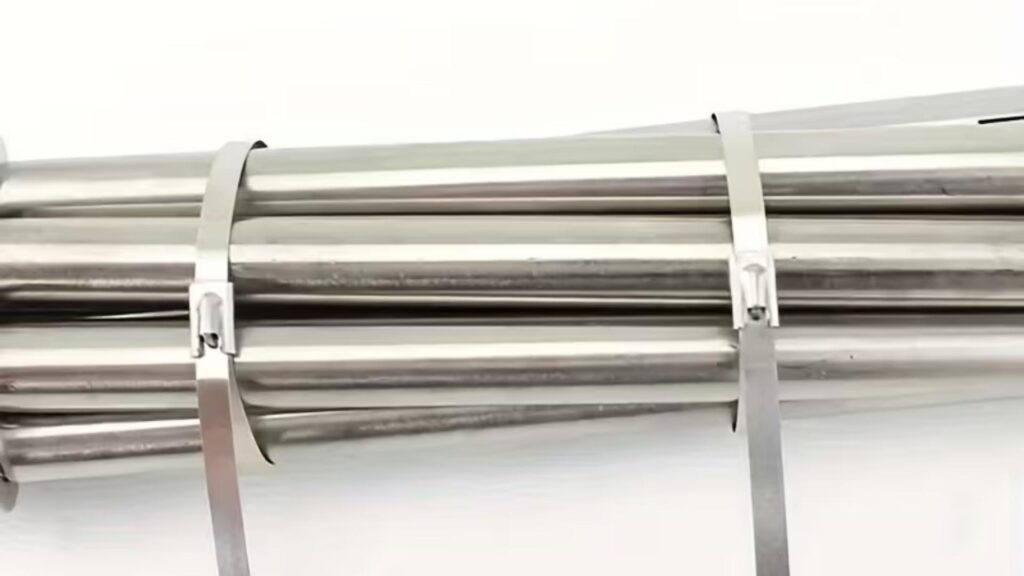
Use metal cable ties when strength, heat resistance, or durability is critical. Unlike nylon cable ties, metal cable ties—usually made from stainless steel—are designed for harsh environments such as high temperatures, vibration, outdoor exposure, and industrial settings. This guide explains how to install metal cable ties correctly, what tools to use, and how to avoid common mistakes that lead to cable damage or unsafe installations. What Are Metal Cable Ties Used For? Metal cable ties are commonly used in: Automotive and engine compartments Industrial machinery and equipment Solar and outdoor installations Marine and coastal environments High-temperature or high-vibration areas Their strength and resistance to UV, heat, and corrosion make them suitable where nylon ties fail. Tools Needed to Use Metal Cable Ties While metal cable ties can be tightened by hand, proper tools improve safety and consistency. Recommended tools: Stainless steel cable tie tensioning tool (best option) Side cutters or flush cutters (for removal only) Protective gloves (to avoid sharp edges) A tensioning tool applies even force and cuts excess tail cleanly, reducing sharp edges. Stainless steel cable tie tensioning tool Step-by-Step: How to Use Metal Cable Ties Step 1: Position the Cable Tie Wrap the metal cable tie around

Powered by WordPress

Get a quote / Reorder / Service

We usually respond in a few hours

Get Free Sample Now!

Free standard sample can be provided for your evaluation according to your requirements.