Insights & Articles

The Ultimate Guide to Choosing
the Right Cable Ties

Functional Cable Tie
Blog
UHCCY

How much does a custom cable tie cost?

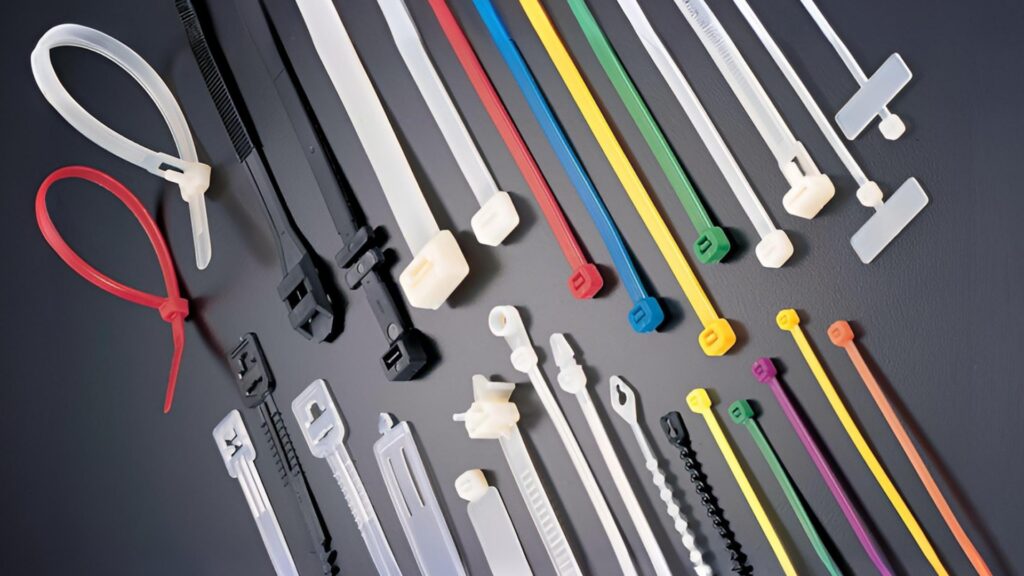
Custom cable tie cost? When buyers consider customized cable ties, the first question is always the same.Unlike standard ties, the price of a custom cable tie depends on several variables—material, moulding requirements, order quantity, colour type, printing methods, and quality standards. This article breaks everything down in a practical, procurement-friendly way, helping you understand the real structure behind custom cable tie cost before contacting any supplier. Why Custom Cable Ties Cost More Than Standard Ones Customizing cable ties—whether nylon or stainless steel—requires adjustments in either manufacturing, moulding, or post-processing. Even small customizations can influence price because: Cable ties are mass-produced with fixed moulds Any change in colour, length, width, or printing interrupts standard production Non-standard specifications typically require higher MOQs Set-up costs must be spread over quantity This means custom cable tie pricing is predictable once you understand each cost factor. Use Case Scenarios That Affect Pricing Branding & Identification Companies needing brand-coloured ties, serial numbers, QR codes, or company logos must include printing or pigment mixing costs. Industrial Safety Requirements Factories in electrical, construction, and HVAC industries may require flame-retardant, UV-resistant, metal-detectable, or high-temperature materials. Product Bundling Retail-ready packs, colour assortments, and custom packaging all add labour and material
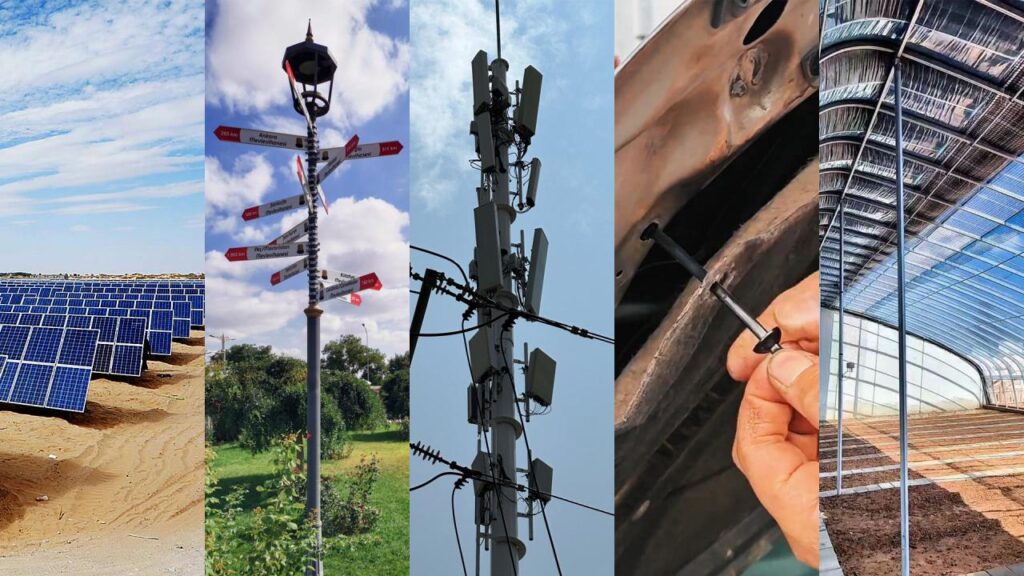
UV-resistant cable ties application scenarios
Blog
UHCCY

Cable Tie Applications: 5 Creative Uses You Should Know

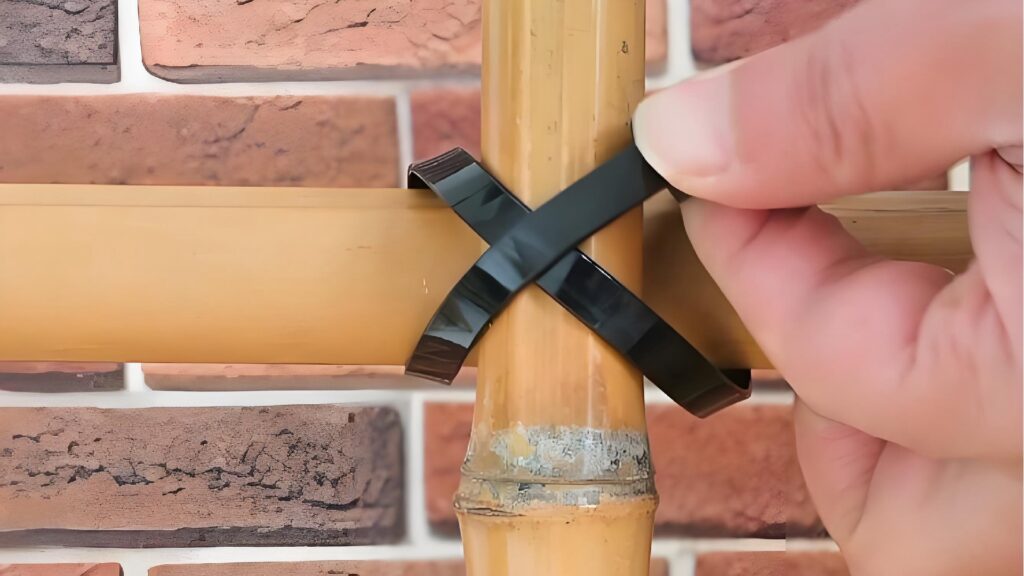
Cable tie applications extend far beyond basic cable bundling, and many users are surprised by how versatile these small tools can be. From quick emergency fixes to lightweight structural support, cable ties solve problems across home projects, industrial installations, and outdoor environments. In this article, we explore five creative and practical cable tie applications that show why these inexpensive fasteners deserve a place in every toolbox. A temporary repair tool that saves time in emergencies One of the most overlooked cable tie applications is emergency repair. In situations where a component fails suddenly, cable ties can act as rapid temporary restraints. For example, HVAC technicians sometimes use heat-stabilized cable ties to hold loose insulation in place until a permanent fix is made. Automotive users often rely on heavy-duty ties to secure hoses or wiring harnesses on the road. Even in construction, a broken latch on a tool box or a loose panel can be stabilized within seconds using nothing more than a properly rated tie. This isn’t about replacing proper repairs—it’s about preventing downtime. A $0.05 tie can sometimes buy you the crucial hours needed before a full repair can be completed. Lightweight structural support for installations Cable ties can

Metal cable ties vs nylon cable ties
Blog
UHCCY

Cable Ties: Which material fits your project?

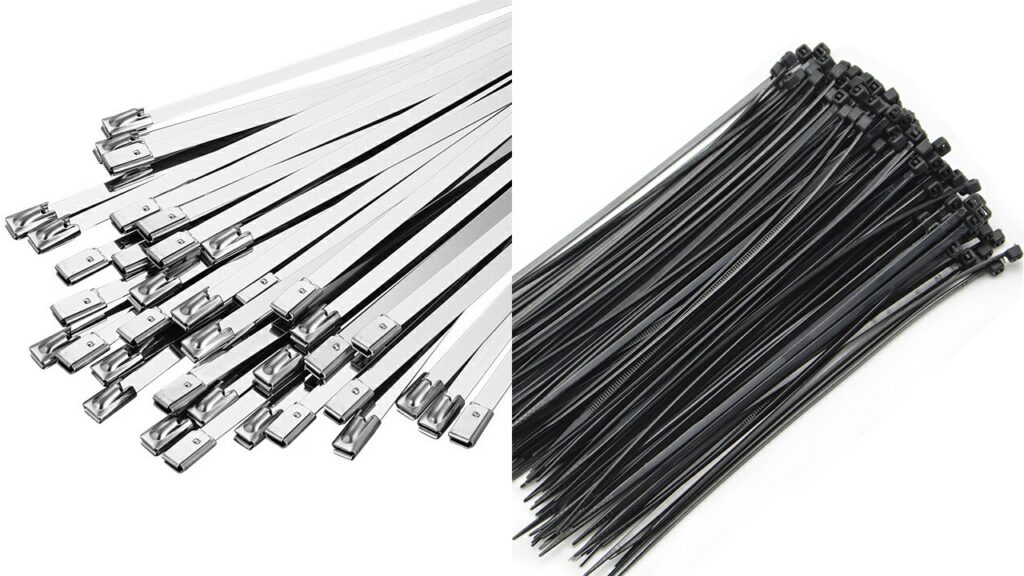
Choosing between metal cable ties and nylon cable ties is often treated as a small decision in a much larger project. But in practice, this choice determines installation lifespan, maintenance frequency, safety performance, and even compliance with industry standards. Many failures in outdoor electrical installations, solar arrays, automotive wiring, and industrial equipment can be traced back to the wrong cable tie material rather than the cable itself.This article summarizes the practical differences, buying considerations, and real engineering insights that manufacturers and installers use—but which most online guides fail to explain clearly. Understanding the Nature of Both Materials Metal cable ties and nylon cable ties share the same purpose—securing cables and components—but they behave completely differently in real environments. Nylon is a flexible, lightweight engineering plastic designed for indoor and general-purpose routing. Metal ties, usually made from 304 or 316 stainless steel, are built for tension, heat, chemicals, vibration, and environmental stress. What this means in practice is simple: nylon suits convenience; metal suits survival. But that oversimplifies the choice. The real decision depends on how long the installation must last, what it will endure, and how critical failure would be. How Environment Changes Performance Most installers think of cable ties

UV Resistant Cable Ties
Blog
UHCCY

UV Resistant Cable Ties: Why They Matter and How to Choose

Outdoor cable management faces challenges far beyond those found indoors. Heat, ultraviolet radiation, humidity, temperature fluctuation, and long-term weather exposure can quickly degrade standard nylon ties, leading to brittleness, cracking, and unexpected failure. UV resistant cable ties solve this issue by incorporating stabilizers and additives engineered to withstand sunlight’s damaging effects. These ties are widely used in solar PV installations, telecommunications towers, outdoor lighting systems, automotive wiring, agriculture, and industrial environments that demand long-term reliability. Although UV resistant cable ties may look similar to standard nylon ties, their performance and longevity differ dramatically. This guide consolidates widely accepted industry knowledge, expands on engineering data, summarizes global best practices, and includes additional insights based on real-world application. The goal is to help buyers choose safer, more durable, and more cost-effective UV resistant cable ties for any outdoor project. Understanding UV Resistance in Cable Ties Ultraviolet radiation degrades polymers through a process known as photodegradation. When exposed to sunlight, standard nylon 6/6 begins to lose flexibility, moisture balance, and structural integrity. Over time, this results in embrittlement—causing ties to snap with minimal force. Depending on the climate, standard nylon cable ties used outdoors may fail in as little as a few months.

Stainless Steel Cable Ties
Blog
UHCCY

Stainless Steel Cable Ties:Types, Applications, and How to Choose

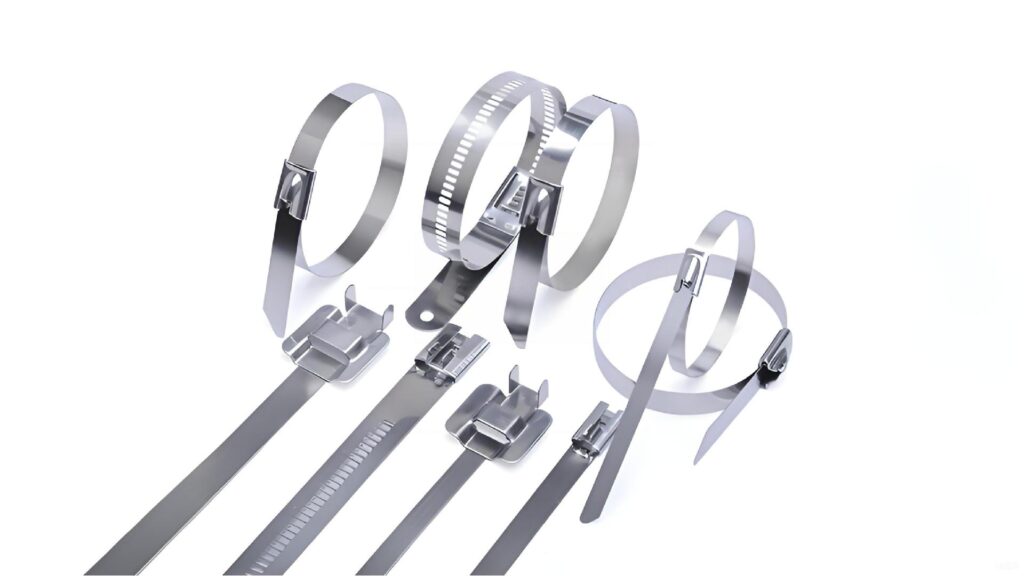
Stainless steel cable ties are essential components in industries where durability, temperature stability, and long-term reliability matter more than anything else. Unlike nylon cable ties, which are widely used in indoor or standard environments, stainless steel versions are specifically designed to withstand harsh weather, corrosive chemicals, UV exposure, and extreme heat. Because of this, they are widely adopted in electrical installations, solar photovoltaic systems, marine engineering, oil and gas facilities, transportation infrastructure, and heavy industrial projects. With many variations available—including different grades of stainless steel, multiple locking mechanisms, and multiple surface treatments—it can be difficult for buyers to determine which stainless steel cable tie is truly suitable for their specific environment. This guide consolidates the most important knowledge from the global market, combines industry standards with practical insights, and introduces additional perspectives to help you make a more confident and informed decision. Understanding Stainless Steel Grades: 304 vs. 316 Two major material grades dominate the market: 304 stainless steel and 316 stainless steel. Both offer strong tensile strength and corrosion resistance, but they perform differently in demanding conditions. 304 stainless steel is commonly used because it offers a strong balance between cost and performance. It resists oxidation, everyday chemicals, and

Cable Ties Supplier
Blog
UHCCY

How to Determine if a Cable Tie Supplier is Reliable?

Choosing the right cable tie supplier may seem simple at first—after all, cable ties are basic consumables, widely used in electrical work, construction, automotive wiring, industrial installations, and household projects. But in reality, selecting a reliable supplier is not just about finding the lowest price or the largest warehouse. A dependable supplier ensures consistent product quality, stable supply, accurate certifications, and trustworthy communication. These factors directly influence your business reputation, customer satisfaction, and the long-term stability of your supply chain. In this article, we will explore the key elements that help you determine whether a cable tie supplier is truly reliable. Rather than simply listing features, we will walk through real-world considerations based on industry experience, comparisons between different manufacturing regions, and practical checks that any buyer can perform. The goal is to help you avoid risks, reduce procurement errors, and ultimately choose a partner who supports your business for the long run. Start by Examining Their Product Quality Consistency Every reliable cable tie supplier should offer stable and predictable quality across all batches, not only in samples. High-quality cable ties have smooth surfaces, strong locking heads, and consistent dimensions. Even a small defect—such as rough edges or weak locking

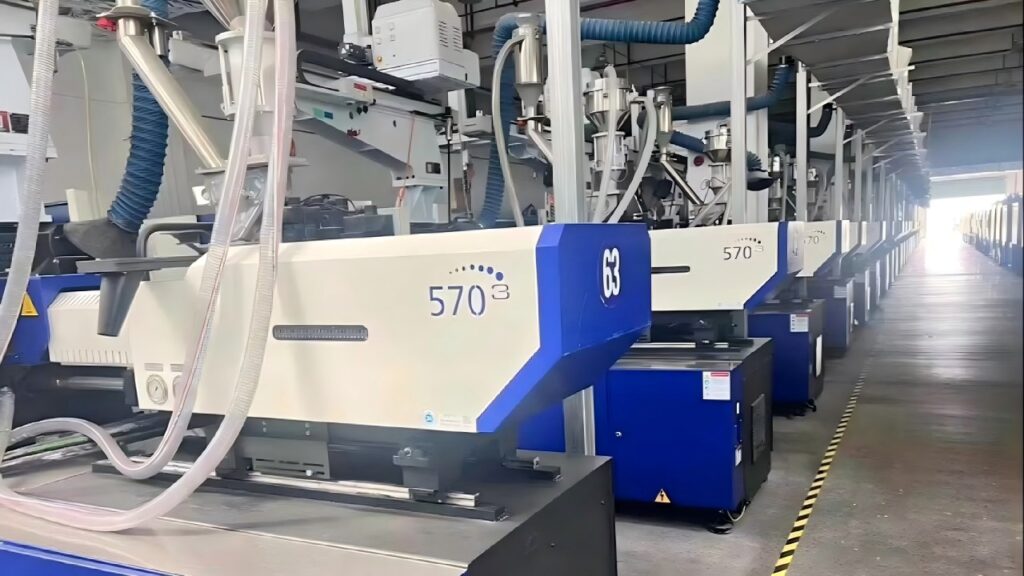
Chinese cable tie factory production line (injection molding machines)
Blog
UHCCY

Why Choose a Chinese Cable Tie Supplier?

Wholesalers, large corporations, and various global enterprises are increasingly choosing Chinese cable tie suppliers. Many wonder why. China boasts a massive cable tie production capacity, coupled with a mature supply of plastic and stainless steel materials, resulting in very low prices, especially for nylon cable ties. While other countries may offer similar prices, their quality and production capacity are less consistent. Choosing Chinese cable tie suppliers is the best solution for improving business efficiency and economics. Direct purchases from Chinese cable tie factories can even reduce prices to as low as $0.002 for small cable ties and $0.10 for long ones. This article will provide a detailed overview of Chinese cable tie suppliers, covering product quality, industry standards, manufacturing advantages, price advantages, factory capabilities, transportation methods, and comparisons with other countries. Why are Chinese cable tie manufacturers your best choice? To obtain the absolute lowest prices, purchase directly from Chinese cable tie manufacturers, whether for bulk purchases or custom orders. Send Inquiry Now Strong and Mature Supply Chain China’s cable tie industry was already quite established 20 years ago. A complete supply chain followed closely behind. From high-quality raw materials to mold design, these are all key factors affecting the

Powered by WordPress

Get a quote / Reorder / Service

We usually respond in a few hours

Get Free Sample Now!

Free standard sample can be provided for your evaluation according to your requirements.